Follow Beinsure
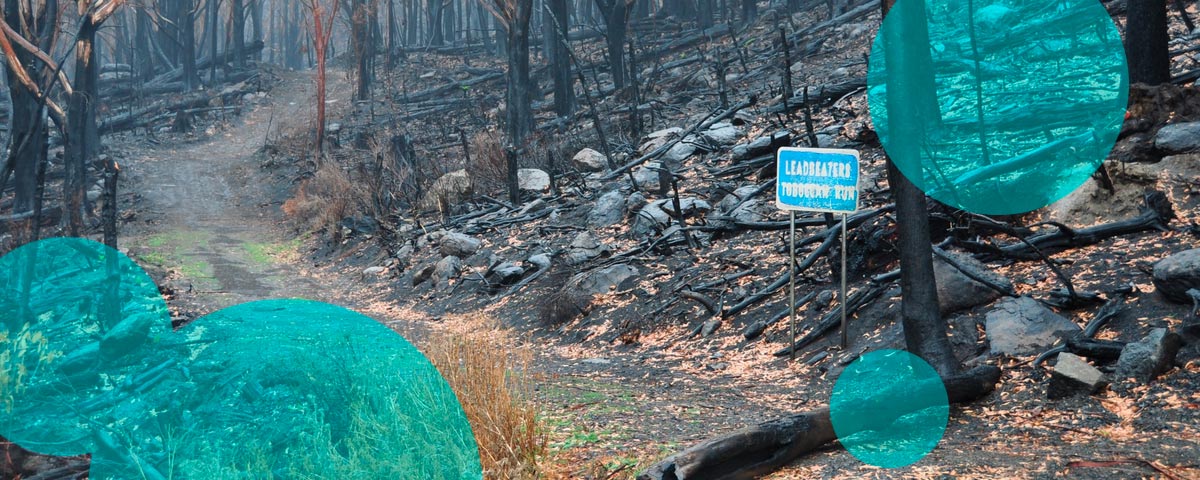
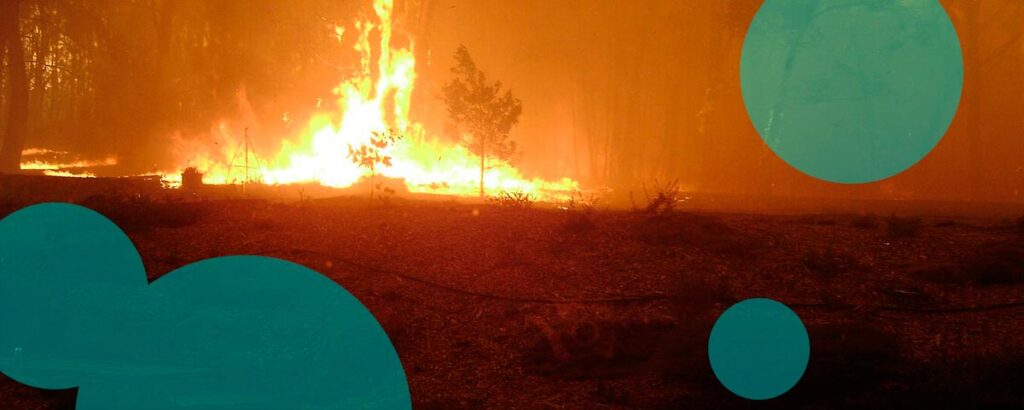
Insurers have received 1,386 claims from severe bushfires burning across Victoria since 7 January 2026, with 30% of property insurance claims classified as total losses, according to the Insurance Council of Australia.
On 12 January, the ICA declared the bushfires a Significant Event after fires burned across dozens of locations for several days, concentrated in Victoria and extending into parts of New South Wales.
The declaration activates the council’s preliminary catastrophe response, allowing insurers to coordinate data collection and assess the scale of insured losses.
By 11 January, about 350,000 hectares had burned across Victoria and roughly 300 properties were confirmed destroyed. Over the weekend, 30 fires remained active statewide, with 10 classed as fires of particular concern, according to state authorities.
Claims span residential property, commercial, motor, and business interruption lines, with insurers already processing lodgements.
Several insurers, alongside ICA representatives, have established a presence at the Castlemaine Recovery Centre to support residents navigating the claims process.
The ICA said insurers are monitoring access to affected communities and plan to deploy additional resources as conditions allow.
Policyholders are being encouraged to contact insurers and lodge claims even if they have not yet returned home or cannot fully assess damage.
Customers who have been impacted by the bushfires are encouraged to get in touch with their insurer to commence the claims process, even if they don’t yet know the full extent of the damage.
The ICA has the following tips for impacted residents:
- Safety is the priority – don’t do anything that puts anyone at risk. If you were directed to evacuate your property, only return to your property when emergency services give the go ahead.
- If your home is unsafe, notify your local authorities and check with your insurer about whether you can claim temporary housing expenses.
- Take photos or video of damage to your property and contents, including possessions, to support your claim.
- Speak to your insurer before undertaking any clean-up activities.
Kylie Macfarlane, deputy CEO of the ICA, said community safety remains the priority as some areas continue to face active fire threats. She said recovery will take time and insurers stand ready to support impacted communities through the process.
These bushfires remain an active emergency for some parts of Victoria, so community safety remains a priority. The road to recovery for impacted communities will be a long one and insurers stand ready to support communities in this process.
Kylie Macfarlane, deputy CEO of the ICA
“While claims continue to be lodged, I would encourage any policyholders who’ve been impacted to get in touch with their insurer to lodge a claim, even if they haven’t returned home and don’t yet know the full extent of the damage,” Kylie Macfarlane said.
Under the Significant Event declaration, the ICA has begun claims data analysis and reporting in consultation with member insurers.
The event could be escalated to an Insurance Catastrophe if claim numbers or complexity rise materially.
Liam Walter, the ICA’s director of mitigation and extreme weather response, said the declaration applies across all of Victoria, allowing statewide monitoring as the situation develops. He said it remains too early to estimate the total insured cost, but insurers are in close contact with emergency and response agencies.
Victoria’s Premier Jacinta Allan confirmed more than 350,000 hectares had burned and said one person had died as a result of the fires.
Individual insurers are starting to disclose early impacts. Suncorp said it had received about 60 home and motor claims from Victorian bushfires as of 12 January.
Suncorp CEO Steve Johnston said bushfire risk remains elevated across southern Australia, especially in Victoria, and that the group is monitoring conditions from its disaster management centre in Brisbane. He said satellite imagery is being used to assess damage before teams can safely access affected areas on the ground.