Figuring out health insurance enrollment in California requires understanding important timelines and options. For example, you need information about when you can sign up for Covered California and what your missed open enrollment health insurance California options are.
Covered California is the state’s official marketplace where residents compare plans, qualify for subsidies and enroll in coverage.
This guide breaks down the enrollment windows, exceptions and application steps to help you find the right healthcare protection.
5 Key Highlights
- Covered California open enrollment runs from November 1 through January 31, with coverage generally starting January 1 for enrollments completed by December 31 and February 1 for January enrollments.
- Californians who miss open enrollment may still qualify for a Special Enrollment Period after certain life events, typically within a 60-day window.
- Medi-Cal enrollment is available year-round for eligible California residents and can provide free or low-cost health coverage based on income and other eligibility requirements.
- Covered California offers HMO, PPO and EPO plan structures, with different trade-offs between provider flexibility, referrals, network restrictions and monthly premiums.
- Applicants can compare Bronze, Silver, Gold and Platinum coverage levels and may qualify for subsidies based on household size and income.
Navigating the California Health Insurance Marketplace
Covered California offers multiple plan types to match different healthcare needs and budgets. Understanding the distinctions between these options can help you choose coverage that aligns with your medical needs and financial situation.
The three main plan structures available are Health Maintenance Organizations (HMOs), Preferred Provider Organizations (PPOs) and Exclusive Provider Organizations (EPOs). With HMOs, you need to use in-network providers.
You’ll select a primary care doctor who coordinates your care and provides referrals to specialists. This structure typically offers lower monthly premiums in exchange for less flexibility.
PPOs give you more flexibility to see out-of-network providers at a higher cost and typically don’t require referrals before visiting specialists. EPOs restrict you to in-network care but usually don’t require referrals to see specialists within the network, offering a middle ground between HMOs and PPOs.
Each structure offers different trade-offs between cost and flexibility. You can explore types of health coverage such as PPOs, EPOs and HMOs to understand how each plan type works and what restrictions or freedoms you can expect from your coverage.
When Can You Sign up for Covered California?

According to Covered California, “Open enrollment is from Nov. 1 through Jan. 31.” This three-month window exists to prevent people from waiting until they need medical care to purchase insurance, which would destabilize the insurance system and drive up costs for everyone.
Your coverage start date depends on when you complete your application during the enrollment period. If you apply between November 1 and December 31, your coverage starts January 1 of the following year.
If you apply in January, your coverage starts February 1. Planning ahead ensures you don’t experience gaps in coverage or delays in accessing care when you need it.
You can find detailed enrollment timelines and start dates on the official Covered California marketplace portal. The system is designed to give you enough time to compare plans, review provider networks and make informed decisions about your healthcare coverage.
What to Do If You Missed the Open Enrollment Deadline
Missing the standard enrollment window doesn’t always mean you have to wait a full year for coverage. California offers several options for health insurance outside the regular enrollment period.
Qualifying Life Events for Special Enrollment
According to the Health Insurance Marketplace®, if you experience a major life change, “you usually have 60 days before or 60 days following the event to enroll in a plan. This exception ensures that people facing significant transitions can access healthcare coverage when their circumstances change.
Common qualifying life events include losing your job, getting married or divorced, having a baby or adopting a child, or moving to a new service area within California.
Each of these situations may affect your healthcare needs or your access to employer-sponsored insurance. The special enrollment period recognizes that these transitions create legitimate reasons to obtain coverage outside the standard window.
You can review the full list of missed open enrollment health insurance options in California to determine whether your situation qualifies. Documentation of your qualifying event is typically required when you submit your application. The 60-day window starts from the date of the qualifying event, so acting quickly helps ensure you don’t miss your opportunity.
Exploring Medi-Cal Eligibility
Medi-Cal enrollment operates differently from standard Covered California plans. You can apply for Medi-Cal at any time during the year if you meet the income and eligibility requirements.
The program provides free or low-cost coverage to California residents whose household income falls within certain thresholds.
When you apply through Covered California, the system automatically evaluates whether you qualify for Medi-Cal or for subsidies that reduce your premium costs. You can check if you qualify for savings based on your household size and annual income.
Year-round enrollment makes Medi-Cal an important safety net for Californians who lose income or experience financial hardship between standard enrollment periods. If your financial situation changes at any point during the year, you can submit a Medi-Cal application without waiting for the next open enrollment window.
How to Apply for Health Insurance in California
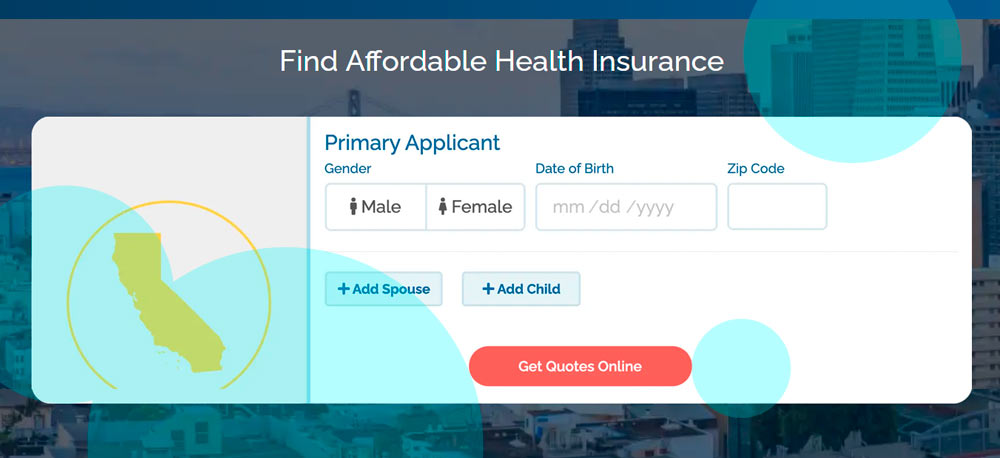
The application process for Covered California has become increasingly streamlined in recent years. You can complete the entire enrollment online or work with a licensed insurance agent who specializes in marketplace plans.
Licensed agencies can guide you through the application and help you compare your options side by side. “Insurance companies in the Marketplace include Blue Shield of California, Kaiser Permanente and more.
Benefit packages include Bronze 60, Silver 70 to 94, Gold 80 and Platinum 90 levels of coverage. These plans can be viewed in an apples-to-apples comparison,” according to experts at Health for California, a California Department of Insurance and Covered California-licensed broker that helps residents find insurance. Residents can complete a 5-10-minute application to enroll.
You can request a free health insurance quote online through their website. The application asks for information about your household size, income, current coverage and any qualifying life events. Have recent pay stubs or tax returns available to verify your income, as this determines whether you qualify for subsidies.
The system calculates your estimated tax credits in real time, showing you what your actual monthly premium would be after financial assistance (see US Health Insurance Market Trends: Rates, Price and Coverage).
Working with a licensed broker doesn’t cost you anything extra. These professionals are compensated by the insurance carriers, not by you, and they can answer questions about how to apply for health insurance in California while helping you understand plan differences like deductibles, copays and provider networks.
Securing Your Healthcare Coverage
Understanding when you can sign up for Covered California and what options exist if you miss the deadline puts you in control of your healthcare decisions. The standard November 1 to January 31 enrollment period serves most California residents, while special enrollment periods and year-round Medi-Cal access provide alternatives when life circumstances change (see U.S. Employers Health Care Insurance Costs).
Start by gathering your household income information and identifying your healthcare priorities. Whether you need frequent specialist care, prescription drug coverage or simply want protection against major medical expenses, comparing plans during the enrollment window gives you time to make the right choice.
If you’re ready to explore your coverage options and learn how to apply for health insurance in California, licensed brokers and the Covered California website offer resources to guide you through each step of the enrollment process.
FAQs
According to Covered California, open enrollment runs from November 1 through January 31. Applications completed between November 1 and December 31 generally result in coverage beginning January 1, while January enrollments generally start February 1.
You may still be able to enroll if you experience a qualifying life event that makes you eligible for a Special Enrollment Period. Medi-Cal is another potential option because eligible residents can apply throughout the year.
Examples include losing job-based health coverage, getting married or divorced, having or adopting a child, and moving to a new service area. Documentation of the qualifying event may be required.
The article states that you usually have 60 days before or 60 days after a qualifying event to enroll, depending on the circumstances. Acting quickly can help prevent a gap in health coverage.
Yes. Unlike standard Covered California marketplace enrollment, Medi-Cal accepts applications year-round for California residents who meet its income and eligibility requirements.
HMOs generally require in-network care, a primary care physician and referrals for specialists. PPOs provide greater flexibility, including some out-of-network coverage, while EPOs generally require in-network care but typically don’t require specialist referrals.
You can apply online or work with a licensed insurance agent or broker. You’ll generally need information about household size, income, existing coverage and qualifying life events. The application can also determine whether you qualify for Medi-Cal or financial assistance that reduces your premiums.
……………
AUTHOR: Yana Keller — Lead Insurance Editor at Beinsure