- Insurers expected to increase premiums and restrict climate risk coverage
- Climate-related insurance gaps could threaten mortgage markets
- Climate risks threaten coastal communities, agriculture and tourism
- Insurance catastrophe models face commercial pressure
- Short-term financial incentives could expose insurers and investors
A group of senior UK and European insurance and reinsurance professionals has warned that escalating climate-related losses could undermine property insurance availability, destabilise mortgage markets and create systemic financial risks comparable to those that contributed to the global financial crisis.
In a memorandum titled “Sounding the Alarm“, Inside Track x (Re)Insurance argues that the industry’s current approach to managing physical climate risks could leave growing numbers of households and businesses without affordable coverage.
The group, comprising current and former senior executives from leading non-life insurers, reinsurers and insurance brokers, says the frequency, severity and unpredictability of climate-related hazards are increasing alongside the exposure and vulnerability of communities and economic sectors.
Key highlights
- Senior insurance and reinsurance professionals warn that escalating climate risks could make properties uninsurable, undermine mortgage markets and create conditions resembling the 2008 financial crisis.
- Insurers are expected to respond to rising catastrophe exposures by increasing premiums, restricting coverage and withdrawing from high-risk regions, transferring more losses to households, businesses and governments.
- The industry faces criticism over inadequate catastrophe modelling, short-term financial incentives and insufficient attention to systemic risks that could threaten insurers, investors and pension funds.
Although these measures protect insurers’ financial positions in the short term, the memorandum warns that they could transfer substantial losses to property owners, governments, taxpayers and financial institutions.
The executives argue that governments have not adequately understood or incorporated the implications of these developments into economic and financial policy.
Without intervention, they warn, rising numbers of uninsured properties could create risks extending well beyond the insurance industry, particularly because mortgage lending depends on the availability of property insurance.
The memorandum compares the potential consequences with the deterioration of mortgage market conditions that contributed to the 2008 global financial crisis. RiskScan reveals how cyber, climate, AI, inflation and business interruption are converging to reshape insurance priorities and risk management.
Insurers expected to increase premiums and restrict climate risk coverage
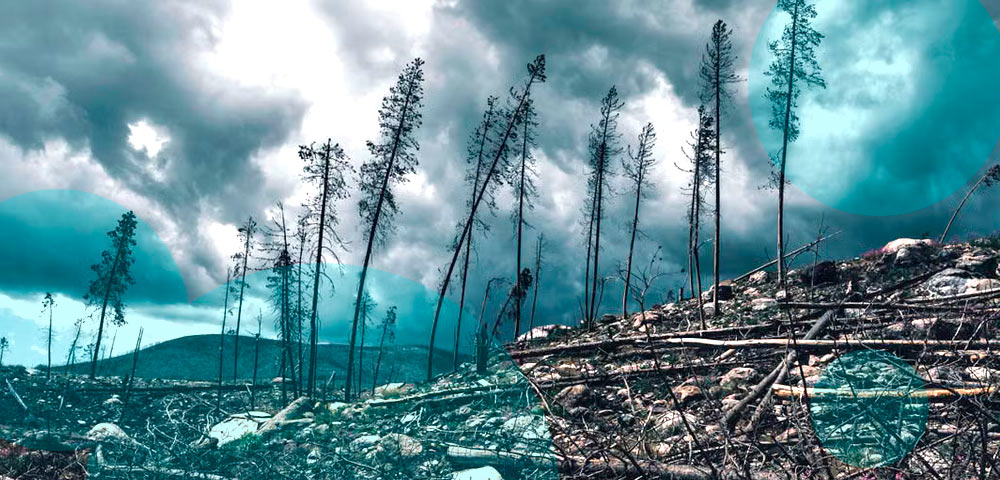
Inside Track identifies three principal ways insurers are managing increasing exposure to natural catastrophes and environmental risks: repricing policies, restricting coverage and withdrawing entirely from certain markets.
These responses are commercially rational because insurers must maintain sufficient premium income to cover expected claims and preserve their ability to meet policyholder obligations.
As physical risks increase, insurers are expected to raise premiums to reflect both higher anticipated losses and greater uncertainty about future events.
The memorandum warns that these price increases will disproportionately affect lower-income households, including communities already struggling to afford insurance.
Higher insurance costs are also expected to affect economically important sectors such as agriculture and shipping, increasing operating expenses and potentially creating additional financial obligations for governments and taxpayers.
The second response involves reducing the scope of insurance protection.
Insurers may exclude increasingly hazardous or difficult-to-predict exposures, including wildfire risks, from property policies.
Because many insurance contracts are renegotiated annually, companies can modify exclusions and policy conditions at renewal without fundamentally changing their operating models.
Policyholders may not fully understand how these adjustments reduce their protection against potentially catastrophic losses.
The third approach is complete withdrawal from locations or economic sectors where insurers cannot establish a sustainable balance between premiums and expected claims, or where sufficient risk reduction measures are unavailable.
Coastal communities, mountainous regions and flood-prone areas are among those considered particularly exposed to such decisions.
How insurers respond to increasing climate risks
| Insurance strategy | How it works | Potential consequences |
|---|---|---|
| Premium repricing | Insurers increase premiums to reflect higher expected catastrophe losses and uncertainty. | Reduced affordability, particularly for lower-income households and high-risk businesses. |
| Coverage restrictions | Policies exclude or limit exposure to wildfire, flooding and other difficult-to-predict risks. | Larger uninsured losses and reduced financial protection for policyholders. |
| Market withdrawal | Insurers stop providing coverage where premiums cannot adequately compensate for expected losses. | Properties and businesses may become uninsurable, increasing financial pressure on governments. |
| Annual policy adjustments | Insurers revise pricing, exclusions and conditions during renewal cycles. | Coverage can deteriorate over time without policyholders fully recognising the change. |
Farming communities could also lose access to coverage despite their importance to broader agricultural supply chains. The memorandum states that these changes are already occurring and are likely to accelerate as physical climate risks intensify.
The result, according to the group, will be a widening insurance protection gap, with a larger share of disaster-related losses falling outside the insurance system.
The executives stress that these decisions do not necessarily reflect misconduct or malicious intentions by insurers. Rather, they arise from commercial, fiduciary and regulatory incentives that encourage companies to limit exposure and protect profitability.
Maintaining adequate financial resources to pay claims remains an essential responsibility of insurers. The concern is that decisions which are rational for individual companies may collectively increase economic vulnerability.
Climate-related insurance gaps could threaten mortgage markets
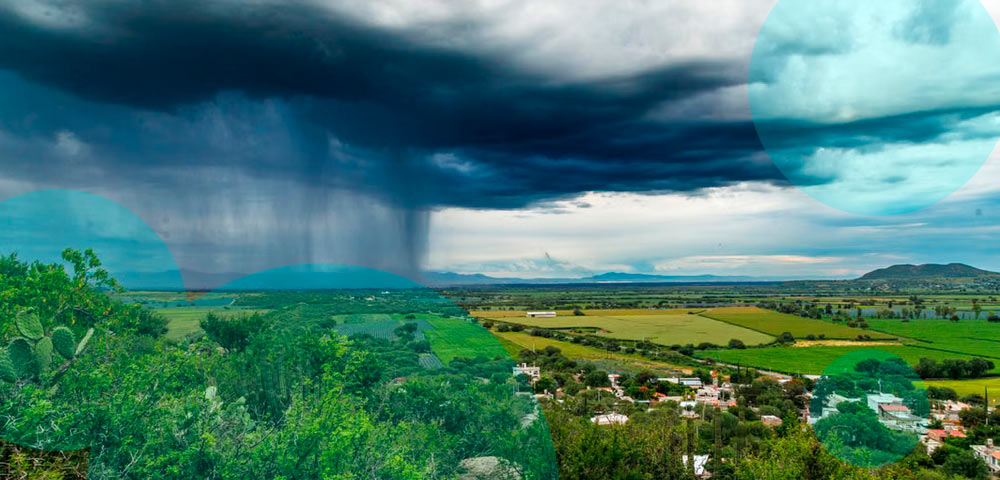
The memorandum identifies the relationship between property insurance and mortgage lending as a particular source of systemic financial risk.
Mortgage providers generally require property insurance to manage their exposure to physical damage affecting assets used as loan collateral.
If insurers substantially increase premiums, restrict protection or withdraw from vulnerable property markets, the consequences could extend to the availability and affordability of mortgage financing.
Widespread losses of insurance coverage across residential and commercial properties could generate economic instability.
The group draws a comparison with the subprime mortgage crisis, which contributed to the collapse of confidence in financial markets during the global financial crisis. Its concern is that climate-related insurance restrictions could undermine the functioning of property and credit markets in ways that extend beyond individual households or businesses.
Climate-related insurance risks across economic sectors
| Sector or community | Main climate-related exposure | Insurance and economic implications |
|---|---|---|
| Coastal communities | Flooding, coastal hazards and multiple natural perils | Higher premiums, reduced insurance availability and potential property financing difficulties. |
| Mountain communities | Multiple physical hazards and increasing catastrophe exposure | Coverage restrictions and withdrawal from particularly exposed locations. |
| Flood-prone properties | Increasing flood losses and uncertainty | Higher property insurance costs and potential mortgage market disruption. |
| Wildfire-exposed regions | Increasing wildfire risk | Wildfire exclusions, premium increases or loss of coverage. |
| Agriculture | Physical damage affecting farms and agricultural supply chains | Higher operating costs, reduced insurance access and potential pressure on food prices. |
| Tourism | Dependence on environmental conditions and vulnerable destinations | Higher insurance costs and increased business risk. |
| Shipping | Environmental hazards affecting operations | Increased insurance expenses and potential pressure on commercial costs. |
| Low-income households | Limited capacity to absorb premium increases | Greater exposure to uninsured financial losses. |
The economic consequences could begin before insurers withdraw coverage completely.
Higher insurance premiums for property, food production, tourism and other essential industries could increase operating costs and contribute to inflation.
Those additional expenses could worsen existing cost-of-living pressures and create broader financial burdens for consumers.
Governments could also face greater exposure as uninsured households and businesses seek assistance following catastrophic events.
The financial consequences cannot be assessed solely through the direct cost of individual disasters or the number of people losing coverage.
Insurance availability affects property ownership, lending conditions, business operations and the distribution of financial risks across society.
The executives argue that governments and regulators must recognise the scale of the protection gap emerging from insurers’ assessment of future physical hazards.
They maintain that some projected damage cannot reasonably be absorbed by private insurers and that expecting the industry to cover all such losses would be financially unrealistic.
Climate risks threaten coastal communities, agriculture and tourism
Inside Track says catastrophe models used within the insurance industry indicate that current greenhouse gas emissions trajectories could cause severe damage to many existing policyholders.
The group identifies several categories of communities and industries facing particularly substantial exposure.
Coastal and mountainous regions may encounter multiple natural hazards, while locations susceptible to flooding, wildfire and subsidence face increasing physical risks.
Communities already experiencing difficulties obtaining affordable insurance are especially vulnerable because further premium increases or coverage restrictions could leave them without adequate protection.
Although farming accounts for a relatively small share of the overall insurance market, the consequences of reduced coverage could affect agricultural production and supply chains on which wider populations depend.
Nature-dependent industries, including tourism and shipping, are also exposed to environmental changes and rising insurance costs.
These developments could affect Europe, North America, Japan and other regions where insurance penetration is currently high.
The executives argue that the geographical distribution of risk will become increasingly important as insurers reassess which properties, activities and communities remain commercially insurable. They also distinguish between the immediate and longer-term implications of climate change.
Some increases in physical risk are already occurring, while further deterioration over the short term is considered unavoidable.
The eventual scale of longer-term losses, however, will depend significantly on current and future greenhouse gas emissions.
Inside Track warns that the consequences could become considerably more severe if climatic tipping points are reached.
Insurance catastrophe models face commercial pressure
Beyond the risks confronting policyholders, the memorandum raises concerns about how insurers measure and communicate their own exposures.
Inside Track alleges that some natural catastrophe modellers and actuaries face pressure to reduce projected losses or moderate estimates of future climate-related damage.
According to the group, professionals at certain firms have been asked to apply a “haircut” to projections or “manage down the numbers” to avoid creating concern and jeopardising commercial transactions.
Commercial considerations can influence modelling adjustments, particularly when higher estimates of physical risk could reduce profitability or market share.
How insurance protection gaps can create systemic financial risks
| Risk transmission channel | Initial development | Potential wider impact |
|---|---|---|
| Property insurance | Insurers restrict or withdraw residential and commercial coverage. | Mortgage availability may deteriorate where insurance is required for lending. |
| Mortgage markets | More properties become difficult or impossible to insure. | Increased risks to property financing and financial stability. |
| Inflation | Insurance costs rise across property, agriculture, shipping and tourism. | Higher operating expenses may contribute to consumer price inflation. |
| Public finances | Households and businesses face larger uninsured catastrophe losses. | Greater potential demand for government assistance and taxpayer-funded recovery. |
| Insurance investments | Climate-related damage affects businesses and financial assets. | Potential investment losses and pressure on insurers’ financial performance. |
| Pension funds | Long-term investors remain exposed to insurers facing increasing physical risks. | Potential deterioration in investment value over periods extending beyond 5-10 years. |
| Financial system | Climate losses affect property markets, lenders, insurers and economic activity simultaneously. | Greater systemic risk, including the possibility of financial instability. |
Many insurers possess world-leading analytical expertise, but others continue to rely on inadequate or outdated natural catastrophe models.
The industry also depends collectively on a relatively small number of underlying base-case models. Developing sophisticated proprietary models is expensive, while obtaining reliable external data can involve considerable costs.
Consequently, some insurers may lack the capabilities required to assess complex scenarios or measure aggregate exposures across their businesses.
Even companies with advanced modelling systems may fail to capture risks that extend beyond the organisational and analytical categories used in conventional insurance operations.
Short-term financial incentives could expose insurers and investors
The executives argue that existing commercial incentives encourage insurers to manage the timing of their exposure rather than address the longer-term causes of increasing losses.
Companies adjust coverage and pricing as risks become more apparent, attempting to withdraw before claims become financially unsustainable.
Inside Track questions whether insurers can reliably execute such a strategy in a climate characterised by increasing uncertainty and less predictable catastrophic events. If companies misjudge the timing or severity of losses, they could face substantial financial consequences before successfully reducing their exposures.
This possibility should concern shareholders and institutional investors, particularly those assessing insurers over longer investment horizons.
Pension funds are specifically identified as institutions that should examine their exposure to insurance companies when managing assets intended to provide benefits more than five or ten years into the future.
Insurers may be protecting near-term financial results at the expense of sustainable shareholder value. It also criticises executive remuneration structures that increasingly reward short-term share price performance and corporate valuations rather than long-term financial resilience.
According to Inside Track, insurers’ models indicate that physical and financial risks are likely to increase over time, yet business planning often fails to assess sufficiently what these developments mean for operating models over the medium term.
The executives argue that this disconnect leaves investors exposed to potential losses that may not be adequately reflected in corporate strategies. They also highlight the influence of fiduciary duties, regulatory requirements and commercial pressures, which can encourage decisions that are financially defensible in the short term but potentially damaging over longer periods.
Key weaknesses in insurance climate risk management
| Industry issue | Concern identified by Inside Track | Potential implication |
|---|---|---|
| Catastrophe modelling | Some insurers rely on outdated models or a limited number of common base-case models. | Physical risks and aggregated exposures may be inadequately assessed. |
| Commercial influence | Some actuaries and catastrophe modellers reportedly face pressure to reduce projected losses. | Risk estimates may be influenced by profitability or competitive considerations. |
| Short-term incentives | Executive compensation increasingly emphasises share prices and company valuations. | Long-term climate exposure may receive insufficient attention. |
| Concentration risk | Risk management frequently operates within organisational silos. | Interconnected exposures may be underestimated. |
| Risk communication | Governments and policyholders may not fully understand future coverage limitations. | Inadequate preparation for increasing uninsured losses. |
| Market exit strategies | Insurers focus on adjusting or withdrawing coverage before losses intensify. | Companies remain vulnerable if the timing or severity of catastrophe losses is misjudged. |
| Long-term planning | Business strategies do not always assess the medium-term consequences identified by catastrophe models. | Investors may face material risks that are insufficiently reflected in corporate plans. |
Insurers cannot assume they will remain insulated from the wider economic consequences of climate-related disruption. Even when companies successfully reduce underwriting exposures, they could still face indirect losses through their investments and broader financial market relationships.
The group identifies related systemic risks in life and health insurance, where extreme weather could increase pressure on insurers, although these sectors are not the principal focus of the memorandum.
Investment portfolios represent another potential source of exposure as physical climate hazards affect economic activity and asset values.
The insurance industry’s financial interests are therefore closely connected to the stability of the wider economy, even when individual insurers reduce their direct exposure to physical damage.
…………………
AUTHOR: Nataly Kramer – Lead Insurance Editor at Beinsure