Follow Beinsure
Natural disaster risk is becoming more frequent, more local and harder for households and businesses to treat as a distant exposure. Munich Re Specialty’s latest RiskScan shows a shift in how people assess catastrophe risk.
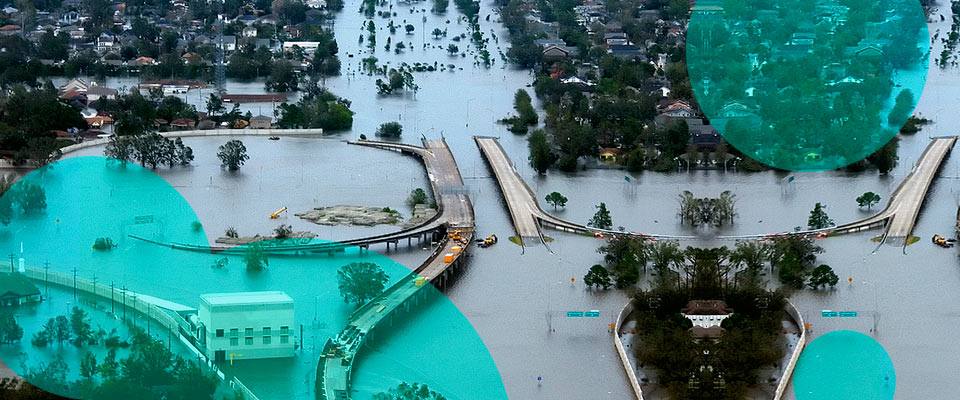
Across the global market, respondents ranked flood as the top natural disaster concern at 47%. Winter storms followed at 39%, with thunderstorms at 38%. Excess rainfall reached 36%, ahead of earthquake at 26%.
Flood and severe storm events consistently rank near the top across respondent groups. According to RiskScan data, lived experience is shaping risk perception more than distant catastrophe scenarios.
Repeated moderate-severity events, especially those tied to local weather, now carry more influence than low-frequency disasters with larger single-event losses.
P&C industry needs stronger risk readiness across each stage of the value chain. She said insurers have a role beyond claims payment, working with communities to anticipate natural disasters, adapt to changing exposures and strengthen defenses.
The shift matters because frequent localized disasters change the economics of catastrophe risk. Repeated storms strain household budgets. Local flooding disrupts operations and supply chains. Secondary perils put pressure on traditional modeling and pricing frameworks.
The cumulative cost of these events has become a major driver of insured losses. It isn’t only the large catastrophe event that moves the market anymore. Smaller, recurring events now add up fast, and insurers have to price that accumulation with more precision.
Organizations that understand these patterns will improve preparedness, reduce exposure and manage catastrophe costs with more discipline in a climate environment where volatility has become standard operating reality.