Modern pricing engines are reshaping how insurers think about deployment. What once felt like a heavy IT burden is turning into a strategic capability, as cloud-native design replaces brittle architecture, opaque costs, and slow delivery cycles, according to Akur8.
For years, legacy pricing platforms blocked progress. Launching a new model often required complex middleware, painful capacity planning, and long testing cycles before anything reached production. Business teams pushed for speed.
IT teams pushed back, boxed in by systems that weren’t built for frequent change. Infrastructure, not strategy, set the pace.
The pivot starts with integration. An API-first approach strips away much of the historical friction. RESTful APIs, standard JSON formats, and OpenAPI 3.x compatibility let developers use familiar tools instead of wrestling with proprietary frameworks.
Stateless design supports clean scalability, while self-documenting APIs cut down integration errors before they spread.
The effect on timelines is stark. Business teams can validate and test pricing changes on their own, without waiting on long IT handoffs. Deployments that once took months now land in days.
Versioned APIs mean updates arrive without breaking what already works.
Scaling, long a quiet cost drain, changes too. Insurers traditionally overbuilt infrastructure to survive renewal peaks, regulatory shifts, or marketing spikes. Most of that capacity sat idle, burning money. Cloud-native pricing engines respond differently.
Elastic scaling expands or contracts instantly with demand, whether usage jumps ten times or a thousand. Fixed, predictable pricing replaces guesswork, giving IT leaders clearer financial control.
Security still matters. A lot. Modern deployment models reduce the operational grind without lowering standards.
Cloud-native engines can meet enterprise benchmarks such as SOC2 Type II and ISO 27001, with AES-256 encryption, TLS, role-based access controls, and MFA baked in. Configuration happens through a web interface. No servers to patch. No data centers to certify. Compliance stays intact with far less effort.
Operations smooth out further through automated updates and zero-downtime releases. Continuous delivery pushes new versions without maintenance windows.
Built-in version tracking keeps every model and deployment visible. Availability targets around 99.95% are common. IT teams stop firefighting and start planning.
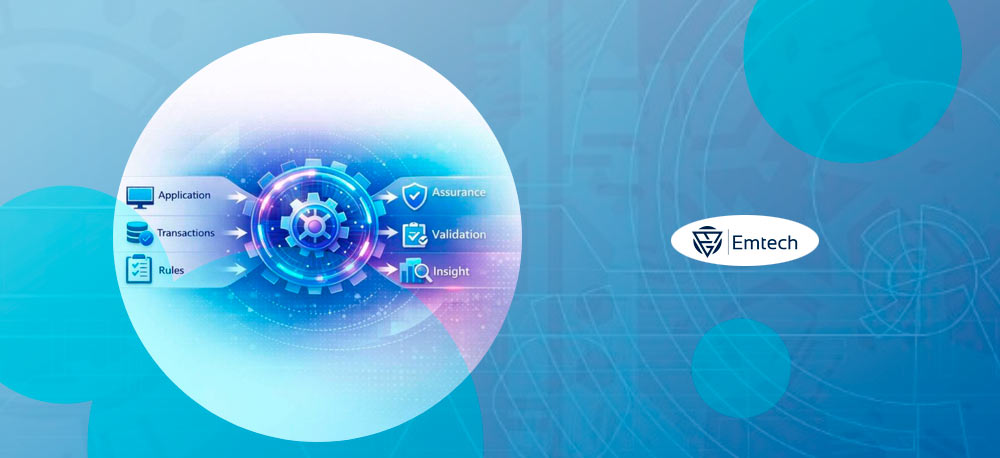
The bigger shift shows up when deployment, modelling, and ratemaking come together.
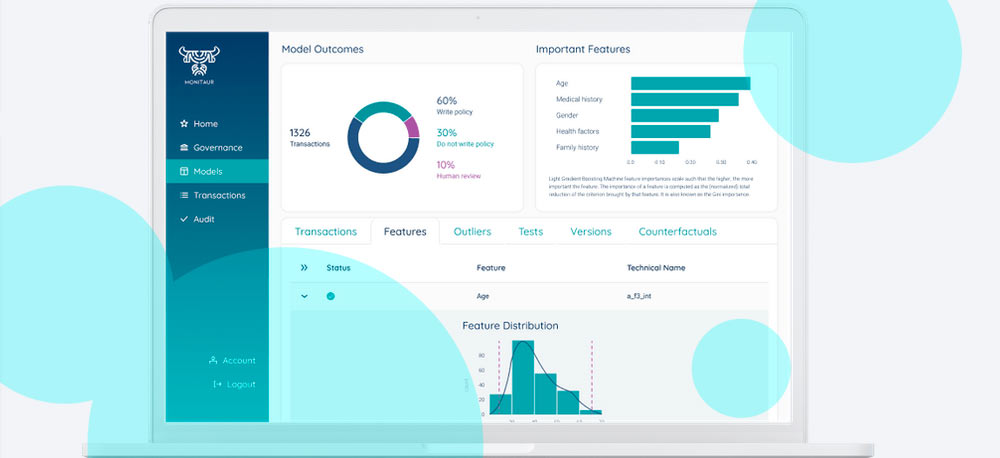
An end-to-end pricing environment lets actuaries and data scientists build models in the same system business teams use to run scenarios and adjust rates.
IT moves changes to production with a single action. No handoffs. No silos. Ideas flow straight from modelling into live execution.
That changes how IT is seen. Instead of acting as a bottleneck, it becomes an engine for delivery. CIOs get predictable spend and lower risk.
Developers work with open standards and flexible tooling. Business teams move faster, adjust rates quickly, and scale without limits.
Pricing agility stops being a buzzword. It turns into something insurers can actually use.