EIS is making a blunt promise with its new release: speed up transformation inside insurance operations without dragging through the usual cost and risk.
The company announced OneSuite powered by CoreGentic, an expanded version of its flagship platform that embeds AI directly into the system instead of tacking it on as an afterthought.
Insurers face relentless pressure to dump legacy cores, trim expenses, and keep customers from bolting for more nimble providers.
According to our analysts, traditional systems force every change through heavy IT lifts that take months. EIS wants to collapse that cycle to days.
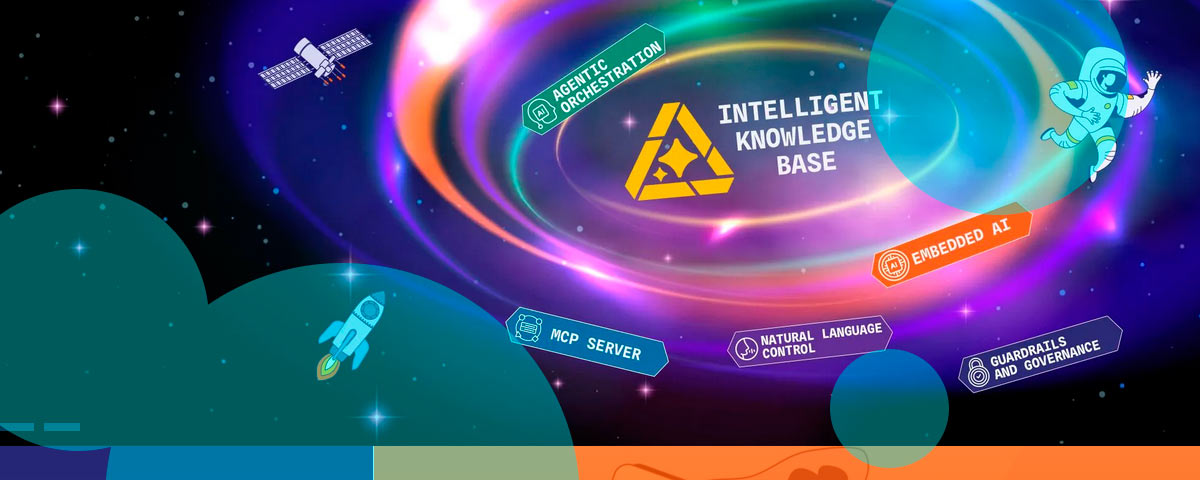
CoreGentic threads natural-language controls, agentic orchestration, and built-in AI across the insurance lifecycle. Tasks that used to demand endless developer hours – rule changes, product launches, workflow adjustments – can now be triggered by business teams themselves.
AI agents coordinate processes in real time, cutting reliance on technical bottlenecks.
The architecture rides on the EIS Knowledge Base, a domain-specific model designed to keep actions compliant and context aware. That setup matters because insurers can’t afford a slip in regulatory guardrails.

With Knowledge Base in the mix, teams move fast but remain inside safe boundaries, a balance that’s been tough to hit until now.
EIS has long pitched its platform as open, modular, and cloud-native. Carriers already use it to manage policies, roll out new products, and choreograph complex workflows.
By plugging CoreGentic into the core, EIS turns OneSuite into a knowledge-driven system where AI is active, not ornamental.
Event-driven design means insurers can adapt quickly to market shifts, something legacy vendors have failed to deliver despite retrofitting AI features on top.
CTO Mike Dwyer didn’t mince words. Legacy systems make insurance change slow, costly, risky. OneSuite with CoreGentic flips that equation.
He claimed insurers can shift from months-long IT projects to safe adjustments in days, while delivering customer experiences that feel more human and less transactional.
Legacy systems have made change in insurance slow, costly, and risky. OneSuite powered by CoreGentic changes that equation.
Mike Dwyer, EIS CTO
“By embedding AI, agentic orchestration, and our domain-specific knowledge base at the heart of the core, we’re giving insurers a fundamentally new way to adapt. Change that once took months of IT effort can now happen safely in days, delivering agility, lower cost, and more human-like customer experiences. It’s not just modernization, it’s a redefinition of what a core system can do,” Mike Dwyer said.
He doubled down, saying the intelligence has moved from the edge of the system into its heart. For insurers, that means new products, updated rules, automated workflows – all achievable in hours.
Faster, yes, but also more trusted and contextual, which in his words creates a new level of agility for the AI era.
“With CoreGentic, we’ve moved intelligence from the edge of the system into its very heart. That means business teams can respond to change, launch products, update rules, and automate workflows in hours instead of months, while every action remains contextual, compliant, and safe,” added Dwyer.
Founded in 2008, EIS always had eye on the future of insurance and how core systems are the engine behind everything. Even then, it was clear that the old, embedded ways of doing insurance wasn’t going to cut it moving forward, and that only became truer with every year that passed.
In 2014, company rebranded from “Exigen Insurance Solutions” to simply “EIS” and sparked a renewed focus on not just providing insurance core systems, but a modern MACH-based platform that would always be able to integrate the newest, most superior technology while maintaining rich insurance functionality built for the best possible customer service and platform stability.
EIS OneSuite Illustrative representation
EIS built EIS OneSuite in the cloud following MACH principles (microservices, API-first, cloud-native and headless) to make sure it could keep up with the future’s technological developments and market demands.
By doing so, we eliminated the limitations of legacy systems, giving insurers the freedom to innovate their business models, products, and channels, without the roadblocks of clunky workarounds.
“With our painless, non-disruptive upgrades, insurers can effortlessly align with shifting customer behaviors and industry trends, all while maintaining full platform stability and functionality at scale”, Mike Dwyer said.
Since then, many of the world’s leading insurers have powered their core functions and leading market innovations with EIS OneSuite.
EIS isn’t pitching this as another modernization patch. It’s selling a reset of what core insurance technology should do. And in a market where speed defines survival, that message will hit home.