Farmers scraps its limit on new homeowners policies in California, a shift that insurers and tech analysts read as more than a symbolic thaw in a tense market.
For nearly 2 years the company rationed new business, most recently holding to 9,500 policies a month, and the cap shaped consumer behaviour in ways that carriers didn’t always admit.
Farmers now says it wants full volume again. It isn’t a wild promise, just a signal that the company sees room to grow even while wildfire risk keeps climbing.
Behram Dinshaw, who runs personal lines at Farmers, pitched the move as a straight commitment to Californian households.
According to Beinsure data, his message landed fast because rivals aren’t eager to surrender market share while one of the few national carriers still active starts taking new business with no ceiling.
Maybe premiums ease later, maybe not, and the gap between optimism and pricing reality still sits wide.
Insurance premiums stay elevated because nothing about the underlying hazard profile – hotter summers, more fuel, faster-moving fires – has cooled enough to change carrier loss models. We think she’s right.
The sector wants growth, but nobody forgets how quickly a single wind-driven blaze can torch an entire year’s underwriting plan.
Farmers also filed a new rating plan tied to California’s Sustainable Insurance Strategy, which regulators created to stabilise a market that keeps sliding out of balance.
The company expects to write several thousand new policies in zones the state classifies as wildfire-distressed. Farmers even intends to market into those pockets of roughly 300,000 consumers, which sounds bold in a state where some carriers won’t go near certain ZIP codes.
Those distressed regions rely heavily on the FAIR Plan, California’s insurer of last resort. When private carriers leave, homeowners have few choices beyond that pricey backstop.
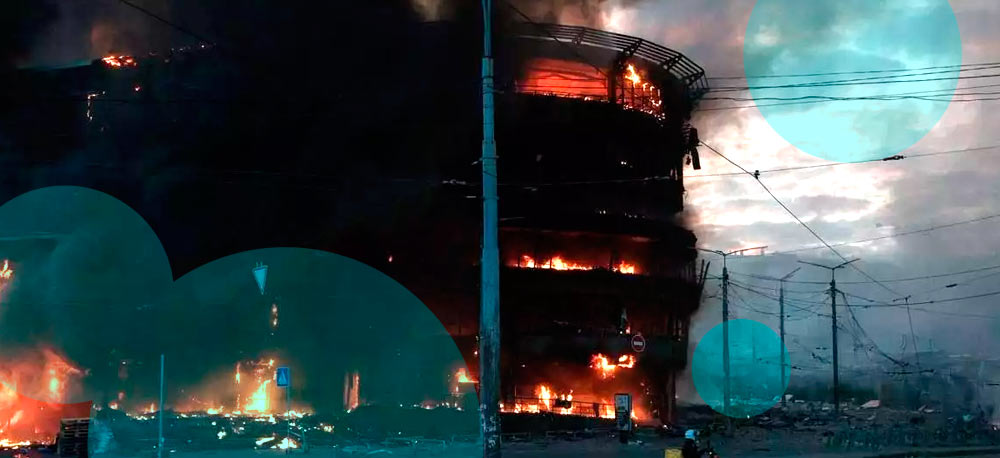
After the Palisades and Eaton fires in January destroyed more than 12,600 homes and delivered total losses that UCLA Anderson put somewhere between $76bn and $131bn, the FAIR Plan ballooned to nearly 591,000 policyholders by June.
That’s almost double the count in 2021. Some policyholders filed suits claiming smoke damage isn’t being covered, and that frustration feeds the rush back to private insurers whenever they reopen their books.
California’s broader challenges run deeper than one carrier’s decision to re-enter at scale. The state carries a heavy climate burden.
Climate Risk Report says 5.6% of US homes – valued at $3.2tn – fall into severe or extreme wildfire risk, and almost 39% of that exposure sits in California alone.
Los Angeles shows about $476.5bn of high-risk housing, Riverside around $474.4bn, San Francisco roughly $274.6bn. When those numbers fly around underwriting rooms, executives get twitchy.
Several big carriers retreated. State Farm and the Hartford stopped writing new California business. Allstate paused new policies in late 2022 and still talks about coming back. Others pulled coverage from long-time customers to cut accumulated risk.
According to Deep Sky Research, 1 in 5 homes in the most extreme fire zones lost private coverage since 2019. Premiums in those pockets jumped 42% since 2009.
More than 150,000 households now sit without insurance at all. Insurers raise rates to keep up with wildfire losses, rising rebuild costs, and plain old inflation, and the combination pushes many buyers out of deals entirely.
Agents feel the squeeze. The California Association of Realtors says at least 13% of agents saw a sale fall apart in 2024 because the buyer couldn’t find insurance.
Farmers filed for an average rate increase of 6.99%. Farmers also wants to boost its home-auto bundle discount from 15% to 22%, which softens the optics a bit, though new customers still need to clear strict underwriting screens.
Regulators say Mercury, CSAA, USAA, Pacific Specialty and California Casualty plan to stay and expand. Susman says they never really stopped writing, especially Mercury, and Farmers’ return at full pace might nudge them to scale up faster.
He calls Farmers’ move leadership. California homeowners probably won’t object.