Florida homeowners insurance premiums rose nearly twice as fast as the national average between 2021 and 2025, according to a new report from the Coalition for an Insurable Future. Across the U.S., homeowners insurance premiums increased 38%, while Florida premiums jumped 75%.
The report says Florida’s pricing pressure comes from increasingly costly weather events, many intensified by climate change.
Some insurance industry experts point instead to years of litigation and higher reinsurance costs.
Recent state reforms have helped stabilize parts of the market and attracted some insurers back to Florida. The report still projects continued steep increases, mostly tied to extreme weather events driven by climate change.
Policymakers are looking for ways to reduce pressure on homeowners.
Carlos Curbelo, a former Republican congressman and member of the Coalition for an Insurable Future, said rising insurance costs are pushing lawmakers to consider relief measures, including property tax cuts.
Curbelo said market stabilization efforts have not made coverage affordable enough. The study found Florida had the highest homeowners insurance premiums as a share of household income in 2024, at 4.4% of mean household income.
Curbelo warned that insurance premium increases could erase the benefits of property tax relief within a few years. That concern is growing as homeowners face higher costs even in areas outside the most obvious storm zones.
Carolyn Kousky, executive director of the Coalition for an Insurable Future and a contributing economist at the Environmental Defense Fund, said inflation, labor shortages, and construction costs have lifted premiums nationally.
Higher rebuilding costs mean insurers pay more in claims and then charge higher premiums.
Kousky said those economic pressures could eventually stabilize. She described climate change as the larger insurance pricing problem because it forces a different approach to risk management.
Sea levels have risen by several inches, pushing high-tide flooding and storm surge farther inland. Scientists also say extreme downpours are becoming more common, increasing the risk of rain events like Fort Lauderdale’s flooding several years ago.
Hotter and drier conditions can also make wildfires easier to ignite and harder to control.
Scientists continue studying the exact link between climate change and hurricanes, but warmer oceans and air are increasingly associated with heavier rainfall and rapid intensification.
Sen. Sheldon Whitehouse, D-R.I., has warned that rising dependence on fossil fuels is pushing home insurance toward a crisis. At a March 26 forum in Washington, D.C., he said some homeowners have seen premiums double or triple, while others have been dropped by insurers.
Florida has faced heavy hurricane activity in recent years. Six hurricanes made landfall between 2022 and 2024, including Hurricane Ian in 2022, which produced an estimated $60 bn in insured losses.
Mark Friedlander of the Insurance Information Institute said hurricane damage was not the main driver of rate increases. He blamed excessive litigation tied to disputed claims.
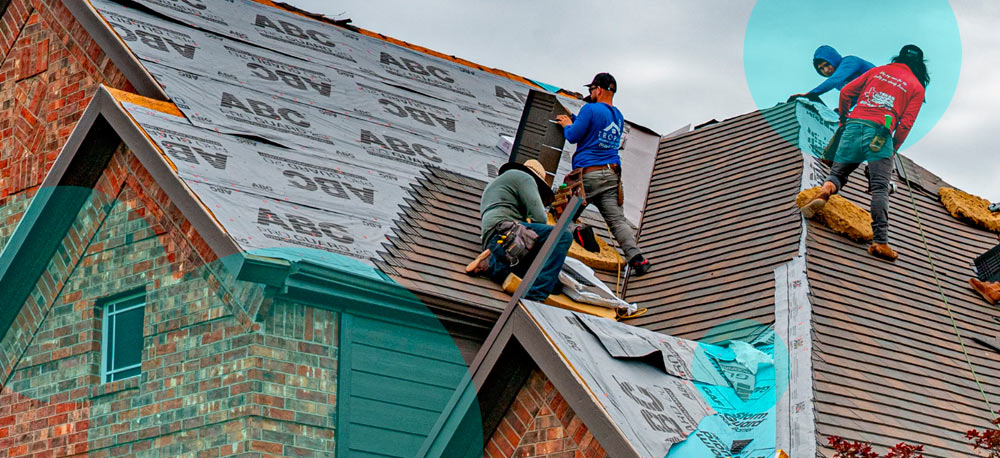
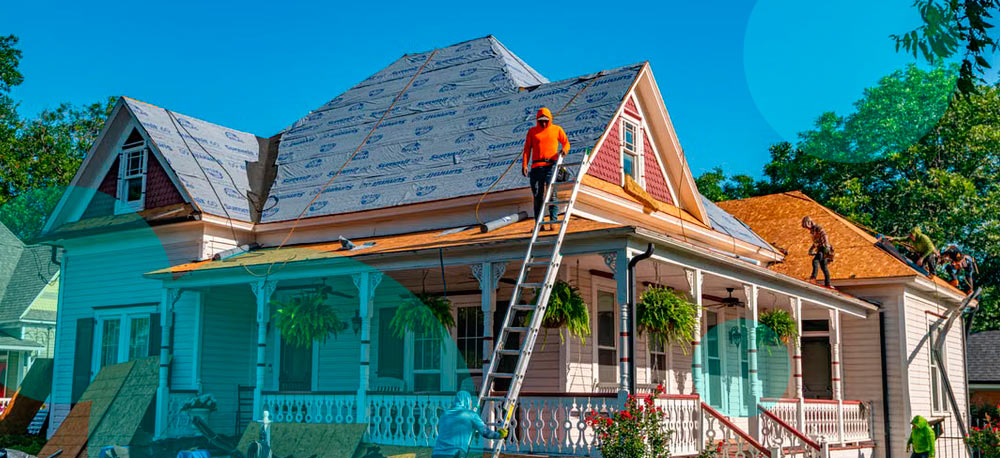
Former Florida Sen. Jeff Brandes, founder and president of the Florida Policy Project, made a similar argument. He said some roof claims grew expensive when homeowners sought full roof replacement after limited shingle damage because matching materials were no longer available.
Florida changed insurance litigation rules between 2022 and 2023. The reforms made lawsuits harder and more expensive for homeowners to bring against insurers.
Before those changes, insurers that lost a lawsuit often had to pay policyholder attorney fees. Now homeowners generally pay their own legal costs, even when they win.
The reforms also gave insurers more flexibility to make partial repairs with similar materials instead of paying for full replacements in every case. They also shortened the claim filing deadline after a storm or other loss from four years to two.
Friedlander said litigation filings fell 23% year-on-year from 2023 to 2024. They dropped another 25% during the first half of last year.
He said the market has started to stabilize because of those legal changes. That does not mean every homeowner will see lower premiums, since insurers price coverage by property and some companies move more slowly than others.
Insurance Commissioner Mike Yaworsky said 20 new private insurers have been approved to enter Florida since the reforms took effect. The Florida Office of Insurance Regulation said those companies are part of more than $850 mn in new capital entering the state’s property insurance market.
Reinsurance costs remain another major pressure point. Reinsurance is the coverage insurers buy for themselves, and Florida carriers rely heavily on it because of hurricane exposure.
Brandes said about 40 cents of every premium dollar goes toward reinsurance. He argued Florida should rethink how it uses money from the state Hurricane Catastrophe Fund.
The CAT fund was created after Hurricane Andrew in 1992, when large insured losses pushed some carriers near insolvency or out of Florida. Under the current structure, insurers must absorb a large amount of losses before the fund pays.
That means the fund mainly responds to less likely, highly catastrophic events. Brandes said insurers then need to buy more expensive lower-level reinsurance from private reinsurers instead of receiving that layer through the CAT fund.