Follow Beinsure

Florida’s $833 mn My Safe Florida Home program continues to attract strong demand from homeowners seeking grants for upgrades. The initiative funds roof replacements and other mitigation work aimed at reducing storm damage, according to Insurance Journal.
Still, criticism is building around how those funds are allocated and whether they deliver measurable insurance savings.
State Representative Brian Hodgers raised concerns about the program’s structure and outcomes. He argues roof replacement often reflects routine maintenance rather than meaningful risk reduction.
According to his view, replacing aging shingles does not materially strengthen a home against severe weather events.
Hodgers introduced legislation to tighten eligibility for roof-related grants. His proposal would limit funding to cases where existing roofs fail to meet building code standards.
Inspectors would also need to verify retrofit work under penalty of perjury. The bill did not advance during the latest session, though debate continues.
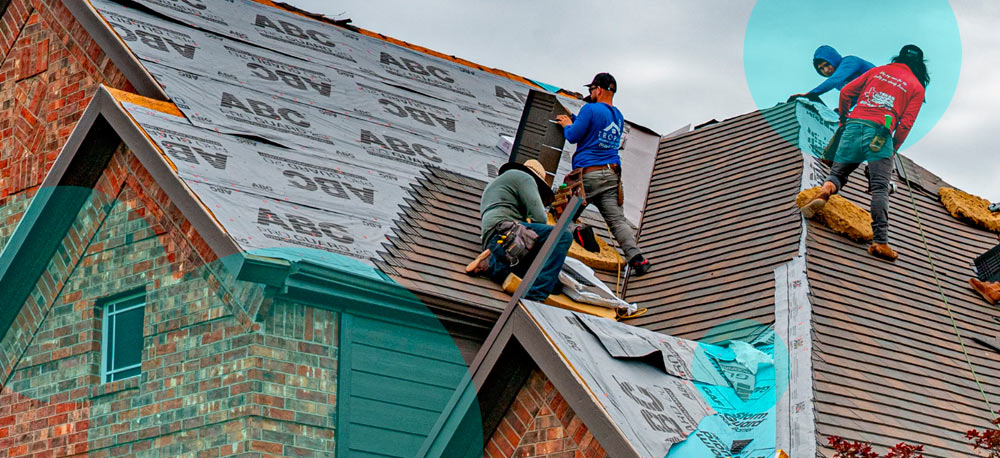
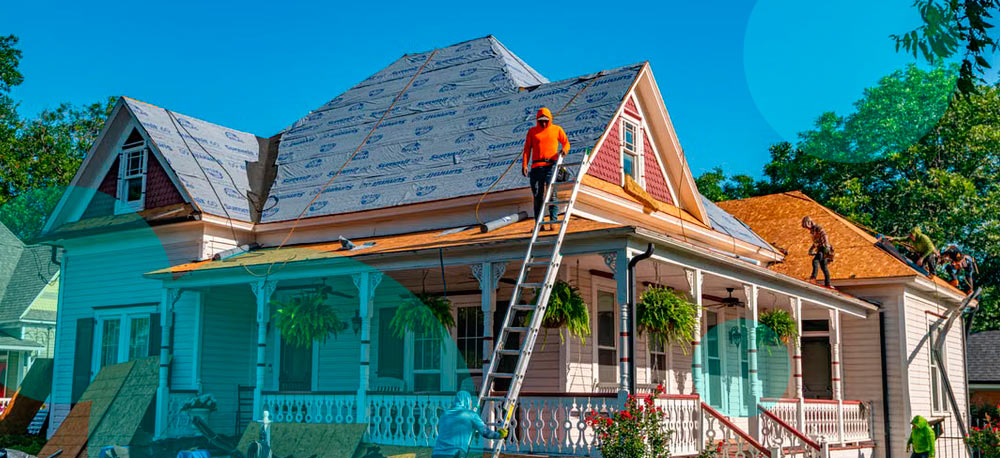
Inspection challenges sit at the center of the issue. Secondary water barriers, a critical component in storm resilience, remain difficult to verify after installation.
Once shingles are in place, inspectors rely on attic checks or limited visual cues. That approach leaves room for inconsistency.
Hodgers pointed to cases where contractors allegedly bypass proper installation methods. Some may tape seams between decking panels without installing full membrane protection.
Florida code requires either a self-adhering membrane across the roof or a combination of sealed seams and underlayment. Compliance varies, and verification remains imperfect.
Industry professionals offer mixed views. Some inspectors and contractors say most projects include proper secondary barriers. Others acknowledge documentation gaps.
Photographs taken during installation are encouraged but not required under current program rules.
The Department of Financial Services, which administers the program, acknowledges verification difficulties. Inspectors may check attic seams, though visibility remains limited. Documentation standards leave room for interpretation, especially when work is already completed.
Another concern ties directly to insurance pricing. The program assumes stronger roofs lead to lower premiums. In practice, discounts remain minimal.
Hodgers’ analysis shows average savings around $18 per year after roof replacement. That figure raises questions about return on public funding.
He suggests redirecting funds toward other mitigation measures. Impact-resistant windows, reinforced doors, and roof-to-wall connections may reduce losses more effectively. Those upgrades tend to influence claim severity more directly than roof age alone.
The program has issued more than 32,000 grants in recent years. Demand remains high, with a backlog of applicants. Despite that, structural issues persist within the process.
Inspection rules create additional risk for homeowners. Properties receive an initial inspection before approval, followed by a final review after work completion.
If the final inspection fails, funding is denied without an option for reinspection. That outcome leaves homeowners responsible for costs already incurred.
Contractors also face exposure. Failed inspections can trigger disputes or legal action from homeowners expecting reimbursement.
Mike Silvers from the Florida Roofing and Sheetmetal Contractors Association said contractors need to consider that risk when taking on grant-funded work.
According to Beinsure analysts, mitigation programs depend on verification quality and measurable impact on claims. When inspection gaps persist and premium reductions remain limited, program efficiency becomes harder to justify.