Follow Beinsure
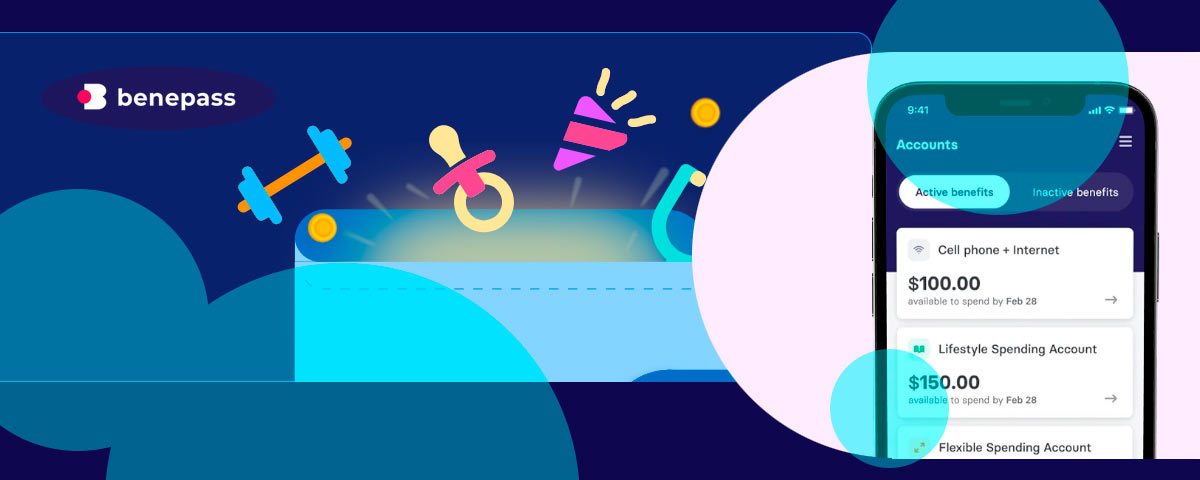
Healthcare costs are projected to rise close to 10% in 2026, driven by higher utilisation and the growing price of speciality drugs, including GLP-1 therapies. Against that backdrop, Benepass is positioning itself as financial infrastructure for how employers allocate and control benefits spending.
The company has raised $40 mn in a Series B round led by Centana Growth Partners, with participation from Future of Work Partners, Portage Ventures, and Threshold Ventures.
The funding supports expansion into larger enterprise accounts and development of more specialised health and financial benefit offerings.
Benepass was founded in 2019 by Jaclyn Chen to address a structural gap in corporate benefits. Many programmes appear generous on paper yet remain difficult for employees to use in practice, often due to fragmented systems and administrative friction.
Startup is a benefits management and “benefits capital” platform that helps employers design, fund, and administer flexible pre-tax and post-tax employee benefits through a single card and dashboard.
It focuses on making stipends, LSAs, and tax-advantaged accounts easier to use for employees and less complex to manage for HR teams.
Chen said the idea came from personal experience at benefits-rich employers where complexity reduced real-world utilisation.
She said Benepass aims to replace static benefits menus with personalised, accessible spending experiences across physical and mental health, professional development, remote work enablement, and family support.

For HR and benefits teams, Benepass acts as a central layer for funding, eligibility, compliance, and reporting. It integrates with common HRIS and payroll systems to sync employee data and contributions, and provides analytics on engagement and spend patterns to refine program design.
“We started Benepass because benefits look generous on paper, and still feel painful to use in real life. I’ve worked at benefits-rich companies. On my first day at work, I received a folder full of handouts about benefits. As work got busy, I lost the folder, and I’m sure I left a lot on the table because redeeming benefits can be a hassle,” Jaclyn Chen said.
We’re making it possible for companies to provide incredibly personalised experiences for physical & mental wellness, professional development, remote work enablement, family support, and so many other themes that are meaningful for individuals and worthwhile for companies.
Jaclyn Chen, Benepass
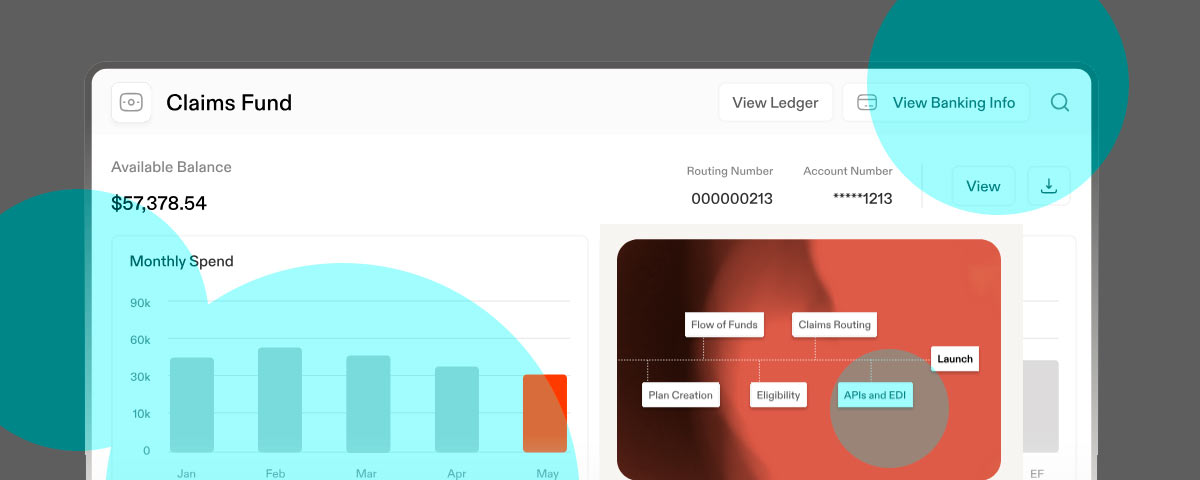
At the core of the platform sits a financial ledger designed to manage both pre- and post-tax benefits across currencies and local compliance regimes.
The system automates fund distribution, tracks spending, and integrates directly with payroll and HR platforms, reducing administrative burden for employers while improving transparency for employees.
Chen said Benepass functions as a global benefits accounting layer. Every benefit dollar is routed, reconciled, and reported automatically, giving HR and payroll teams clearer oversight and allowing employees to use benefits with less friction in daily life.
Unlike point solutions such as Forma, ThrivePass, Tilt, or HealthEquity, Benepass positions itself as underlying financial infrastructure rather than a single benefit category.
According to Beinsure, that distinction reflects employer demand to consolidate fragmented benefits stacks as costs accelerate.
The platform now supports more than 250 employers globally, manages over $900 mn in benefit funding, and has processed more than 4.5 mn transactions. The company reports revenue has more than doubled since early 2025.
On leadership composition, Chen said women represent half of the executive team.
Benepass plans to expand its Health Savings Account offering and introduce Speciality Health Reimbursement Accounts designed for targeted employer-funded programmes.
Chen said the long-term goal is to consolidate disparate benefits into flexible, tax-advantaged spending accounts that reflect how a multi-generational workforce actually uses benefits, supported by modern financial infrastructure and higher utilisation rather than unused entitlements.