Follow Beinsure
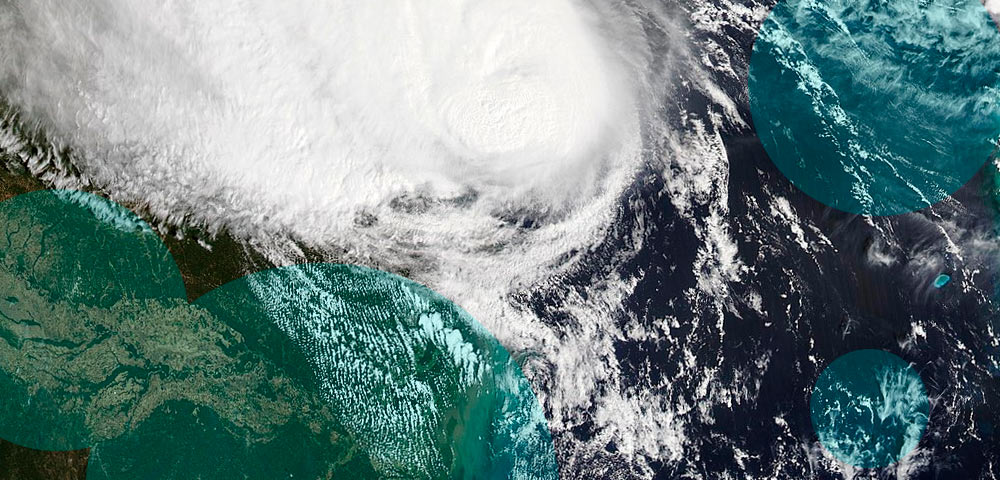
Hurricane Isaias has generated 46,509 insurance claims and approximately $582 mn in estimated insured losses in Florida, according to data released by the Florida Office of Insurance Regulation (OIR), following the Category 2 storm’s landfall on October 9, 2026.
The figures, reported by insurers, provide an early assessment of the financial impact of the hurricane, which caused extensive wind damage across the Florida Panhandle.
- Hurricane Isaias generated 46,509 insurance claims and approximately $582 mn in estimated insured losses in Florida as of October 15, 2026, according to state insurance regulators.
- Santa Rosa County accounted for 22,894 claims, followed by Escambia County with 13,677. Together, the two counties represented nearly 79% of statewide claims.
- Nearly 12% of reported claims had been closed, with approximately 80% of those closed without payment. KCC separately estimates total privately insured US losses from the hurricane at $3 bn.
The OIR reported total estimated insured losses of $581.98 mn, including claims payments and outstanding insurer reserves. The figure is expected to develop as companies investigate damage, adjust claims and receive additional notifications from policyholders.
The early claims volume is approaching levels recorded after Hurricane Sally, which affected a similar area in September 2020. Sally generated approximately 72,000 claims and $577 mn in reported insured losses over its first six weeks, compared with Isaias’s preliminary totals less than a week after landfall.
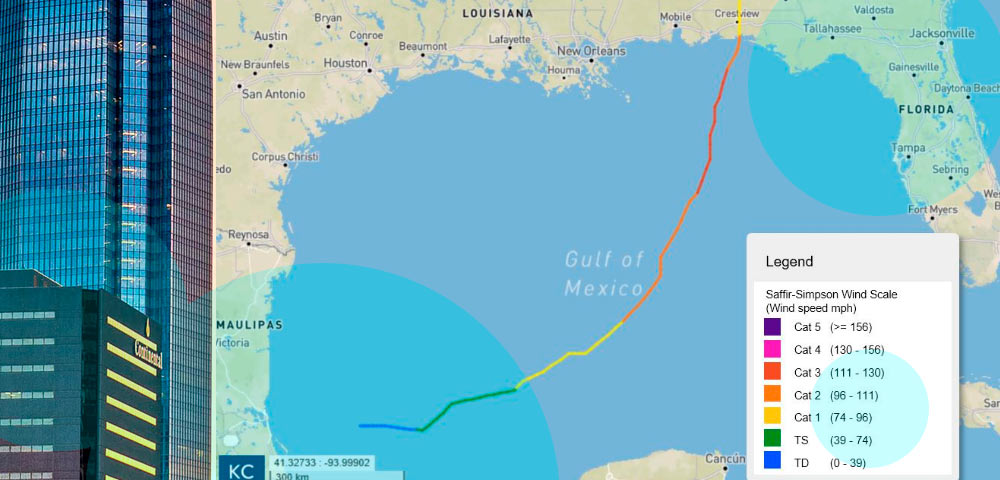
Catastrophe modeling firm Karen Clark & Company (KCC) has estimated that Isaias will generate approximately $3 bn in privately insured losses across the United States from wind and storm surge.
The KCC estimate covers a broader geographic area and different loss categories than the preliminary Florida regulatory figures, so the two totals are not directly comparable.
Santa Rosa and Escambia counties account for most claims
The highest concentration of Hurricane Isaias insurance claims has emerged in Santa Rosa and Escambia counties, west of the storm’s landfall location near Destin.
Santa Rosa County recorded 22,894 claims, approximately 49% of the statewide total, while neighboring Escambia County reported 13,677. Together, the counties accounted for 36,571 claims, or nearly 79% of all claims reported in Florida.
Okaloosa County, where the hurricane’s eye came ashore, recorded 4,334 claims, while Walton County reported 1,727.
The combined 6,061 claims in Okaloosa and Walton counties were fewer than might have been expected given their proximity to the landfall location.
The unusual distribution reflects the storm’s asymmetric wind structure. Isaias weakened from Category 3 strength before landfall, with its strongest winds displaced north and northwest of the eye rather than concentrated in the eastern eyewall.
The hurricane struck near Destin with sustained winds of 105 mph, producing severe damage across portions of the Panhandle.
In Santa Rosa County, particularly around Milton, substantial structural damage affected residential and commercial properties.
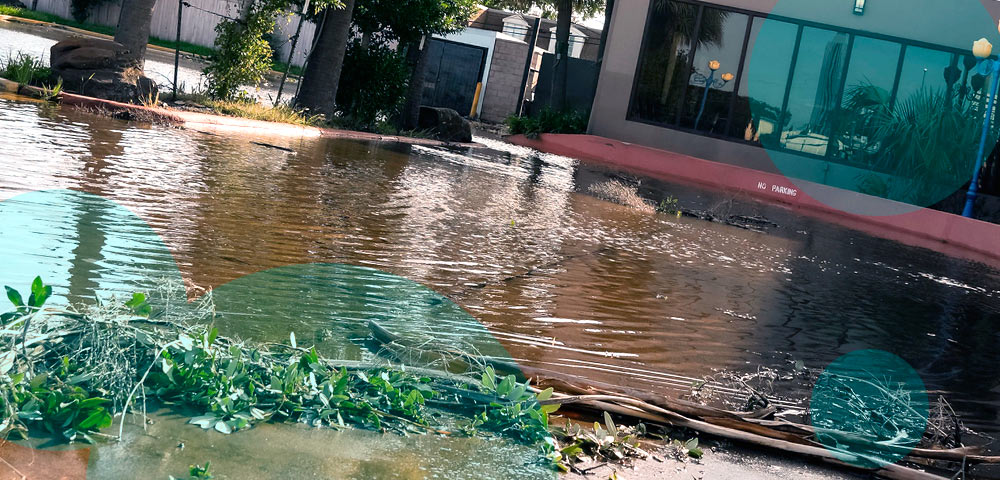
An apartment complex lost much of its roof structure, while a nearby high school gymnasium sustained major roof damage. Fallen trees, damaged roofing and debris were reported across affected communities.
Nearly 80% of closed claims have received no payment
Residential property claims account for the majority of losses reported to the OIR.
The regulator recorded 40,406 residential property claims, including 35,014 homeowners claims, 4,001 dwelling claims, 1,224 mobile homeowners claims and 167 commercial residential claims.
Commercial property insurers reported another 884 claims, while private passenger automobile policies accounted for 4,136.
As of October 15, insurers had closed 5,545 claims, representing 11.9% of all reported claims. Of those, 1,127 were closed with payment, while 4,418 were closed without payment. The OIR identified administrative reasons as the largest category of claims closed without payment, accounting for 3,785 cases. These include withdrawn claims, duplicate submissions, inquiries recorded as claims, incorrectly reported losses and cases where insurers could not obtain sufficient cooperation or communication from policyholders.
Other explanations included 352 claims involving coverage exclusions or policies not in force, 222 where covered damage was below the applicable deductible and 86 involving flood damage without appropriate coverage.
A claim closed without payment does not necessarily mean that an insurer improperly rejected a valid claim. Some cases involve damage that falls outside the policy terms or circumstances in which no covered property damage occurred.
The OIR said it audits and examines insurers’ catastrophe claims handling to assess compliance with Florida law and insurance policy requirements.
Insurers expect limited impact on reinsurance renewals
Despite substantial damage across the Panhandle, insurance industry analysts expect Hurricane Isaias to have a manageable financial impact on the broader property and casualty insurance market.
Gallagher Re indicated that the storm is unlikely to materially influence reinsurance renewal negotiations for most carriers, given the expected scale of losses.
AM Best characterized the hurricane as an “earnings event” rather than a threat to insurers’ capital or solvency.
That assessment suggests the financial losses should be absorbed primarily through underwriting results without significantly weakening the industry’s overall financial position.
However, individual insurers with concentrated exposure in Santa Rosa, Escambia and other affected counties may experience a more substantial claims burden.
The final cost will depend on additional claims reporting, repair estimates, coverage assessments and the development of outstanding losses.
Florida’s latest figures represent an initial measure of the hurricane’s insurance impact, while KCC’s $3 bn industry estimate indicates that substantial losses remain to be assessed across the wider region.