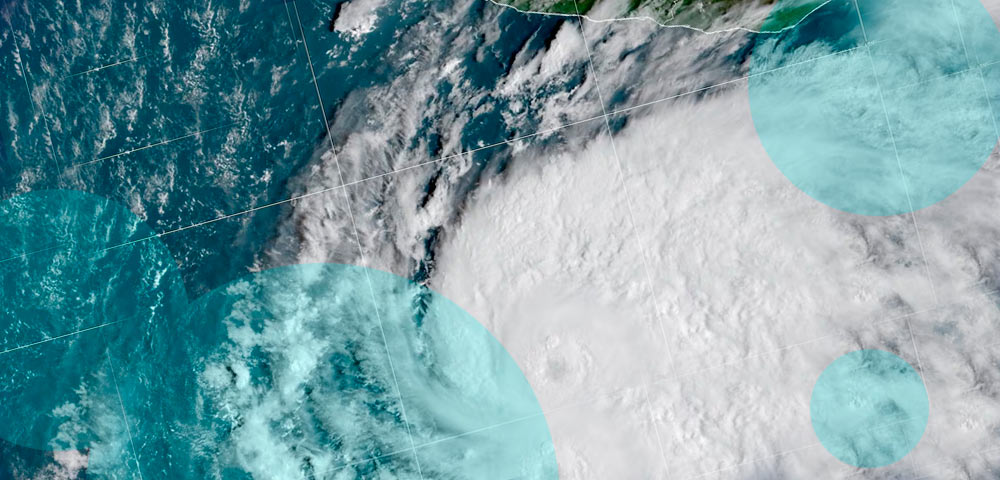
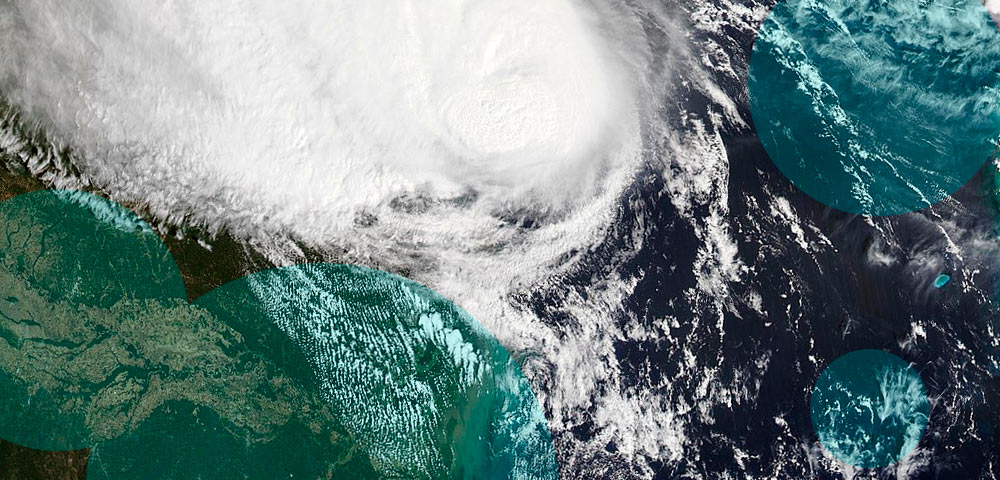
Hurricane Lowell passed west of Hawaii while continuing to bring heavy rain and dangerous surf across the island chain. The storm had maximum sustained winds of 105 mph as it moved west of Kauai, according to the US National Hurricane Center.
Kauai could receive as much as 24 inches of rain from the system. The Big Island may receive around half that amount, while Maui and Oahu could see another 5 inches.
The National Hurricane Center warned that heavy rainfall would continue across the Hawaiian Islands through Wednesday. Significant flash flooding and mudslides are possible, particularly in Kauai County and parts of the Big Island.
Brad Reinhart, a senior hurricane specialist at the center, said periods of heavy rain associated with Lowell would continue spreading across the islands. The greatest concern remains flooding in areas receiving the highest rainfall totals.
Economic damage across Hawaii could reach about $600 mn, according to Chuck Watson, a disaster modeler with Enki Research. He estimated that losses could rise to as much as $1 bn if flooding becomes particularly severe.
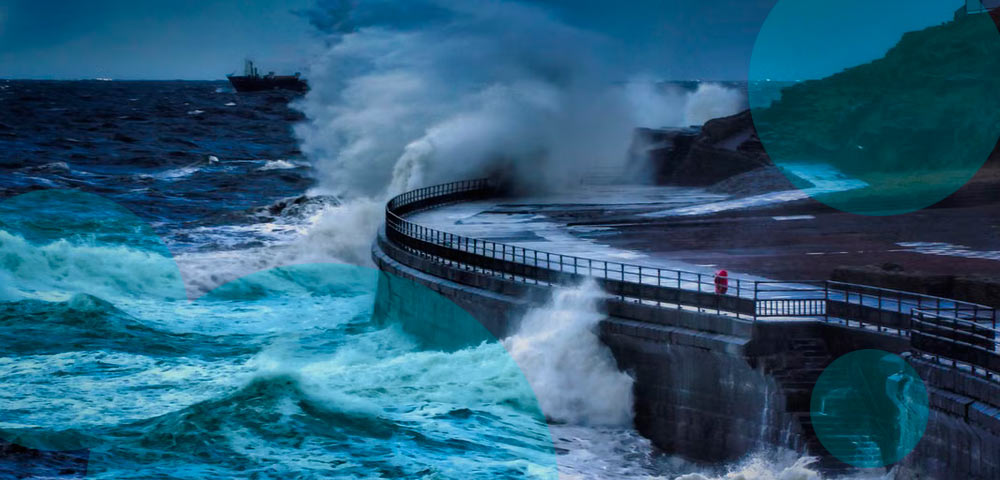
Lowell is also producing large surf and strong winds. Conditions associated with the storm could generate tornadoes in parts of the islands.
The hurricane is forecast to turn northwest and move farther into the Pacific over the coming days. The National Hurricane Center expects the system could remain a tropical storm through Saturday.
Hawaii has experienced repeated tropical systems and Kona lows since last winter, bringing heavy rainfall and flooding. Those storms have also caused evacuations and power outages in several areas.
Five hurricanes or tropical storms have threatened Hawaii during the past three months. Lowell adds another period of heavy rainfall to a state already affected by several recent weather events.
Hurricane Lowell hits Hawaii after reaching Category 5 twice
Hurricane Lowell brought heavy rain, damaging winds and storm surge to Hawaii after reaching Category 5 strength twice over the Central Pacific. The storm later weakened as it passed about 40 miles west of Niʻihau on Sept. 8 before dropping to tropical storm status the following day.
Lowell formed as a tropical storm on Aug. 27 about 1,530 miles east-southeast of Hawaii. It became a hurricane on Sept. 1 and intensified rapidly into a major hurricane later that day.
The system first reached Category 5 strength on Sept. 2, with maximum sustained winds of 160 mph and a minimum central pressure of 927 mbar. That made Lowell the first Category 5 hurricane in the Central Pacific since Hurricane Walaka in 2018.
Wind shear, dry air and eyewall replacement cycles then weakened Lowell to Category 3 by Sept. 4. The hurricane subsequently strengthened again, returning to Category 5 with 160 mph winds and a lower central pressure of 922 mbar.
The second peak made Lowell the first Pacific hurricane since Hurricane Ioke in 2006 to reach Category 5 intensity more than once. It was only the third Pacific hurricane on record to do so, according to the source.
Lowell turned north as a ridge weakened and an upper-level low developed north of Hawaii. Cooler sea surface temperatures and increasing wind shear caused the storm to weaken below major hurricane strength on Sept. 7.
Authorities issued hurricane and tropical storm watches as Lowell approached the islands. Kauai County was later placed under a hurricane warning, while Oahu received a tropical storm warning.
A tornado watch was issued for Kauai County and adjacent waters early on Sept. 8. According to the source, it was the first tornado watch issued for Hawaii on record.
Hawaii Gov. Josh Green declared a state of emergency on Sept. 3 because of the threat from Lowell and another nearby system. The state activated 129 National Guard members and sent six high-water vehicles to Kauai.
- Lowell produced its heaviest rainfall on Kauai, where Wainiha recorded 19.89 inches. Wind gusts reached 92 mph at Puʻu Lua, while Lihue Airport recorded sustained winds of 59 mph and a peak gust of 79 mph.
- High surf and storm surge damaged coastal areas including Kekaha and Poʻipu. Low-lying sections of the Sheraton Kauai Resort were inundated, while several homes near the Poʻipu shoreline were damaged.
- Kaumualiʻi Highway near Kekaha Beach was blocked by rocks and road debris. Port Allen Boat Harbor also sustained extensive damage from the storm.
Power outages were widespread on Kauai. Kauai Island Utility Cooperative reported that more than 91% of the county lost electricity during the storm.
Outages at the Waimea Wastewater Treatment Plant contributed to a spill of about 20,000 gallons of wastewater. Oahu separately recorded around 21,000 power outages.
Two deaths were associated with Lowell in the source. A 74-year-old man on Kauai was killed by storm surge, while a man on Oahu died after a tree fell onto his tent.
The storm had weakened to a tropical storm by Sept. 9 as it moved away from Hawaii. Its passage followed several recent tropical systems affecting the state during an active Central Pacific season.