Follow Beinsure
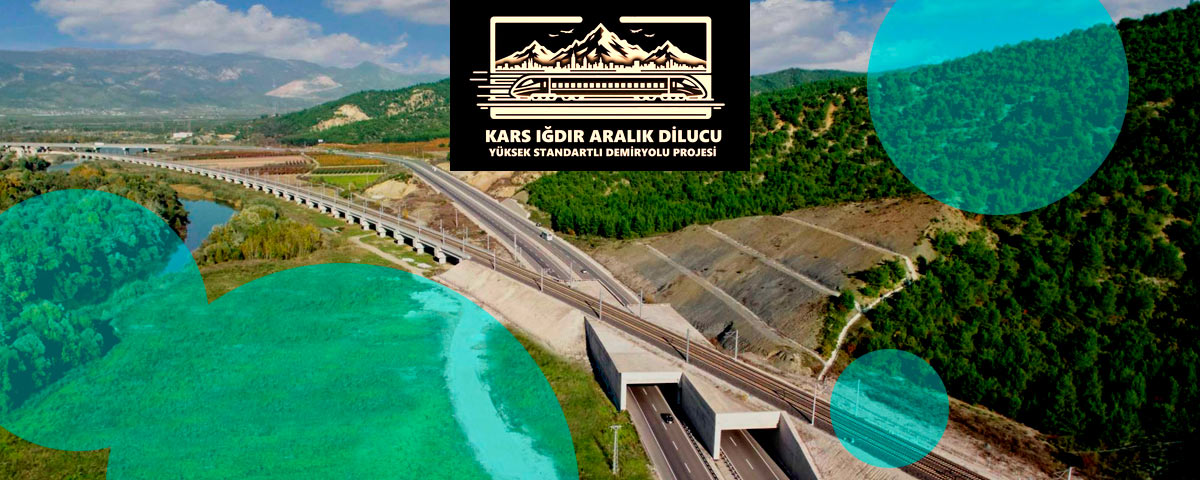
The Islamic Corporation for the Insurance of Investment and Export Credit approved €135m in insurance cover for non-performance of sovereign financial obligations tied to Turkiye’s Kars-Igdir-Aralik-Dilucu high-standard railway project.
The Jeddah-based multilateral insurer will support murabaha financing facilities arranged for the project, adding protection for lenders involved in the deal.
The KIAD Railway Project comprises the construction of a 224 km electrified double-track, high-speed railway with modern signaling and safety systems, connecting Türkiye’s eastern provinces of Kars and Iğdır with the Dilucu border crossing with Azerbaijan.
ICIEC chief executive Khalid Youssef Khalfallah said the approval reflects the institution’s focus on infrastructure that delivers measurable economic and environmental returns across member states, Beinsure stated.
He said the KIAD rail line improves regional connectivity, supports cleaner transport, and strengthens trade links between Asia and Europe, while ICIEC’s backing improves lender confidence and speeds execution.
The KIAD railway sits inside Turkiye’s 12th Development Plan for 2024-2028 and plays a central role in the country’s long-term transport strategy.
The line stretches 224 km from Kars to Dilucu on the Turkiye-Azerbaijan border and connects directly to the Kars-Tbilisi-Baku corridor.
Five stations across Kars and Igdir provinces anchor the route, which forms part of the Silk Road economic belt.
The railway strengthens the middle corridor across the Caspian Sea and adds a competitive rail option for freight moving between Asia and Europe.
The project aims to shift a significant share of freight from road to electrified rail. Planners estimate logistics costs could drop by as much as 40% by 2030 as supply chains become more efficient and transit times shorten.
Local industries stand to benefit from lower transport costs and improved access to export routes.
Construction activity is expected to peak at roughly 3,000 jobs, with additional knock-on effects for regional economies.
Once operational, the dual-track electrified system supports Turkiye’s climate goals by cutting an estimated 498,276 tonnes of carbon dioxide equivalent each year.
Energy efficiency is projected at 95%, placing the line among the more sustainable transport projects in the region.
According to Beinsure, ICIEC’s involvement reflects a broader trend of multilateral insurers stepping in to de-risk large infrastructure projects as governments push rail investment to balance trade growth with emissions targets.