Follow Beinsure
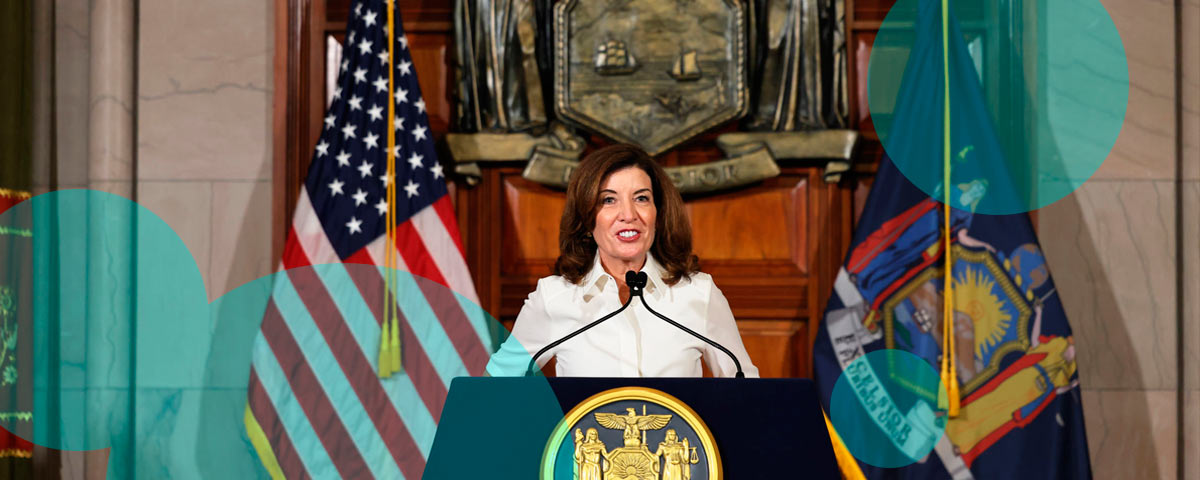
New York Governor Kathy Hochul said the state reached a 2026-2027 budget agreement totaling about $268 bn, though legislative leaders disputed whether the deal had fully closed.
The budget was due by April 1, but lawmakers passed nine temporary extensions to keep state government operating while negotiations continued.
Hochul said the agreement includes several auto insurance reforms aimed at lowering premiums, alongside consumer protections pushed by lawmakers. Assembly Speaker Carl Heastie said no final deal existed yet and called Hochul’s announcement premature.
Heastie told reporters that lawmakers still had unresolved details and might leave Albany for the weekend without voting on a budget.
Kathy Hochul and legislative leaders are considering tighter controls on auto insurance rate increases, as budget talks remain stalled over broader reforms to the state’s insurance laws.
The proposal would give regulators more authority to limit consumer cost increases by requiring insurers to seek prior state approval before raising rates.
The talks form part of negotiations over New York’s roughly $260 bn state budget, which has been delayed for weeks. New York’s auto insurance reform debate is escalating as Governor Kathy Hochul presses for legislation aimed at curbing litigation linked to vehicle accidents.
The dispute centers on Hochul’s plan to reshape auto insurance rules, including changes affecting accident payouts, staged crash enforcement, and eligibility for pain and suffering claims.
According to Hochul’s summary, the budget avoids income tax increases and does not raise statewide business taxes. It also preserves the governor’s authority to make future adjustments if federal actions pressure state finances.
The plan includes a surcharge on high-value second homes and investor-owned apartments worth $5 mn or more in New York City. Lawmakers estimate the measure would generate at least $500 mn in annual tax revenue.
Hochul said she wanted a budget supporting working families and expanding economic opportunity across the state.
Supporters of her insurance proposals welcomed the apparent agreement. Citizens for Affordable Rates, a group backing auto insurance reform, described the deal as a major win for New Yorkers facing affordability pressure.
The insurance industry supported much of Hochul’s reform agenda, though the final package includes provisions some insurers may oppose, including prior approval for rate increases and restrictions on certain pricing criteria.
The Legislature still needs to pass budget bills turning the proposed priorities into law.
Beyond auto insurance, Hochul said the budget would lower costs tied to child care, utilities, community college, and selected four-year college programs.
It also includes $30 mn in direct tariff relief for New York farmers and removes state income tax on tipped wages up to $25,000 per year, according to US Auto Insurance Rates by States.
The budget also outlines spending on affordable housing, infrastructure, public safety, child nutrition, water quality, and environmental programs. It adds online platform protections for children and measures responding to aggressive federal immigration enforcement.
The auto insurance provisions address several areas Hochul pushed during negotiations.
The budget would increase penalties tied to staged accidents, expand legal liability for organizers, and give insurers more time to investigate suspicious claims.
It would also limit payouts to drivers found more than 50% responsible for crashes. The package narrows the definition of serious injury eligible for non-economic damages, reducing lawsuits over minor injuries. It also requires insurers to offer discounts to drivers who opt into telematics or app-based monitoring programs.
Insurers would need prior state approval before raising rates. The budget also includes tighter rules against excess insurer profits and prevents carriers from using ZIP codes and credit scores in policy pricing.
The agreement also eliminates the 90-day serious injury category that allowed lawsuits based only on an inability to perform daily activities for that period.
A related proposal outside Hochul’s original recommendations would require dangerous drivers in New York City to install intelligent speed limiter devices if they receive 16 or more speed camera violations in one year.
Trial lawyers strongly opposed the auto insurance reforms and became one of the main obstacles during budget talks.
Some lawmakers argued that the insurance measures did not belong inside the budget and should move through separate legislation. Trial lawyers also questioned whether the changes would actually lower premiums.
They said the package would benefit insurers and companies such as Uber while reducing compensation for injured crash victims.
Andrew Finkelstein, president of the New York State Trial Lawyers Association, told lawmakers that insurer profits should not come at the cost of justice or injured New Yorkers’ rights.
Hochul’s account suggests lawmakers accepted most of her auto insurance proposals while adding their own consumer-facing restrictions on insurers.
James Freedland, spokesperson for the Uber-backed Citizens for Affordable Rates, said the measures would strengthen enforcement, modernize outdated rules, and put money back into consumers’ pockets.
Hochul campaigned aggressively for the reforms and framed high auto premiums as an affordability issue. She argued that New Yorkers pay too much because fraud, litigation costs, and legal loopholes inflate insurance prices.
New York households paid an estimated $1,935 on average for personal auto insurance in 2024, according to the Insurance Information Institute. That rose from $1,753 in 2023.
Triple-I estimated New Yorkers spent 2.23% of median household income on personal auto insurance in 2024, up from 2.15% one year earlier. The national average was 1.59%, placing New York fourth highest behind Louisiana, Florida, and Mississippi.
According to Beinsure analysts, New York’s auto insurance debate reflects a familiar tension across large insurance markets. Regulators want lower premiums and fraud controls, trial lawyers defend access to damages, and insurers seek faster claim resolution with fewer litigation costs.
Hochul and her supporters argue staged crashes, insurance fraud, litigation costs, and enforcement gaps push premiums higher for ordinary drivers.
Her reform campaign drew support from insurers, agents, rideshare companies, truckers, bus operators, auto repair shops, district attorneys, mayors, business groups, police unions, fire unions, university professors, and immigrant and minority organizations.
The political dispute now turns on whether Hochul’s announced agreement becomes an enacted budget or remains an unfinished negotiating framework.