Follow Beinsure
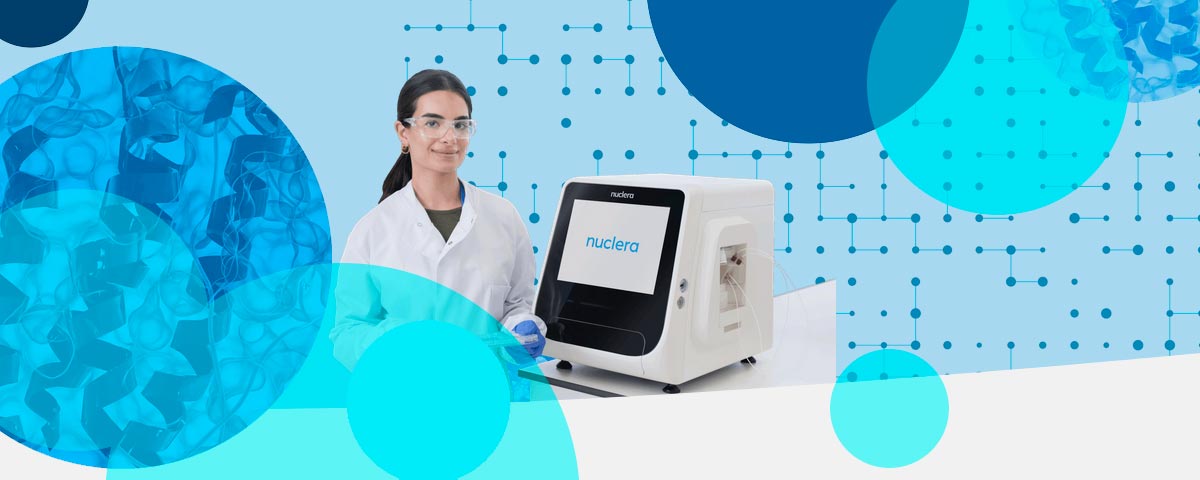
Nuclera, a biotechnology company based in Cambridge, UK, and Boston, USA, focused on making rapid access to functional proteins routine for life science researchers, has secured a $12 mn Series C financing extension, bringing total funding in the round to $87 mn, as investors continue to funnel capital into protein engineering platforms built for AI-driven drug discovery.
The extension was led by Elevage Medical Technologies and Jonathan Milner, with participation from existing backers including the British Business Bank and GK Goh.
The new capital supports the integration of antibody expression and binding validation into Nuclera’s eProtein Discovery benchtop system.
Nuclera’s platform focuses on rapid access to functional proteins, a persistent bottleneck in biologics research. The company positions its eProtein Discovery system as infrastructure rather than tooling, designed to generate consistent, scalable datasets that fit modern, data-hungry research workflows.
Michael Chen, Nuclera’s CEO and co-founder, said the financing reflects momentum in both adoption and product scope. He said scientists increasingly need high-quality protein and antibody data to train AI models used in biologics discovery, and that Nuclera is building toward a foundational role in that ecosystem.
The funding lands against a broader European biotech backdrop showing sustained appetite for protein engineering and AI-enabled discovery platforms.
Michael Wasserman, chief operating officer at Elevage Medical Technologies, said Nuclera has expanded both capability and global reach since the firm’s initial investment. He pointed to the move into full-format antibody expression, purification, and binding validation as a meaningful step as biologics discovery becomes more tightly linked to AI-driven workflows.
Founded in 2013, Nuclera set out to compress the timelines associated with protein expression and characterisation. Its eProtein Discovery system combines cell-free expression, digital microfluidics, and integrated screening data to allow multiplex protein screening and small-scale expression in-house.
The company says researchers can generate soluble, purified proteins, including membrane proteins that often fail in traditional systems, in under 48 hours.
Conventional cell-based approaches often stretch into months, adding cost and uncertainty early in drug discovery.
Jonathan Milner, chairman of Nuclera’s board and founder and former CEO of Abcam, said the company is addressing one of biologics’ most persistent constraints: slow, fragmented antibody synthesis. He said Nuclera’s progress in membrane proteins, paired with microfluidic engineering, places the platform in a strong position as antibody development workflows evolve.
Expanding eProtein Discovery with antibody-specific capabilities marks a strategic shift toward end-to-end workflows.
The system will allow researchers to run expression, purification, and binding validation for full-format antibodies on a single, high-throughput platform, producing standardised datasets suited for AI modelling.
Since closing its initial Series C in 2024, Nuclera has added a membrane protein workflow, expanded commercial reach across APAC and the Middle East, and launched a collaboration with Cytiva to streamline the path from DNA to fully characterised proteins.
As biologics R&D leans harder on automation, scale, and data quality, Nuclera is positioning its platform as plumbing for the next phase of protein and antibody engineering rather than another point solution in an already crowded market.