Oklahoma’s November 2026 insurance commissioner election has placed rising homeowners insurance premiums at the center of the campaign, with Republican Bob Sullivan and Democrat Craig MacIntyre proposing different approaches to reducing costs in the country’s most expensive home insurance market.
The two candidates will compete in the November 3 election to succeed Insurance Commissioner Glen Mulready, who is leaving office because of term limits.
- Oklahoma homeowners pay an average of $5,533 annually for insurance, approximately 111% above the national average, according to LendingTree’s 2026 analysis.
- Republican Bob Sullivan wants to attract more insurance companies and expand home resilience incentives, while Democrat Craig MacIntyre favors stronger regulatory oversight of insurance rates.
- House Bill 3781, effective July 1, 2027, will introduce a 30-day advance filing requirement for property and casualty insurance rates, giving regulators greater authority to challenge excessive increases.
According to a 2026 LendingTree analysis, Oklahoma homeowners pay an average of $5,533 annually for home insurance, compared with a national average of $2,628.
That makes coverage approximately 111% more expensive than the US average, reflecting the state’s exposure to severe windstorms, hail and other weather-related property risks.
Both candidates identify affordability as their main priority, but Sullivan emphasizes competition and risk reduction, while MacIntyre focuses on regulatory authority to challenge insurance rate increases.
Sullivan proposes greater insurance competition and lower property risks
Sullivan, an insurance industry professional with experience working across multiple states, argues that attracting additional insurers would strengthen competition and help reduce homeowners insurance premiums.
We need a more healthy, competitive marketplace, and in my mind, that means more carriers, more competition in that market.
Bob Sullivan
He plans to approach insurance companies that currently do not underwrite policies in Oklahoma and encourage them to enter the market.
His proposal also recognizes that insurers base pricing and underwriting decisions on expected claims costs and the risks associated with insured properties.
Sullivan believes reducing those risks through home improvements could make Oklahoma more attractive to carriers while helping existing policyholders qualify for lower premiums.
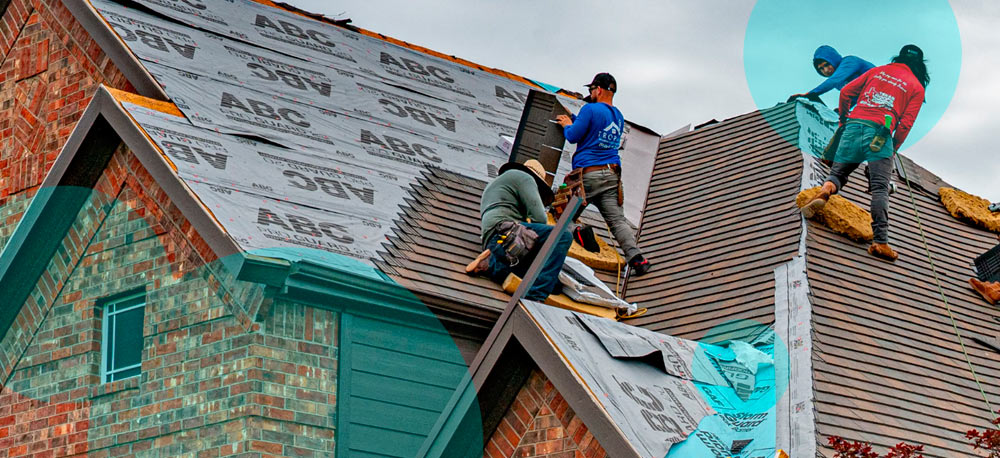
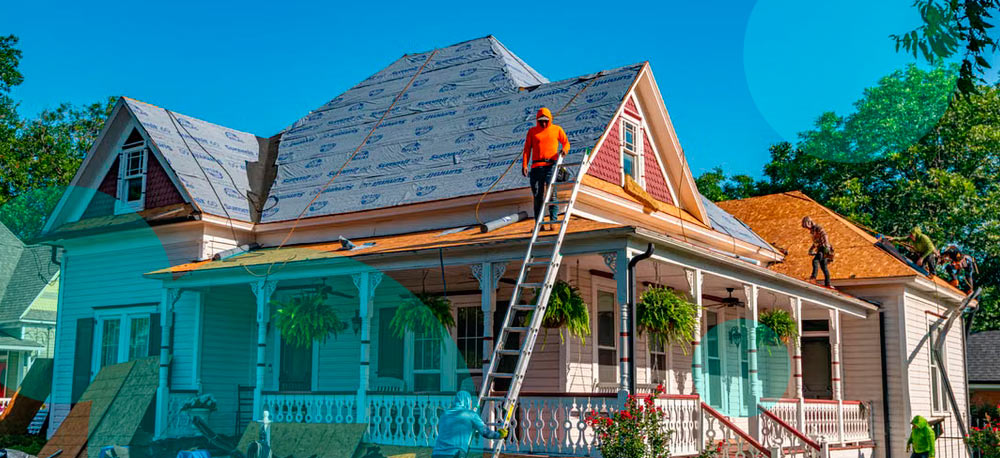
A central part of that strategy is the Strengthen Oklahoma Homes program, which provides grants of up to $10,000 for eligible homeowners to install roofs that meet the Insurance Institute for Business & Home Safety’s FORTIFIED standards.
The improvements are designed to make properties more resistant to wind and hail damage, two major causes of insurance losses in the state.
Sullivan said some participating insurers offer premium reductions ranging from 25% to 40% for qualifying properties.
Actual discounts depend on the insurer and policy terms, and Oklahoma’s insurance regulator notes that savings may apply specifically to the wind-related portion of the homeowners premium.
The Oklahoma Insurance Department reported in September that more than 600 homes had completed the program and received FORTIFIED certification.
Earlier departmental figures indicated average annual premium savings of approximately $750 among participating homeowners.
MacIntyre favors stronger oversight of insurance rates
MacIntyre, who has more than 30 years of insurance industry experience, argues that regulatory intervention is essential to addressing Oklahoma’s affordability problem.
His approach centers on House Bill 3781, enacted in 2026, which changes the state’s property and casualty insurance rate filing requirements.
The legislation establishes a file-and-use framework under which insurers must submit rates at least 30 days before using them.
The Oklahoma Insurance Department will have an opportunity to review the actuarial justification for those rates and challenge filings it determines are excessive, inadequate or unfairly discriminatory. The law takes effect on July 1, 2027.
MacIntyre said the legislation gives the next commissioner a mechanism to examine proposed increases more closely and reject rates that do not satisfy regulatory requirements.
However, he expressed concern that the delayed implementation date gives insurance industry representatives an opportunity to seek changes or repeal during the next legislative session.
Sullivan also supports the new regulatory authority but argues that it will not resolve the affordability problem on its own.
He said insurers still need a commercially viable reason to offer coverage in Oklahoma, making competition and risk reduction essential alongside regulatory oversight.
Roof replacement costs raise affordability concerns
The candidates also disagree over the practicality of requiring homeowners to invest in stronger roofs to secure insurance discounts.
Roofing contractors in Oklahoma estimate that replacing the roof on a typical 1,500- to 2,000-square-foot home can cost approximately $6,000 to $12,000, depending on materials, labor and the scope of the work.
Although the Strengthen Oklahoma Homes program can cover up to $10,000 in eligible improvements, homeowners remain responsible for costs exceeding the approved grant.
MacIntyre argues that additional spending may be unrealistic for households already struggling with insurance premiums.
My belief is, if you already can’t afford your insurance premiums, how does purchasing another product solve that affordability crisis?
Sullivan maintains that reducing the likelihood and severity of insurance claims offers a more sustainable way to lower premiums while encouraging insurers to expand their presence in Oklahoma.
The Oklahoma Insurance Department has promoted fortified construction as a means of reducing storm losses and improving long-term insurance affordability. However, premium discounts are carrier-specific and are not guaranteed for every participating homeowner.
Oklahoma’s next commissioner faces a difficult insurance market
The election comes as policymakers confront the combined effects of severe weather exposure, rising property repair costs and concerns about insurance affordability.
The next commissioner will oversee implementation of HB 3781 while also addressing questions about insurer participation, market competitiveness and consumer protection.
Sullivan’s strategy seeks to improve market conditions by increasing insurance capacity and reducing the underlying risks associated with residential properties.
MacIntyre’s approach places greater emphasis on using regulatory powers to scrutinize rate filings and protect homeowners against unjustified premium increases.
Neither approach guarantees immediate reductions in insurance costs. The effectiveness of both will depend on insurer responses, regulatory implementation and the future cost of property claims.
For Oklahoma homeowners paying more than twice the national average for coverage, the November election will determine which strategy guides the state’s insurance regulation over the next four years.