Follow Beinsure
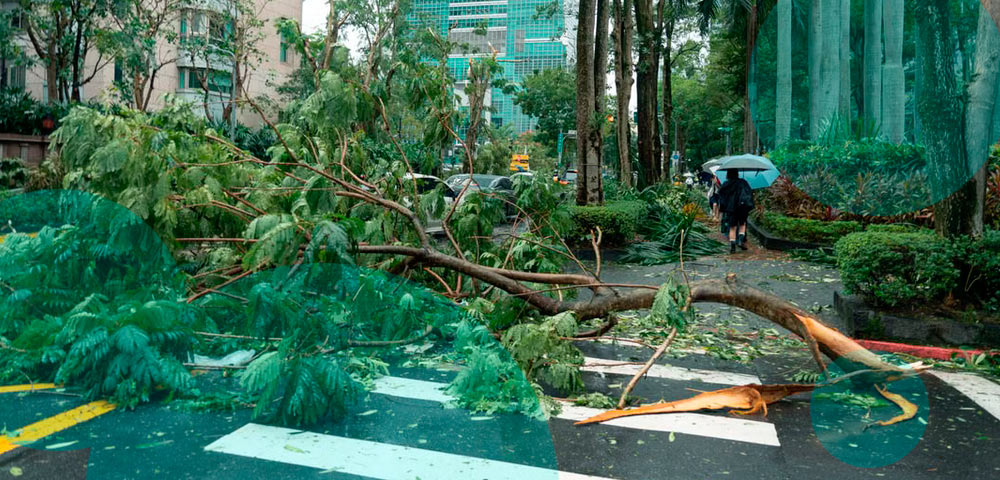
- Typhoon Champi brought gusts of 191 kph, killing one person, injuring 163 and forcing 2,639 evacuations across Taiwan.
- Taiwan cancelled 979 domestic and international flights and closed financial markets, while TSMC reported no significant operational disruption.
- Forecasters warned that the storm’s 320-km radius could expose Taiwan to severe weather for nearly two days, with a direct landfall still possible.
Taiwan largely shut down on Friday as Typhoon Champi approached the island, bringing powerful winds, torrential rainfall and widespread transport disruption. Although the storm had weakened from super typhoon status, forecasters warned that it could still make landfall.
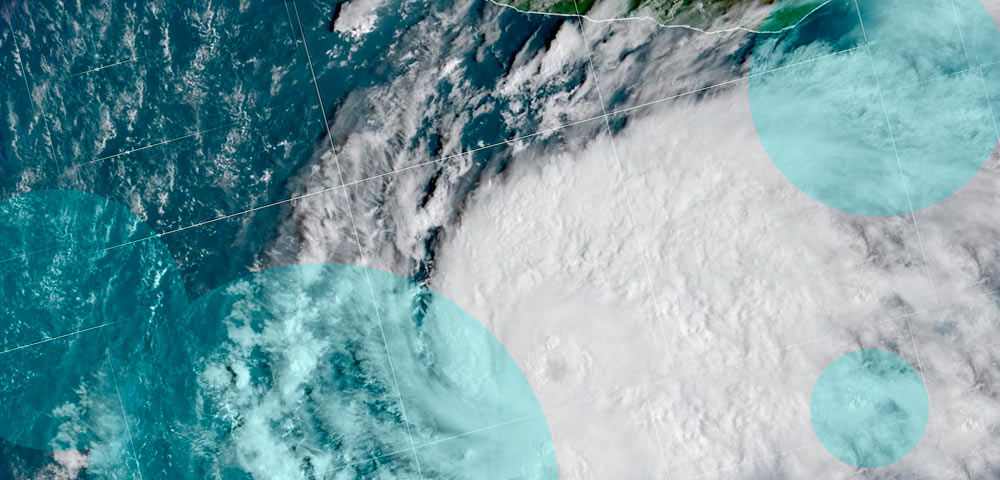
Champi, previously one of the strongest Pacific storms this year, was generating gusts of around 191 kph (119 mph) near its centre, according to Taiwan’s Central Weather Administration (CWA).
The storm was approximately 170 km (106 miles) east of Taiwan. Its projected track would take it close to the island’s northeastern coast late Friday before turning north towards China’s coast and eventually reaching southern Japan.
One person was killed and 163 injured, with the injury count revised down from an earlier figure of 171. Authorities evacuated 2,639 residents from mountainous areas, while state-owned electricity provider Taipower reported power outages affecting more than 77,000 homes. Electricity had already been restored to most affected households.
Taiwan Semiconductor Manufacturing Company (TSMC), the world’s largest contract chipmaker, said its operations remained normal and that the storm had caused no significant impact.
Typhoon Champi threatens prolonged flooding and strong winds
CWA forecaster Liu Pei-teng told Reuters that a direct landfall remained possible if Champi “stalls, loops, or wobbles from side to side” while approaching Taiwan.
The storm’s wind radius is quite large, among the bigger ones in recent years. If the storm slows down, the strong winds will affect Taiwan for longer.
Forecasters estimated the typhoon’s radius at approximately 320 km (200 miles), sufficient to cover most of Taiwan. Weather specialists warned that its effects could persist for nearly two days.
Coastal communities received mobile phone alerts warning of wind gusts exceeding 150 kph (93 mph) and urging residents to seek immediate shelter.
Northern mountainous areas, including those surrounding Taipei, faced forecasts of nearly one metre (3 feet) of rainfall, raising concerns about flooding.
In northeastern Yilan County, where winds and rainfall were intensifying ahead of the storm’s expected close passage, authorities distributed sandbags and prepared amphibious vehicles and inflatable rescue boats.
In the northern port city of Keelung, boat owners rushed to secure their vessels as conditions deteriorated.
Flights cancelled and financial markets closed across Taiwan
Taiwan’s financial markets remained closed on Friday, along with schools and government offices across nearly the entire island.
The only exception was the Taiwan-controlled Kinmen islands, located near China’s coast, where schools and offices continued operating normally.
The transport ministry reported the cancellation of all 262 domestic flights and 717 international services, bringing the total to 979 cancelled flights.
Taiwan’s north-south high-speed railway continued operating normally despite the severe weather.
In Taipei, squally showers affected the capital, although public transport remained available. The city’s subway system continued running with reduced service.
Taiwan has extensive experience preparing for tropical cyclones, with established disaster-response measures helping to limit casualties. Although typhoons are more frequent during summer, significant storms can also reach the island during autumn.
Champi’s forecast trajectory indicated that it would pass close to northeastern Taiwan before moving north towards the Chinese coast and subsequently southern Japan.
Japan’s westernmost inhabited island, Yonaguni, in Okinawa Prefecture, was expected to be the first Japanese territory in the storm’s path.