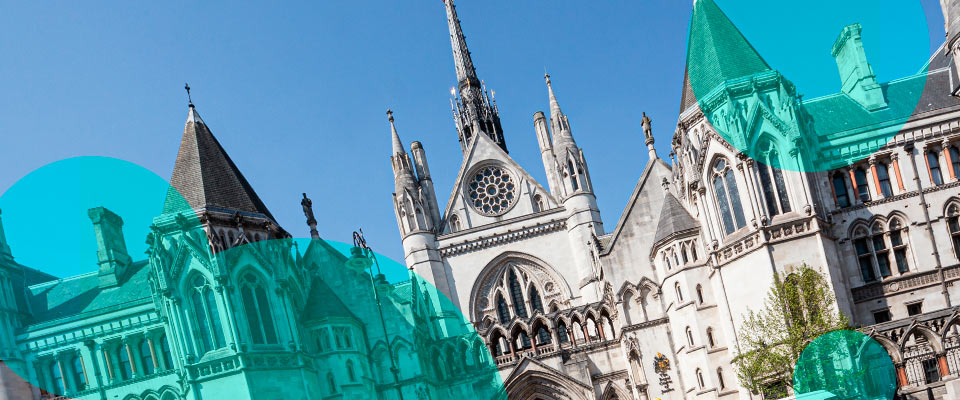
The UK High Court of Justice ruled that racecourses and affiliated businesses can pursue business interruption insurance claims on a per-premises basis for COVID-19-related closures.
The decision clarifies how insurers must assess losses tied to multi-use properties affected by government-mandated shutdowns.
The Business and Property Courts of England and Wales found that separate facilities operating at the same location—such as hotels, racecourses, and golf resorts—may each file distinct claims if they carry different indemnity periods.
The court rejected insurers’ efforts to consolidate losses under a single policy limit.
The ruling comes in a case involving 22 claimants, including Bath Racecourse Co., against Liberty Mutual Insurance Europe SE, Allianz Insurance plc, and Aviva Insurance.
The plaintiffs argued that each facility within a property experienced unique revenue losses and should be treated independently under their respective policies.
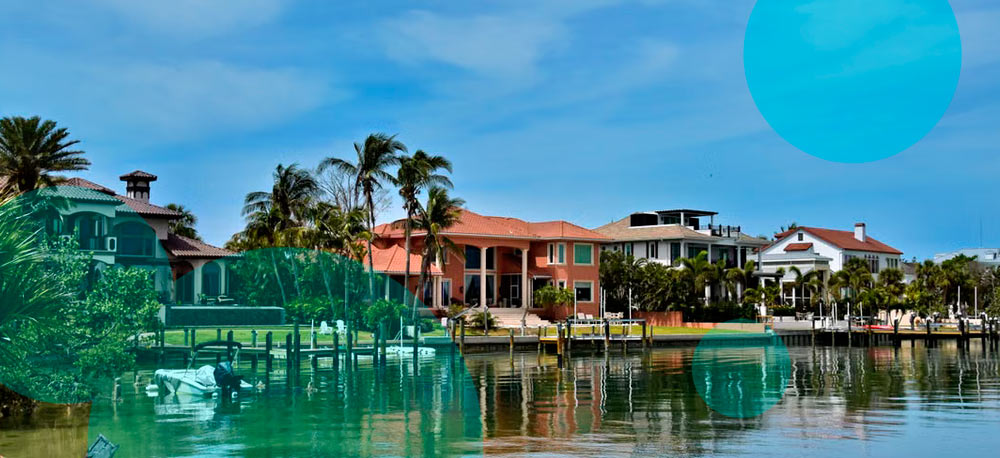
For example, Lingfield Park includes a horse racing venue, a 116-room hotel, and a golf course. Lingfield claimed £6.4 mn in revenue loss for its racing operations and £4.8 mn for its hotel.
The court noted that the racecourse carried a 12-month indemnity period, while the hotel had a 36-month term.
Insurers contended that these facilities, despite differing functions, operate from the same premises and should not be treated as separate claims.
They argued that by this logic, even individual bars within a hotel or racecourse could be split into separate claims.
Judge Sean O’Sullivan rejected that interpretation. He ruled that when facilities within a single location have distinct indemnity terms, they must be assessed separately.

The applicable limit would be different for the racecourse as compared with the hotel.
Sean O’Sullivan, UK High Court Judge
However, the court denied the claimants’ request to treat government extensions and updates to closure orders as grounds for additional claims. The plaintiffs had argued that each canceled or spectator-restricted event should qualify as a new claim.
O’Sullivan clarified that once a closure triggers interference with business operations, that loss remains a single ongoing event. Modifications to the order do not reset or generate new claimable losses.