Follow Beinsure
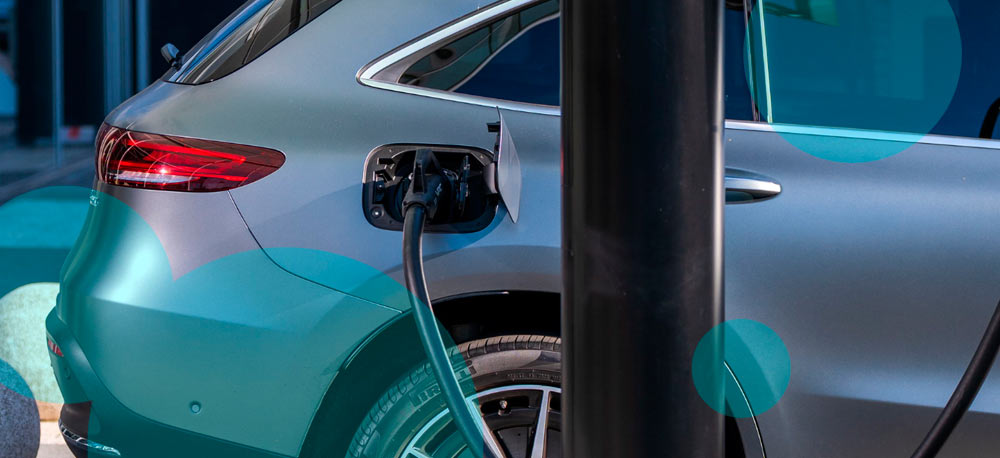
UK battery electric vehicle registrations reached 99,199 in September, the highest figure recorded for the month, as the arrival of new number plates lifted activity across the new car market.
Battery EV registrations increased 36.3% from a year earlier and represented 28.3% of all new cars registered during September, according to preliminary data from the Society of Motor Manufacturers and Traders. Total UK registrations rose 12% year on year to 350,518 vehicles, the strongest September since 2017.
The latest figures extend the rise in electric registrations seen through much of 2026. More than 450,000 new battery EVs have now been registered since the start of the year, with their share reaching 26.2% over the first nine months.
Petrol remains the largest powertrain category for the year, holding a 41.5% share through September. Petrol registrations fell 6.7% during the month, while hybrid electric vehicle registrations declined 4.2%.
Petrol cars lose ground to EVs in the UK
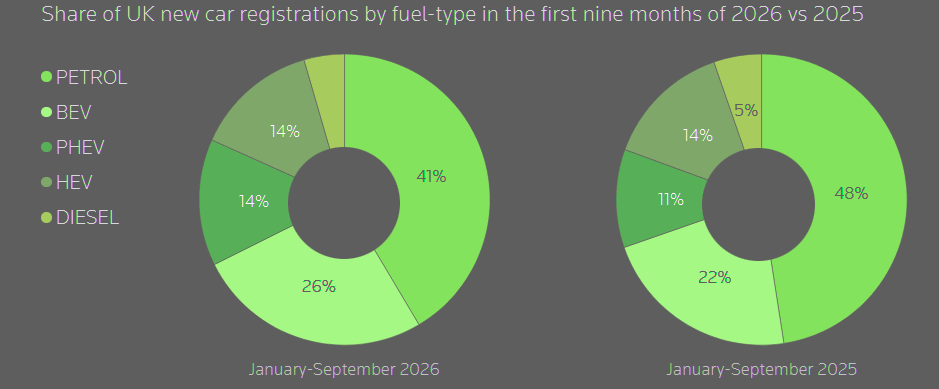
Diesel moved in the opposite direction in September, with registrations increasing 11.5% from a year earlier. Across the first nine months, though, diesel registrations were down 7%, leaving the fuel with a market share of roughly 4.5%.
Higher fuel prices have added another factor to purchasing decisions. Diesel supply has come under pressure from disruption linked to the U.S. war with Iran and Russia’s export restrictions after Ukrainian attacks damaged several Russian refineries. U.S. President Donald Trump has also been considering restrictions on American diesel exports.
The UK government’s Electric Car Grant offers discounts of up to £3,750 on eligible electric cars. Buyers also have access to more than 170 fully electric models across multiple price ranges, giving the market a broader selection than in previous years.
The September figures supported the company’s view that more drivers were responding to the economics of electric cars. She pointed to the 36% annual increase in EV registrations and diesel prices reaching £2 a litre as factors strengthening the financial case for switching.
ChargeUK also linked the September result with petrol and diesel prices. Strong EV demand during the September registration period weakened the case for reducing government sales targets.
The government is reviewing its zero-emission vehicle mandate. The previous framework called for 80% of new cars registered in 2030 to be fully electric, while the longer-term target of 100% zero-emission new car and van sales by 2035 remains in place.
Battery EVs remain below the existing annual mandate. Their 26.2% share during the first nine months of 2026 trails the 33% target for this year and also remains below the 28% requirement set for 2025.
British manufacturers face other pressures outside the domestic EV targets. Proposed Made in Europe provisions from the European Union risk excluding UK-built vehicles from some incentives and public procurement programmes, while Chinese manufacturers continue expanding their share of the European and British markets.
Chery’s Jaecoo 7 was the UK’s best-selling model in September, according to the SMMT. BYD’s Sealion 7 ranked behind Tesla’s Model 3 and Model Y among the month’s best-selling battery EVs.
September nevertheless produced the strongest monthly battery EV registration figure yet for the UK. With 99,199 vehicles registered in one month, electric cars accounted for more than one in four new registrations during one of the industry’s busiest sales periods.