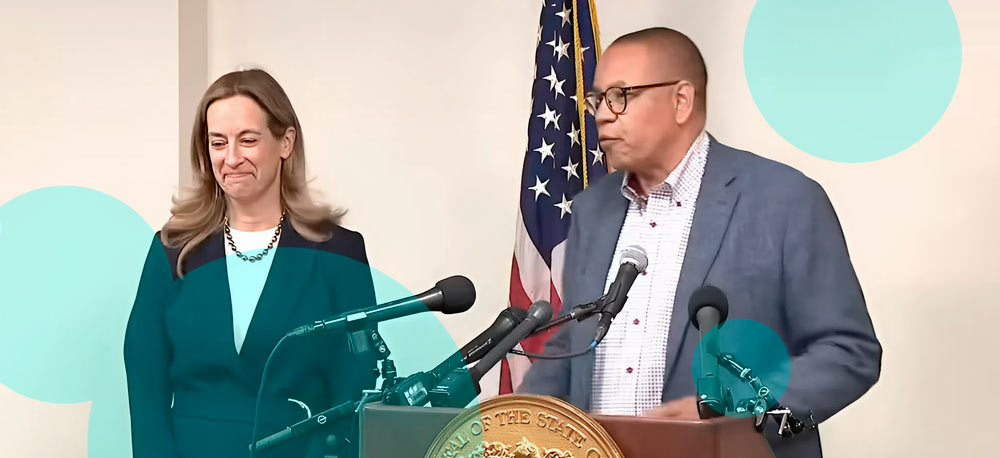
Two Florida lawmakers moved again to loosen constraints in the flood insurance market while keeping pricing protections tied to the National Flood Insurance Program.
Reps. Kathy Castor, a Democrat, and Maria Salazar, a Republican, reintroduced legislation designed to expand access to private flood coverage without penalising policyholders who later return to the federal programme.
The proposal, titled the Continuous Coverage for Flood Insurance Act, would allow homeowners to hold qualifying private flood policies without losing eligibility for NFIP grandfathered rates.
The bill directs the Federal Emergency Management Agency, which runs the NFIP, to treat compliant private coverage as meeting the programme’s continuous-coverage requirement.
Under current rules, only time spent insured through the NFIP counts toward that status. Homeowners who leave for the private market and later come back can face higher premiums, even if they never had a lapse in flood coverage.
Lawmakers backing the bill say that structure discourages switching, even when private policies offer better terms.
The push lands as Florida’s property insurance market continues to rebalance. Litigation and regulatory changes have shifted risk back toward private carriers.
Citizens Property Insurance Corp., the state-backed insurer of last resort, cut its policy count by roughly one-third year over year to 777,592 by June 2025. At the same time, average risk-adjusted reinsurance pricing at the June 1, 2025 renewals fell 10.7%.
Castor said households and small businesses across Florida need clearer options and more predictable costs when buying flood insurance. She argued that allowing private flood policies to preserve NFIP pricing status would give consumers flexibility without financial penalty, especially in coastal areas like Tampa Bay. Competition, she said, can widen the insurance pool and ease rates.
Families, homeowners and small businesses across Florida – including across the recovering Tampa Bay area – deserve real financial stability, peace of mind and clarity when it comes to flood insurance
Reps. Kathy Castor
Salazar framed the bill as a way to reduce federal exposure. She said expanding private participation in flood insurance could lower pressure on taxpayers while improving coverage options for homeowners in high-risk regions.
According to her office, giving policyholders the ability to move between private insurers and the NFIP without triggering premium shocks makes the market work closer to how people expect.
Castor added that she is working with Salazar “to ease cost burdens on hardworking Floridians and expand consumer choice in continuous flood insurance coverage.”
The sponsors say recognizing private coverage for continuous-coverage purposes would allow households to move between NFIP and private policies based on price and terms, without a future premium shock if they switch back.
The legislation builds on earlier reforms. The Biggert-Waters Flood Insurance Reform Act of 2012 required federally backed lenders to accept certain private flood policies to satisfy mandatory purchase rules.
Regulators later finalised standards for private flood acceptance, effective July 1, 2019. NFIP rating rules on continuous coverage, though, never changed to match.
Coverage gaps remain large. Survey data show that 32.6% of homeowners say they carry flood insurance, while industry estimates put actual national participation closer to 4%.
In flood-prone states such as Florida, 12.4% of surveyed homeowners reported dropping flood coverage because of cost.
Supporters of the bill say NFIP’s treatment of continuous coverage pushes some households away from private options that could lower premiums.
Counting compliant private policies toward grandfathered status, they argue, removes a structural barrier while leaving mandatory purchase rules intact.
According to Beinsure analysts, the measure could make switching between public and private flood coverage less risky, financially and politically.
According to Beinsuredata, Congress pushed the National Flood Insurance Program into January 2026 through the continuing appropriations bill signed on Nov. 12.
The extension landed fast, and so did the calls to overhaul FEMA, which runs the program and keeps taking heat for slow processes, odd incentives, and clunky systems.
Lawmakers let the NFIP lapse on Oct. 1 after failing to lock down a funding deal, partly because enhanced Affordable Care Act tax credits expire at year end and turned into a bargaining chip. Honest truth, it was a mess.
Rep. Troy Carter said the bill not only extends the NFIP but retroactively renews policies to Oct. 1 at current premium levels. Helpful, but temporary.
He said families shouldn’t get jerked around because of political gridlock. We think he’s right. The market doesn’t function when coverage goes dark for 40 days.