US tech stocks rallied on November 4, 2026, after Democrats secured control of both chambers of Congress in the midterm elections, with investors anticipating that divided government could constrain major policy changes involving tariffs, federal spending and the Iran conflict.
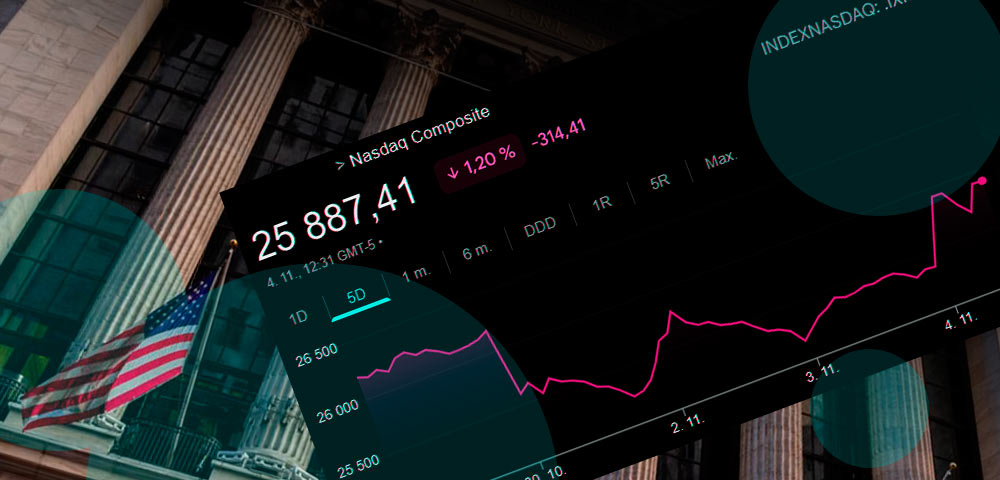
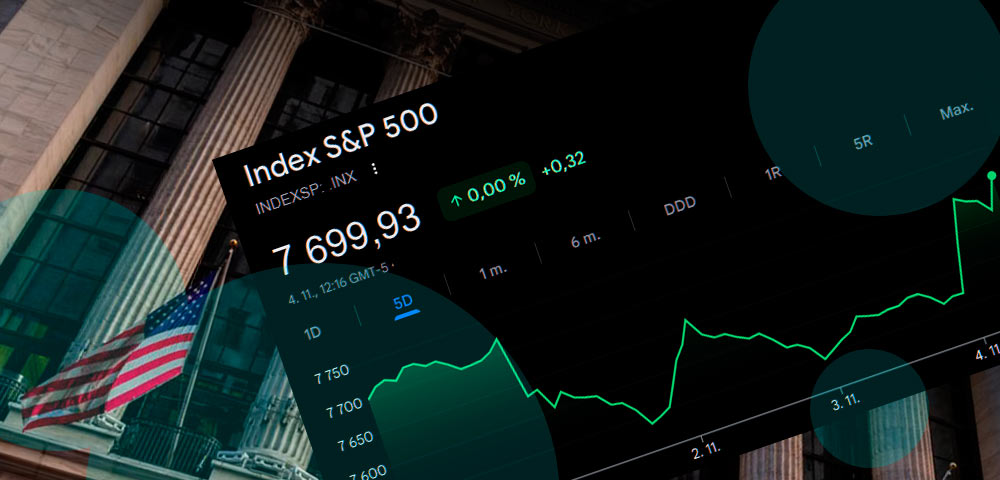
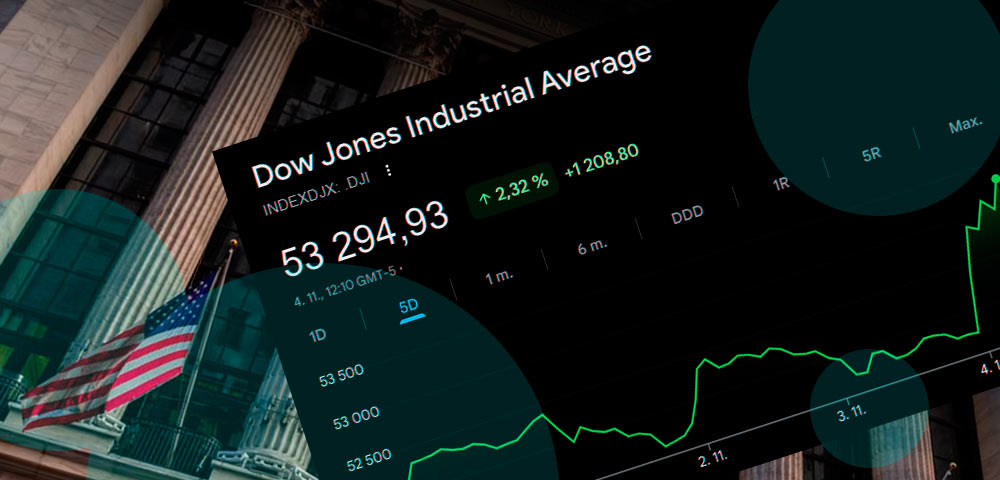
The Dow Jones Industrial Average rose 1,524 points, or 2.9%, by noon ET. The S&P 500 advanced 1.8%, while the Nasdaq Composite gained 2.1%, extending Tuesday’s recovery from a technology-led selloff that had pushed the Nasdaq-100 into correction territory earlier in the week.
- The Dow Jones Industrial Average jumped 1,524 points, or 2.9%, on November 4, while the S&P 500 gained 1.8% and the Nasdaq Composite advanced 2.1%.
- Democrats won control of both chambers of Congress, raising expectations of divided government and greater scrutiny of AI infrastructure development.
- Brent crude fell below $95 per barrel, easing inflation concerns, while Goldman Sachs and JPMorgan maintained year-end S&P 500 targets of 8,000.
The election results reduced some political uncertainty, although investors continued to assess the implications of Democratic control of Congress for technology regulation, corporate investment and economic policy.
Technology stocks recover as AI infrastructure faces regulatory risks
Major technology shares rebounded, with Amazon rising approximately 7% and Alphabet gaining more than 4%.
Semiconductor and AI infrastructure companies remained under pressure. Nvidia declined 1.3% amid concerns that stricter regulation and potential restrictions on data center construction could affect demand for advanced chips.
Democratic victories in Texas and other major technology investment markets raised questions about future AI infrastructure projects.
Investors have already been examining the financial sustainability of large capital expenditure programmes, particularly as elevated borrowing costs and pressure on free cash flow complicate financing decisions.
Falling oil prices and Treasury yields support Wall Street
Energy markets provided additional support for US equities as Brent crude dropped below $95 per barrel, compared with approximately $103 on Tuesday and $117 at the end of October.
Expectations of renewed diplomatic efforts involving Iran helped ease concerns about energy-driven inflation. US Treasury yields also declined.
Lower oil prices could reduce inflationary pressure and influence expectations for Federal Reserve interest rate policy.
The S&P 500 entered November with a year-to-date gain of approximately 10%, despite the market correction in October.
Investors are now awaiting the October US employment report, scheduled for November 6, for further evidence about economic conditions and the potential direction of monetary policy.
Wall Street banks maintain S&P 500 forecasts despite market risks
Morgan Stanley expects the current market correction to be approaching its final stages, while Goldman Sachs and JPMorgan retain year-end S&P 500 targets of 8,000.
Investment banks nevertheless continue to caution that elevated equity valuations, AI financing requirements and persistent inflation could constrain further gains.
Historical market performance has generally favoured a recovery following US midterm elections. The November 4 rally followed that pattern, although renewed volatility remains possible if corporate earnings fall short of expectations or financial conditions tighten.