- Musk spent $224 mn in Texas but Republicans lost key races
- Tesla-SpaceX merger faces greater political scrutiny
- Democratic victories raise risks for Musk’s AI infrastructure plans
- SpaceX advances Starlink mobile network despite political uncertainty
- Government contracts remain a major issue for SpaceX
- Tesla and SpaceX stock outlook after the midterm elections
Tesla (NASDAQ: TSLA) and SpaceX (NASDAQ: SPCX) shares fell sharply on November 4, 2026, after Democrats won control of both chambers of Congress and secured major victories in Texas, where Elon Musk has concentrated much of his business and political activity.
Tesla declined more than 5% shortly after the opening bell, while SpaceX, which completed its initial public offering in June, initially lost more than 7%. Both stocks subsequently recovered part of their losses.
- Elon Musk spent at least $474 mn supporting Republican candidates in the 2026 midterm elections, including approximately $224 mn in Texas.
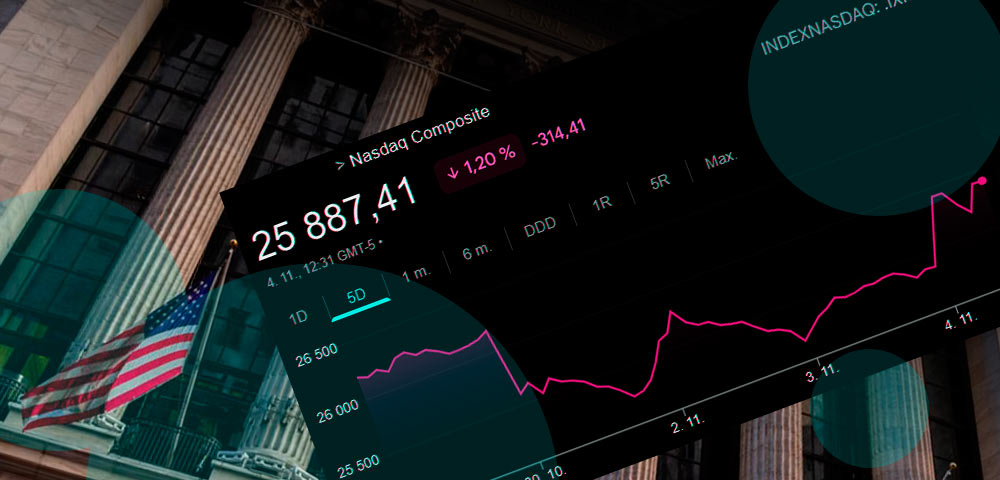
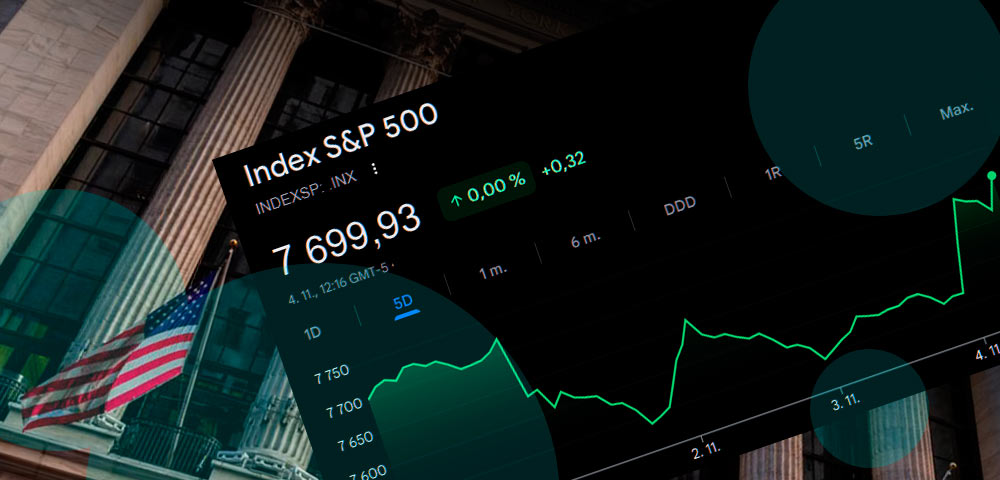
- Tesla shares fell more than 5% and SpaceX dropped over 7% in early trading on November 4, underperforming a sharply higher US stock market.
- Democratic control of Congress and major victories in Texas could increase scrutiny of Musk’s companies, including their proposed merger, government contracts and AI infrastructure plans.
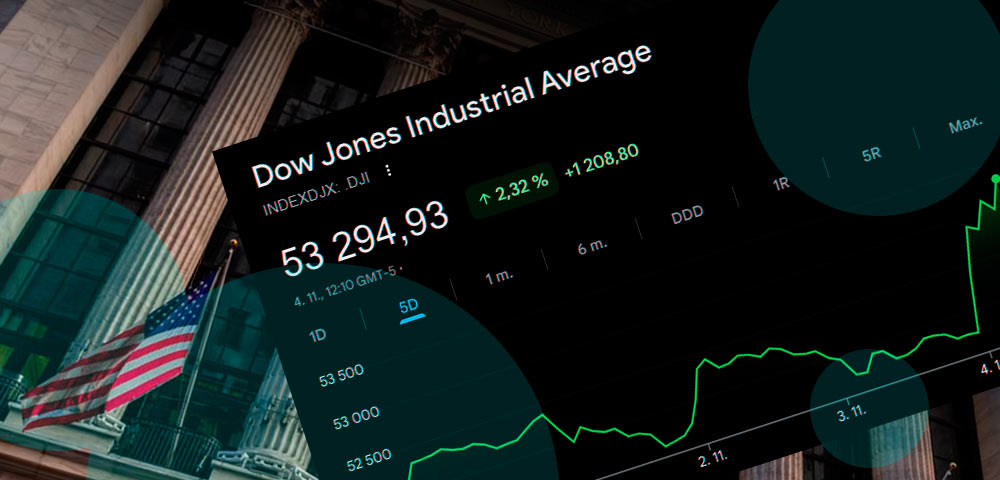
The declines contrasted with a broad Wall Street rally. The Dow Jones Industrial Average gained more than 1,200 points as investors welcomed the prospect of divided government and reduced political uncertainty.
Musk was the largest individual political donor of the election cycle, spending at least $474 mn to support Republican candidates and organizations.
The spending failed to prevent Democrats from taking the House of Representatives and Senate or ending decades of Republican control in Texas.
Musk spent $224 mn in Texas but Republicans lost key races
Texas accounted for approximately $224 mn of Musk’s political spending. A substantial portion supported Republican Senate candidate Ken Paxton, who lost to Democrat James Talarico.
Musk contributed heavily to Republican-aligned political organizations, including America PAC and the Senate Leadership Fund. In September alone, he reportedly provided $158 mn to the latter organization.
Talarico’s victory made him the first Democrat elected to the US Senate from Texas since 1988.
Democrat Gina Hinojosa also defeated incumbent Governor Greg Abbott, becoming the state’s first Democratic governor since 1995.
Musk had contributed approximately $5 mn to Abbott’s reelection campaign.
Democrats additionally won the lieutenant governor’s and attorney general’s races, fundamentally changing the political environment in a state that has attracted substantial investment from Musk’s companies.
Texas hosts the headquarters of Tesla, SpaceX and X, alongside major manufacturing, aerospace and technology operations.
The election results therefore carry direct business implications beyond Musk’s personal political involvement.
Responding to the Republican defeats, Musk wrote on X:
“Guess my election-interfering space lasers didn’t work this time.”
He also posted:
“Data centers in space looking pretty appealing right now.”
The remarks followed growing opposition to large AI data centers, particularly their electricity consumption, water requirements and effects on local infrastructure.
Tesla-SpaceX merger faces greater political scrutiny
The election introduces another complication for a potential combination of Tesla and SpaceX.
Both companies have been exploring a merger that could bring Tesla’s electric vehicles, robotics and artificial intelligence operations together with SpaceX’s launch services, satellite communications and computing infrastructure.
A transaction would combine two of Musk’s most valuable businesses and could create one of the world’s largest publicly traded companies.
However, Democratic lawmakers have already raised concerns about Musk’s influence over federal agencies, government contracts and technology infrastructure.
Congressional investigations could increase scrutiny of the proposed transaction, including related-party governance, competition, federal procurement and shareholder interests.
Congress cannot independently veto a corporate merger. Nevertheless, hearings, investigations and requests for information could increase execution risks and complicate the regulatory process.
Analysts also expect potential disagreements over the transaction’s valuation and ownership structure.
Tesla and SpaceX shareholders would need to assess how the companies’ businesses, financial obligations and future investment requirements would be combined.
The proposed merger remains under consideration, with no completed transaction announced.
Democratic victories raise risks for Musk’s AI infrastructure plans
The Texas election could have particularly significant implications for artificial intelligence development.
Governor-elect Hinojosa has advocated a temporary halt to new data center construction while the state reviews the industry’s effects on electricity infrastructure, water resources and household utility bills.
The proposal reflects growing political opposition to rapid AI infrastructure expansion.
For companies developing large computing facilities, new restrictions could delay construction, increase compliance costs and complicate access to power.
SpaceX and Tesla have increasingly positioned themselves as AI businesses, creating potential exposure to these developments. However, the implications differ across their operations.
Restrictions on conventional data centers would not automatically affect Tesla’s vehicle manufacturing or SpaceX’s launch business. They could nevertheless influence future computing investments and partnerships involving AI infrastructure.
The broader technology market also showed a divergence on Wednesday.
Amazon, Alphabet and Microsoft rallied as investors considered whether tighter data center regulations could reduce capital expenditure and improve free cash flow.
Companies more directly dependent on the construction of new AI facilities faced selling pressure.
SpaceX advances Starlink mobile network despite political uncertainty
SpaceX announced a significant commercial development on Wednesday as Qualcomm Technologies confirmed an agreement to supply infrastructure for Starlink Mobile’s planned nationwide cellular network.
Under the multiyear arrangement, Qualcomm will provide cellular hardware, baseband processing technology and software for terrestrial 5G base stations.
The partnership would help SpaceX expand Starlink beyond satellite broadband into a combined satellite and terrestrial wireless service.
The proposed network could eventually compete with established US telecommunications operators, including AT&T, Verizon and T-Mobile.
However, expansion into conventional mobile services introduces additional regulatory requirements involving wireless spectrum, network infrastructure and competition.
Greater congressional scrutiny of Musk’s business empire could complicate the political environment surrounding these plans, although the election results do not directly prevent SpaceX from proceeding with its Qualcomm agreement.
The network’s development will depend on commercial investment, regulatory approvals and deployment schedules.
Government contracts remain a major issue for SpaceX
SpaceX’s relationship with the US government is another potential focus for Democratic lawmakers.
The company provides launch services, satellite communications and other capabilities to federal agencies, including NASA and the Department of Defense.
Its government business has expanded as Starlink and other SpaceX technologies have become increasingly important to communications and national security infrastructure.
Democrats have previously questioned Musk’s involvement in federal government operations and the potential conflicts of interest associated with his companies’ contracts.
Senator Edward Markey signaled that technology executives could face extensive congressional investigations following the election.
Such inquiries could examine procurement arrangements, contracting procedures and the relationship between Musk’s political activities and his businesses.
However, increased oversight does not necessarily imply that existing government contracts will be canceled.
SpaceX remains an important supplier of launch and communications capabilities, and decisions affecting individual contracts would depend on their terms and applicable procurement rules.
Tesla and SpaceX stock outlook after the midterm elections
The immediate market reaction reflects increased political and regulatory uncertainty rather than a confirmed deterioration in either company’s operations.
- For Tesla, investors will continue to assess vehicle demand, margins, autonomous driving development and the financial implications of a possible SpaceX merger.
- SpaceX faces a different combination of risks, including Starlink network investment, launch economics, government contracts and its expansion into wireless telecommunications.
The proposed merger adds uncertainty for both stocks because its valuation, timing and final structure remain unresolved.
Three developments are likely to determine investor sentiment over the coming weeks:
- Whether Democratic lawmakers initiate investigations involving Musk’s federal contracts, government relationships or proposed corporate transactions.
- Whether the incoming administration advances restrictions on data center construction or changes policies affecting major technology investments.
- Whether Tesla and SpaceX provide a formal transaction proposal, including valuation, shareholder terms and financing arrangements.
Musk’s election spending was intended to preserve a political environment favorable to his companies, particularly in Texas. Instead, the results have strengthened lawmakers who have expressed concerns about his political influence and business activities.
The November 4 selloff shows that investors are reassessing those risks even as the broader US stock market rallies.
For Tesla and SpaceX, the central question is how much the new political environment will affect their expansion plans, regulatory obligations and potential merger.