Five US federal agencies have warned businesses to strengthen cybersecurity protections for industrial refrigeration systems following attacks in Europe that allowed hackers to remotely alter temperatures in commercial refrigerators and freezers.
The Cybersecurity and Infrastructure Security Agency (CISA), FBI and the departments of Health and Human Services, Agriculture and Transportation issued a joint advisory on Thursday, citing ongoing cyber threats to refrigeration equipment used in healthcare, food retail, agriculture and transportation.
- Five US federal agencies have warned businesses about cyberattacks targeting internet-connected industrial refrigeration systems.
- Attacks in Europe have disrupted supermarket refrigeration and reportedly targeted blood bank storage, while outages at six US military bases are under investigation.
- CISA recommends stronger passwords, software updates and disconnecting refrigeration controls from the internet where possible.
According to CISA, attackers are exploiting vulnerabilities in unpatched systems and equipment connected to the internet. Unauthorized temperature changes could spoil stored products, damage equipment and create fire hazards.
If successfully exploited, the actors could change the temperature and possibly cause physical impacts such as fire hazards, loss of inventory and changes to the service life of the system.
The agencies did not confirm whether any US refrigeration systems had been compromised in the attacks described in the advisory.
Cyberattacks disrupt refrigeration across Europe
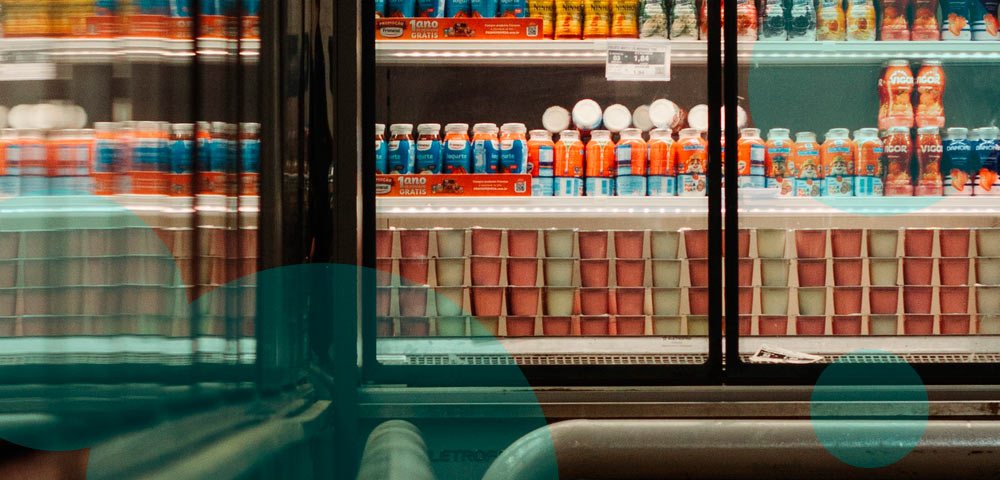
The warning follows a series of incidents involving commercial refrigeration systems in European grocery stores.
Retailers in Luxembourg, Belgium and Sweden reported unexpected temperature increases in refrigerators and freezers, resulting in spoiled food and inventory losses. Similar attacks have affected French grocery stores.
French officials also reported that hackers had targeted the country’s national emergency blood supply network, attempting to raise storage temperatures at several blood banks.
The incidents demonstrate how attacks on connected refrigeration controls can affect physical operations without requiring hackers to access conventional business systems.
In the United States, refrigeration outages were reported at six military bases in August.
Thomas Hamilton, a public affairs officer for the Department of the Army Criminal Investigation Division, told CBS News that the federal law enforcement agency had opened an investigation into those incidents.
The cause of the military refrigeration disruptions has not been publicly established.
CISA urges businesses to secure refrigeration controls
Federal agencies advised organizations using industrial refrigeration to review how their equipment is connected, maintained and protected against unauthorized access.
CISA’s recommendations include changing passwords, installing software updates that address known vulnerabilities and disconnecting refrigeration devices from the internet where remote connectivity is unnecessary.
The advisory applies to businesses and facilities that depend on temperature-controlled storage, including supermarkets, medical laboratories, healthcare providers, agricultural operations, transportation companies and warehouses.
“Every organization that depends on refrigeration and monitoring systems should assume it could be a target,” said Chris Butera, CISA’s acting executive assistant director for cybersecurity.
The risks extend beyond temporary equipment outages. Temperature manipulation can compromise perishable food, medical supplies and other products requiring controlled storage conditions.
Security experts expect further refrigeration attacks
Joshua Corman, executive-in-residence for public safety and resilience at the Institute for Security and Technology, warned that similar attacks could affect US facilities. He identified medical laboratories, grocery stores and bulk storage warehouses as potential targets because their operations depend on reliable refrigeration.
The incidents in Europe and the investigation into US military refrigeration outages have increased concern about the security of internet-connected industrial equipment.
Federal agencies are urging operators to address exposed systems and known vulnerabilities before attackers can manipulate refrigeration temperatures or disrupt essential storage operations.