Overview
About 20.8 mn Medicare beneficiaries are receiving a one-time $90 payment in October, with most deposits being sent through the Social Security Administration. The money isn’t a new Social Security benefit. It is a Medicare Part B premium rebate funded through the Medicare Improvement Fund.
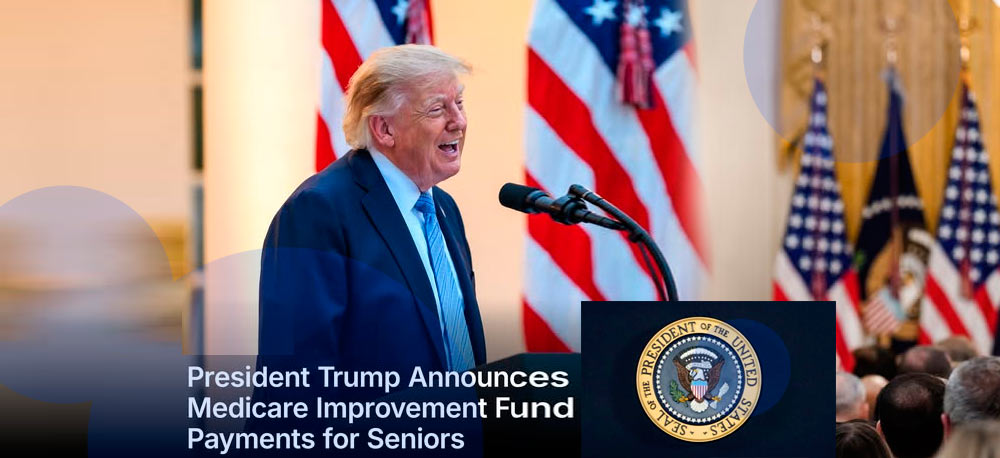
The Trump administration announced the rebate for certain people enrolled in Original Medicare Part B, which covers doctors’ services, outpatient care, medical equipment and other services outside Medicare Part A. Most eligible recipients are expected to receive a $90 direct deposit on or around Oct. 8.
That explains why some Social Security recipients are seeing an unexpected $90 deposit while millions of other Medicare beneficiaries aren’t receiving anything. Eligibility depends on the type of Medicare coverage a person has, where they live and whether they receive certain forms of premium assistance or pay income-related Medicare premiums.
Who qualifies for the $90 Medicare payment?
CMS says 20.8 mn Americans qualify for the rebate. Eligible recipients must be enrolled in Original Medicare Part B, live in the United States, not receive Medicare premium assistance from Medicaid and not pay an Income-Related Monthly Adjustment Amount, or IRMAA.
People enrolled in Medicare Advantage aren’t eligible. Higher-income beneficiaries who pay an income-related adjustment on top of the standard Part B premium are also excluded, as are beneficiaries receiving Medicaid assistance with their premiums and people living outside the U.S.
Those requirements leave roughly 40 mn Part B beneficiaries outside the rebate program.
Juliette Cubanski, vice president and director of the Program on Medicare Policy at KFF, told CBS News that excluding people who pay income-related premiums appears to reflect their higher incomes and greater ability to absorb rising Medicare costs.
Medicare Advantage members are covered through a different structure from Original Medicare, which also explains their exclusion from this payment.
How the $90 payment will arrive
Most eligible beneficiaries will receive the rebate by direct deposit from the Social Security Administration on or around Oct. 8. Some recipients reported seeing either completed or pending payments earlier in the week.
People who don’t receive Medicare-related payments by direct deposit will instead receive a paper check from the U.S. Department of the Treasury later in October. CMS says those checks will state: Medicare Improvement Fund Payment; $90 Payment to Offset October Premium.
Beneficiaries unsure about eligibility can contact 1-800-MEDICARE. CMS says people checking the status of an expected payment should contact the Social Security Administration beginning Oct. 15.
The payment comes from the Medicare Improvement Fund, which Congress created in 2008 to finance improvements to Original Medicare Parts A and B. CMS describes the October payment as a premium rebate intended to make Medicare coverage more affordable.
Part B premiums increased by more than $200 this year
The $90 payment arrives after a substantial increase in Medicare Part B premiums in 2026. The standard monthly premium rose from $185 in 2025 to $202.90 this year, an increase of $17.90 per month or $214.80 over a full year.
The Medicare trustees currently estimate the standard monthly Part B premium will rise again to $209.50 in 2027. That would add another $6.60 a month, or $79.20 annually, compared with the 2026 rate.
The one-time $90 rebate therefore covers less than half of the annual increase beneficiaries faced in the standard Part B premium during 2026. It would slightly exceed the currently projected annual increase for 2027, although next year’s final Part B premium hasn’t yet been set.
Healthcare costs remain a concern for Medicare beneficiaries
The payment comes as healthcare expenses continue to weigh on household budgets, including those of older Americans. Rising premiums, deductibles and other out-of-pocket costs have kept healthcare affordability near the top of financial concerns measured in national surveys.
For Medicare beneficiaries, the October payment is narrow in scope. It isn’t a recurring increase in Social Security benefits, isn’t available to all Medicare recipients and doesn’t change the underlying Part B premium.
Instead, one $90 rebate is being sent to eligible Original Medicare Part B beneficiaries. About 20.8 mn people qualify, while roughly 40 mn others are excluded because they have Medicare Advantage, pay income-related premiums, receive Medicaid premium assistance or don’t live in the United States.