Calling rising wildfire-driven insurance costs an urgent problem, a new report from Headwaters Economics and the Columbia Climate School lays out options to ease the growing financial strain on Montana property owners.
Property insurance rates are climbing nationwide, but the pace accelerates in regions exposed to climate-related perils. That pattern was flagged earlier this year by the U.S. Treasury Department, which also found higher policy non-renewal rates in areas facing the greatest expected climate losses.
Coverage isn’t just getting pricier. It’s getting harder to keep.
The Montana-focused analysis examines five possible strategies to help high-risk communities access insurance. The list ranges from community risk pooling to agricultural-style risk models and broader state-level reform, Beinsure says.
Montana Insurance Commissioner James Brown said the state could see the fifth-largest increase in property insurance premiums this year, citing data from the National Association of Realtors. The numbers already tell a story.
Montana policyholders paid just over $4 bn in property premiums in 2013. By 2022, that figure had climbed to nearly $7.4 bn, according to the National Association of Insurance Commissioners.
Brown pointed directly to fire risk in a May letter. Nearly 70% of all wildfires recorded in Montana have occurred since 2000. Fires last longer, burn hotter, and destroy more.
At the same time, population growth and rising home values inflate replacement costs. Premiums follow. Brown estimated that about half of all properties in the state now face catastrophic wildfire risk.
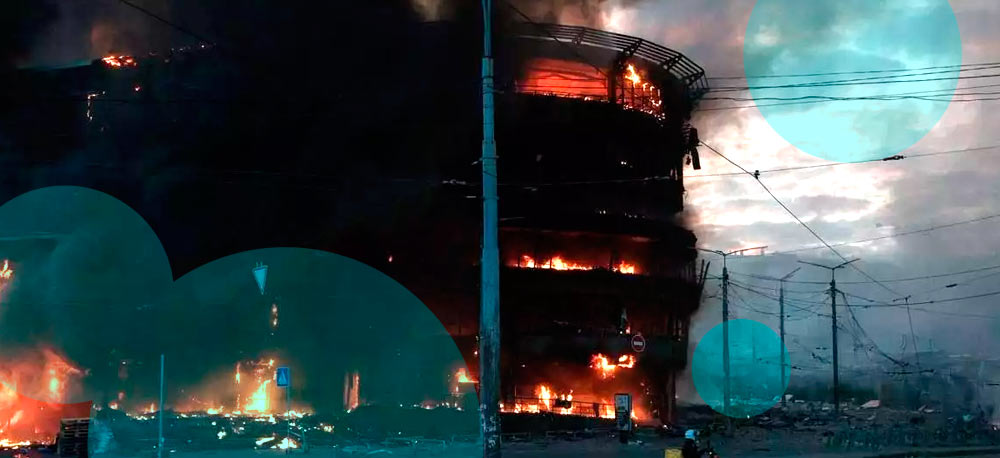
This year alone, roughly 75,000 acres burned in Montana, with at least one primary residence lost, according to the Montana Department of Natural Resources and Conservation. Large-loss fires that destroy clusters of structures, once rare, are becoming more common.
Recent examples near Los Angeles, such as the Eaton and Palisades fires, underscore how quickly losses can spiral.
At the national level, wildfire costs are staggering. A 2023 report from the U.S. Department of the Interior estimated the annual economic burden of wildfires at $71 bn to $348 bn in 2016 dollars, or $87 bn to $424 bn in 2022 dollars.
Even that range understates reality, the report said, citing major data gaps around property damage, loss of life, and health impacts.
Suppression and mitigation spending runs into the tens of millions annually in Montana and regularly tops $1bn nationwide. Yet even heavy spending doesn’t guarantee recovery when a major fire hits.
“As the protection gap expands between those with insured losses and those without, a community’s ability to financially rebound is weakened,” the Headwaters report warns.
Municipal revenue, including property taxes, can shrink, and federal aid often fills the gap. That model strains quickly.
The authors argue that no single fix will work. They call for a layered, adaptive, and equity-focused approach.
The analysis doesn’t cover renters or the distinct challenges facing Native American communities on tribal lands, where ownership structures and federal oversight complicate access to private insurance and public aid.
The report outlines five potential pathways: voluntary certification programs, community-based catastrophe insurance, parametric policies, FAIR plans as insurers of last resort, and state regulatory reform. Each comes with trade-offs.
FAIR plans operate in states like Florida. Parametric insurance borrows from agricultural drought coverage, paying out based on predefined triggers rather than assessed losses.
According to Beinsure, voluntary certification has gained the most traction, said Kimi Barrett, lead wildfire research and policy analyst at Headwaters and a co-author of the report with Columbia Climate School’s Lisa Dale.
The concept ties individual action to collective benefit. Homeowners reduce risk together, through measures like defensible space and fire-resistant materials, and insurers respond.
The approach mirrors hurricane mitigation standards used in parts of the Southeast. Meet the criteria, keep coverage. Fail to adapt, face higher costs or non-renewal. Some researchers argue wildfire losses stem less from fire itself and more from where and how homes are built. Better codes, better materials, fewer losses.
Colorado offers a recent example. The state adopted a wildfire code this year that requires a home-hardening inspection at the point of sale.
The Headwaters report also flags behavioral hurdles. Many homeowners still expect external protection, from firefighters, disaster aid, or insurance backstops.
Shifting that mindset takes work. When residents accept personal responsibility for reducing risk, the cost of mitigation becomes easier to swallow. Getting there requires sustained public outreach.
Population trends complicate the picture. According to the Montana Environmental Information Center, new home construction in wildfire-prone areas doubled between 1990 and 2020. Growth in the Bitterroot and Flathead Valleys stands out, though grass fires pose risks elsewhere, as Denton learned in 2021.
Montana lawmakers are now reviewing property insurance issues through an interim committee, alongside a separate wildfire study bill. Those discussions could feed into legislation during the 2027 session. The authors hope the report shapes that debate.
According to Beinsure, insurers are watching one thing closely. Risk reduction that shows up on the ground. Without that, pricing pressure and non-renewals likely continue.