Follow Beinsure

Activist investors are pressing large technology companies to explain how they plan to square rising AI electricity demand with existing climate commitments. Shareholders at Amazon voted on a proposal requesting more disclosure, while voting remains open at Meta Platforms and Alphabet ahead of annual meetings later this month and in early June, according to Bloomberg.
The proposals ask each company to issue a report explaining how it will meet greenhouse gas commitments as AI and data centers drive much higher power demand.
Amazon, Meta, and Alphabet all recommended that shareholders vote against the measures in their proxy statements.
The companies argue they already provide relevant climate disclosures. Meta and Alphabet declined further comment, while Amazon said support for the proposal was lower than support for a similar measure last year.
Support for climate-focused shareholder proposals has weakened in recent years. Outcomes have disappointed some investors, and U.S. political pressure against ESG investing has increased.
Large asset managers, including BlackRock, Vanguard, and State Street, have also pulled back from these measures.
Still, the new campaign shows green shareholder activism has not disappeared, even if it is quieter than in the early 2020s.
The proposals were filed by As You Sow, Presbyterian Life & Witness, Mercy Investment Services, and Trillium Asset Management. Andrea Ranger, director of shareholder advocacy at Trillium, said tech companies risk weakening climate commitments during the AI race.
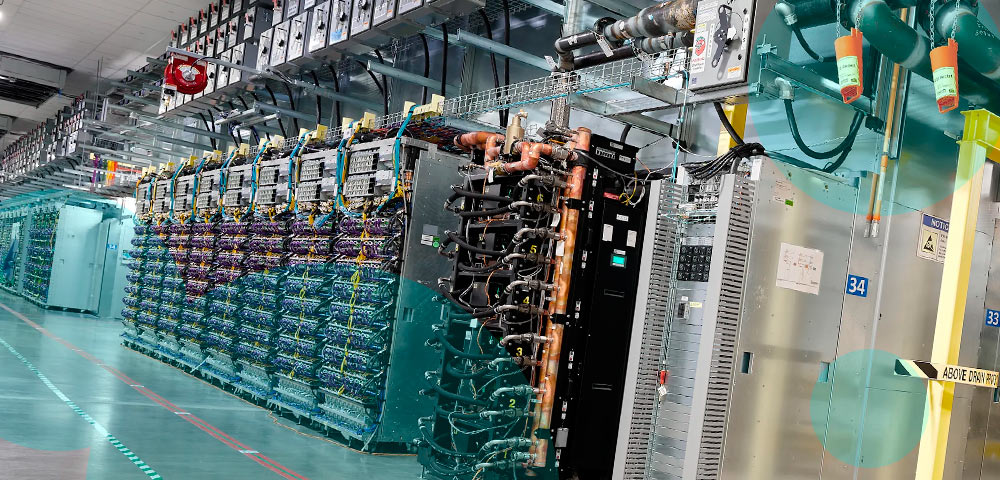
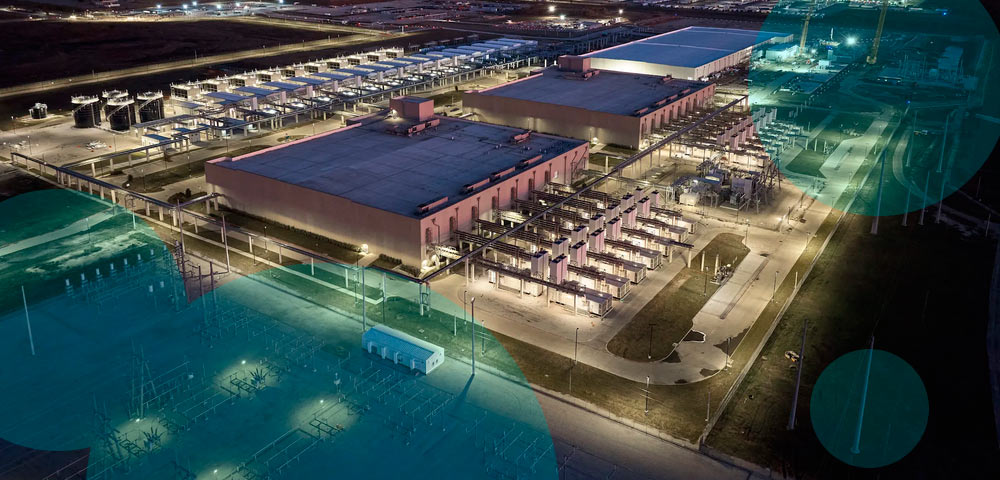
Ranger said shareholders want a credible strategy that protects climate goals while supporting leadership in AI. The tension sits in the scale of AI infrastructure now being built.
Kelly Poole, climate and energy coordinator at As You Sow, said the goal is to push more clean energy development for AI power demand. She said tech companies should commit to ensuring no new fossil fuel generation is built to serve data center growth.
Shareholders face limits in forcing corporate change. Most resolutions fail to win majority support, and even proposals that pass are usually nonbinding.
Still, investor campaigns can push companies to alter governance practices. Recent efforts led FedEx to review executive severance policies and helped persuade Netflix to require directors to stand for annual re-election.
The number of climate and environmental resolutions rose during the Biden administration. Rob Du Boff, a Bloomberg Intelligence ESG analyst, said proposals surged after Biden took office and peaked in 2024 before declining.
Support had already started falling before that peak. The pullback is not limited to the U.S., as Canadian activist investor group Investors for Paris Compliance said this week it is winding down operations.
The group said it could not deliver net-zero objectives or manage climate risk at the system level without broader legal and regulatory action. It said investor accountability works only at the margins.
Winning majority support may be harder at Meta and Alphabet because both companies use dual-class share structures. Those structures give founders and executives larger voting power and tighter control over corporate decisions.
Poole said the resolutions are less about the final vote percentage and more about giving investors a way to signal concern. She said the proposals also help educate other shareholders about the risks.
The AI data center buildout also creates a governance issue, according to Jill Fisch, a business law professor at the University of Pennsylvania.
She said boards cannot claim net-zero commitments while expanding infrastructure that worsens climate risk.
Data center expansion has also increased tensions between technology companies and local communities ahead of the November midterm elections. Concerns include higher electricity costs, grid strain, and water use tied to new AI facilities.
Those conflicts can create financial risk if projects face delays or local opposition. For tech companies racing to build AI capacity, power supply is no longer only an infrastructure issue.