Follow Beinsure
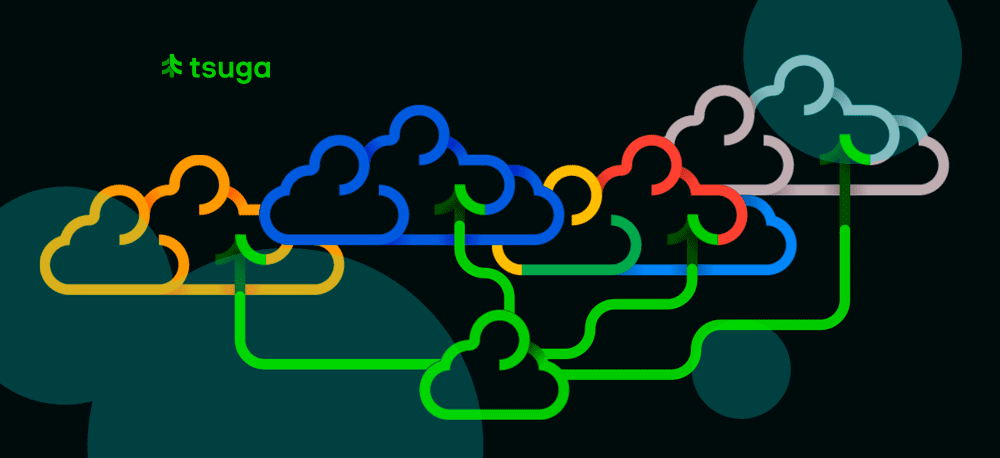
Tsuga raised €30 mn in a Series A round to expand its go-to-market operations and accelerate deployment of its AI-Native Resilient Observability platform.
According to Beinsure, existing investor Singular led the financing with participation from General Catalyst, DST Global Partners, QuantumLight, Picus and Databricks Ventures, according to Beinsure.
The funding reflects continued investor interest in infrastructure supporting AI deployment, enterprise cloud operations, software delivery and data governance.
Founded in 2024, Tsuga deploys its platform inside customers’ cloud environments across Microsoft Azure, AWS, Google Cloud and regional sovereign cloud providers. The architecture keeps telemetry inside customer infrastructure instead of transferring operational data to third-party cloud platforms.
The company said traditional observability vendors built their business around collecting telemetry, storing it externally and charging customers as data volumes increased. Tsuga argues artificial intelligence workloads generate substantially larger volumes of telemetry through autonomous agents, deployment pipelines and token interactions, making legacy pricing models increasingly difficult for enterprises to manage.
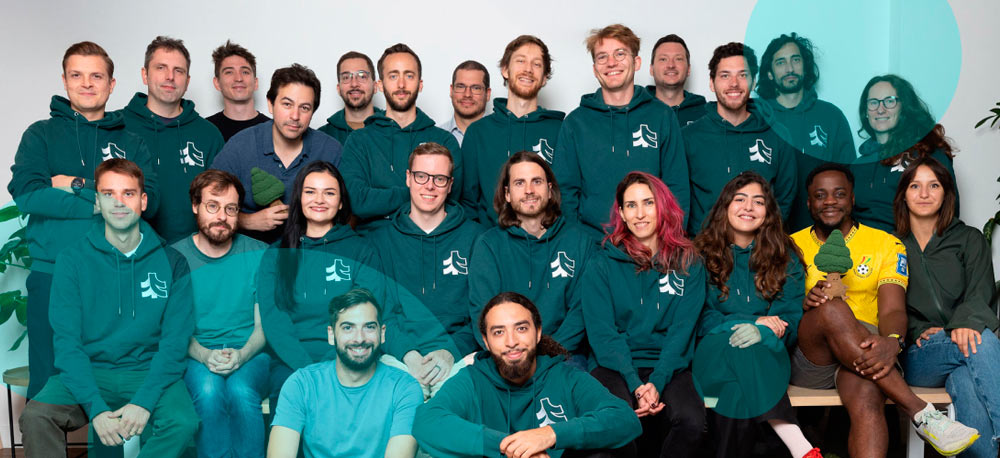
Gabriel-James Safar, co-founder and CEO of Tsuga, said observability vendors built successful businesses around an architecture suited to an earlier generation of software. He said customers now pay more for observability than they did two years ago while receiving weaker coverage as sampling increases. Safar added Tsuga developed its platform to remove those constraints.
The incumbents built good businesses on a model that no longer works. Sending your telemetry to a vendor’s cloud made sense when data volumes were manageable and AI was not writing and deploying your code. Neither of those things is true any more.
Gabriel-James Safar, co-founder and CEO, Tsuga
“Every customer we speak to is paying more for observability than they were two years ago and getting less reliable coverage. We built Tsuga to end that,” says Gabriel-James Safar.
The platform processes complete telemetry datasets without sampling. The company said automated root cause analysis, AI agents, its MCP server and CLI tools all operate inside the customer’s security perimeter without moving operational data outside corporate infrastructure.
Tsuga charges customers a single rate per GB of consumption. The company said its engineering teams continuously optimise customer environments, reducing processed data volumes over time instead of increasing infrastructure costs.
Six months after emerging from stealth, Tsuga reported several million dollars in contracted annual recurring revenue with average contract values in the six-figure range.
Customers include Black Forest Labs, Le Monde, Camunda and Buk. Le Monde used the platform to monitor infrastructure during the French municipal elections, while Camunda and Buk deployed it across multi-cloud environments with strict data residency requirements.
Henri Tilloy, Partner at Singular, said Tsuga removes structural limitations associated with traditional observability platforms by keeping customer data inside existing cloud environments. He said the approach eliminates infrastructure duplication, sampling compromises and governance concerns.
General Catalyst Partner Alexandre Momeni said AI-native applications require observability platforms built for distributed cloud environments. He added Tsuga’s architecture, spanning storage technology through its commercial model, supports those operational requirements.
Tsuga has the architectural scalability, flexibility and distributed platform support that the coming generation of AI-native applications and agents require in their observability platform. This is a step-function change only possible because of their innovation across the full stack, from the storage layer to the business model
Alexandre Momeni, Partner of General Catalyst
The new funding will support hiring, expand forward-deployed engineering teams and accelerate development of the company’s Skills library, MCP server and agent-building toolchain. Tsuga said those investments will strengthen enterprise AI operations while giving customers greater control over observability data inside their own infrastructure.