Amazon and GoodRx are drawing more customers to monthly prescription subscriptions as Americans face higher healthcare costs, larger deductibles and fewer insurance options.
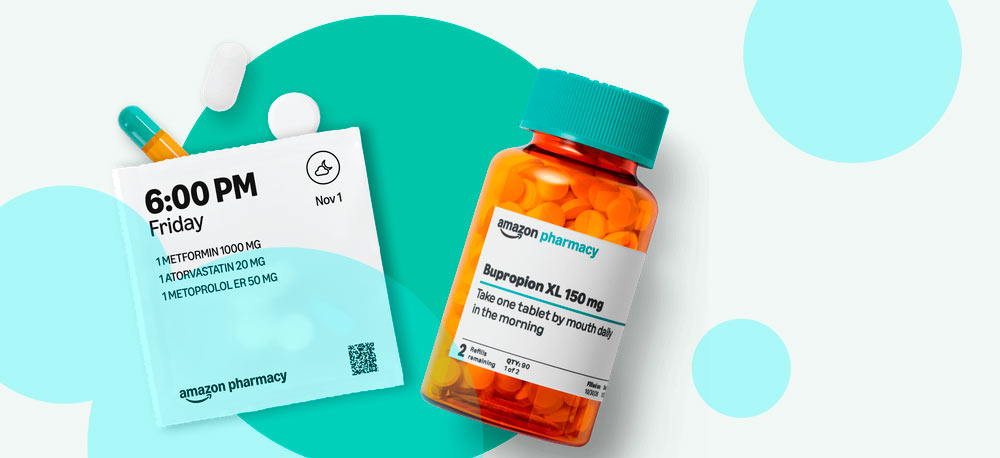
The services charge a flat monthly fee for access to selected generic medicines. Amazon’s RxPass costs $5 a month for Prime members, while GoodRx Companion costs $14.99 a month and includes free or discounted generic drugs plus lower prices for telehealth, dental, vision, laboratory and imaging services.
These programs aren’t health insurance. For people taking several regular prescriptions, though, the monthly charge sometimes works out below insurance copays or cash prices for the same medicines.
“If someone is on multiple drugs, this kind of subscription can make a lot of sense,” Truist analyst Jailendra Singh told Reuters.
The shift comes as health insurance premiums and out-of-pocket spending continue to rise. Millions of Americans dropped individual Affordable Care Act plans in 2026, while benefits consultants expect employer healthcare costs to rise by as much as 11% in 2027.
Amazon RxPass customers nearly triple since 2023
Amazon launched RxPass in 2023 as a pharmacy benefit for Prime members. Subscribers pay $5 each month for all eligible prescriptions on the program’s list, rather than paying separately for each drug.
The service now includes more than 50 generic medications used for conditions such as high blood pressure, anxiety and high cholesterol. Amazon says subscribers receive eligible refills as often as prescribed for the same monthly fee.
John Love, vice president at Amazon Pharmacy, said the number of customers using RxPass has grown nearly threefold since launch. More than 70% of participants fill three or more different medications through the program, according to Amazon.
Love said RxPass attracts customers both with and without health coverage, with many choosing to pay cash for their prescriptions. Mental health and cardiovascular medicines are among the common categories filled through the program.
The $5 monthly charge also offers consumers a predictable alternative when insurance leaves them with high deductibles or uncovered prescriptions.
William Soliman, chief investment officer at White Manna Capital Partners, said people enrolled in high-deductible plans increasingly compare insurance prices with direct cash-pay options. He said Amazon’s fixed monthly price is easier to understand during periods when coverage and out-of-pocket costs are changing.
GoodRx subscription revenue rises 39%
GoodRx has also expanded its subscription business. The company introduced Companion in May at $14.99 a month, combining prescription discounts with lower-cost access to other healthcare services.
GoodRx reported $28.5 mn in total subscription revenue for the second quarter of 2026, up 39% from a year earlier. Subscription plans, including Companion and older GoodRx programs, recorded a 14% increase during the quarter.
Companion offers more than 200 generic medications at no charge and hundreds more for less than $10, according to GoodRx. Members also receive $19 online care visits and discounts on dental, vision, lab and imaging services.
GoodRx CEO Wendy Barnes said rising deductibles, higher out-of-pocket expenses and narrower drug formularies are pushing consumers toward alternatives. She described Companion as a supplement to health insurance rather than a replacement for broader medical coverage.
GoodRx shares were up 22% for the year at the time of the Reuters report, while Amazon shares had gained 7%.
Generic drug coverage remains limited
Prescription subscriptions cover only part of the U.S. generic drug market. Amazon offers more than 50 medicines through RxPass, while GoodRx Companion includes more than 200 free generics and additional discounted products. The U.S. market contains tens of thousands of approved generic drugs, so eligibility depends heavily on the medication a patient takes.
Prices for generics also vary widely. Some cost only a few dollars without insurance, while others remain considerably more expensive, which changes the economics of a monthly subscription for each patient.
Other companies are pursuing different models. FreeRx charges $49.95 a month for virtual urgent-care appointments and access to more than 1,000 generic medicines, according to Reuters. Mark Cuban’s Cost Plus Drugs instead sells medicines based on acquisition cost plus a 15% markup.
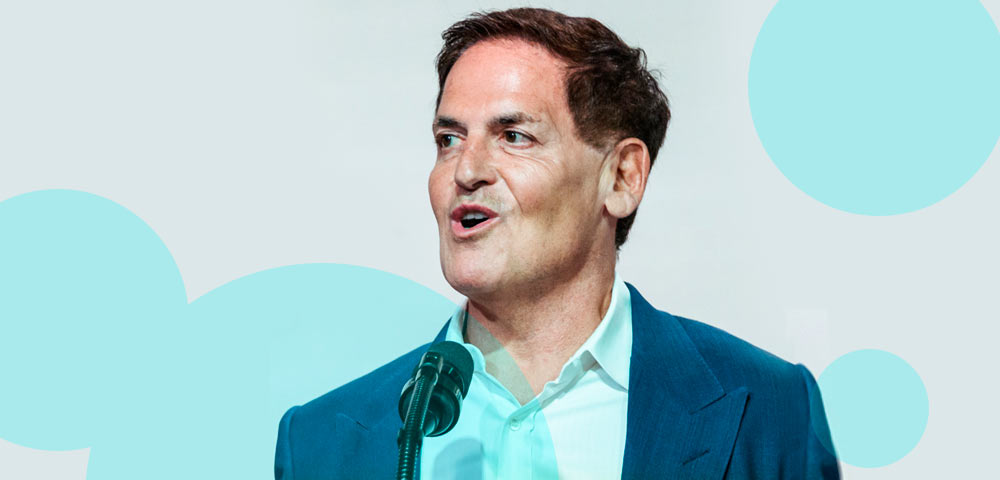
Cuban told Reuters that his company’s pricing model offers better long-term value than a subscription. The comparison depends on which drugs a customer uses, their insurance terms and the prices available through competing cash-pay programs.
Subscriptions also feed customers into broader healthcare businesses. Amazon Prime members using RxPass encounter Amazon Pharmacy and discounted access to One Medical, while GoodRx Companion adds telehealth and other health-service discounts to its prescription offering.
For Amazon and GoodRx, prescription subscriptions therefore serve a larger purpose than collecting monthly fees. They give consumers another way to pay for routine medicines at a time when insurance costs are rising, while drawing repeat users deeper into each company’s healthcare services.