California relies on atmospheric rivers to replenish freshwater supplies that must last through long dry seasons. That dependence now comes with rising risk. A warming climate is reshaping how these storms behave, complicating reservoir management and raising the odds of destructive flooding.
With flood insurance uptake already low across the state, recovery after major events looks increasingly fragile.
Atmospheric rivers are often described as rivers in the sky because of the sheer volume of moisture they transport. They form over oceans, then release water as rain or snow once they reach land. Some are mild and predictable, delivering helpful precipitation. Others turn volatile fast.
According to the National Oceanic and Atmospheric Administration, powerful atmospheric rivers carrying dense water vapor and strong winds can cause catastrophic damage.
Flooded watersheds trigger mudslides. Winds knock down trees and power lines. Large parts of California lost electricity recently after one such system moved through.
Climate change shifts the math. Warmer oceans and higher air temperatures mean more atmospheric rivers release moisture as rain instead of snow. Scientists expect snowfall to fall sharply while rainfall totals spike. That swap matters. Snowpack acts as slow-release storage. Rain does not.
Water managers already walk a tightrope. Reservoirs need enough capacity to capture water for later use, yet enough empty space to absorb sudden surges. Get it wrong and flooding follows. As storms grow harder to predict, that balancing act becomes riskier by the year.
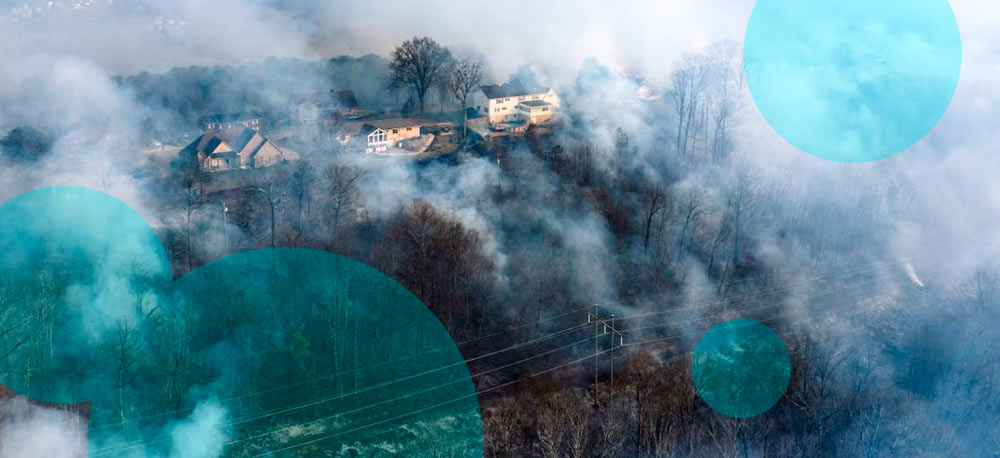
Wildfires make it worse. The Federal Emergency Management Agency warns flood risk stays elevated after fires because scorched ground no longer absorbs rain.
Even modest storms can trigger runoff and flash flooding. As fires grow more frequent, their knock-on effects amplify damage from later storms.
The trajectory points one way. More flooding. More mudslides. More homes damaged or lost. Water supply volatility increases. Planning gets harder, not easier. The systems aren’t stopping.
Insurance coverage hasn’t kept pace. Only about 7% of homeowners in California flood zones carry flood insurance. Standard homeowners policies exclude flood damage, so separate coverage is required.
Premiums keep climbing nationwide, driven by repeated disasters. Many households already feel stretched. Adding flood insurance can seem out of reach.
But when flooding hits, the absence of coverage leaves families facing repair and rebuilding costs alone, plus the loss of belongings that insurance would have replaced.
Mudslides pose another gap. Heavy rainfall during storms like atmospheric rivers often triggers slope failures. Those losses aren’t covered by standard homeowners insurance either.
Insurance coverage typically comes through flood insurance or, in limited cases, a Difference in Conditions policy. Recent storms buried homes in Southern California. The exclusions weren’t theoretical.
Given the scale of risk, waiting carries its own cost. Flood insurance can be purchased through the National Flood Insurance Program or from private insurers. Coverage decisions made early matter more as climate volatility accelerates.
When claims stall or get denied after disasters, legal help becomes relevant. Insurers don’t always move quickly when losses mount.
According to Beinsure analysts, the widening gap between climate-driven flood risk and insurance protection is becoming one of California’s most pressing household finance problems. Without coverage, recovery can slip out of reach fast.