Follow Beinsure
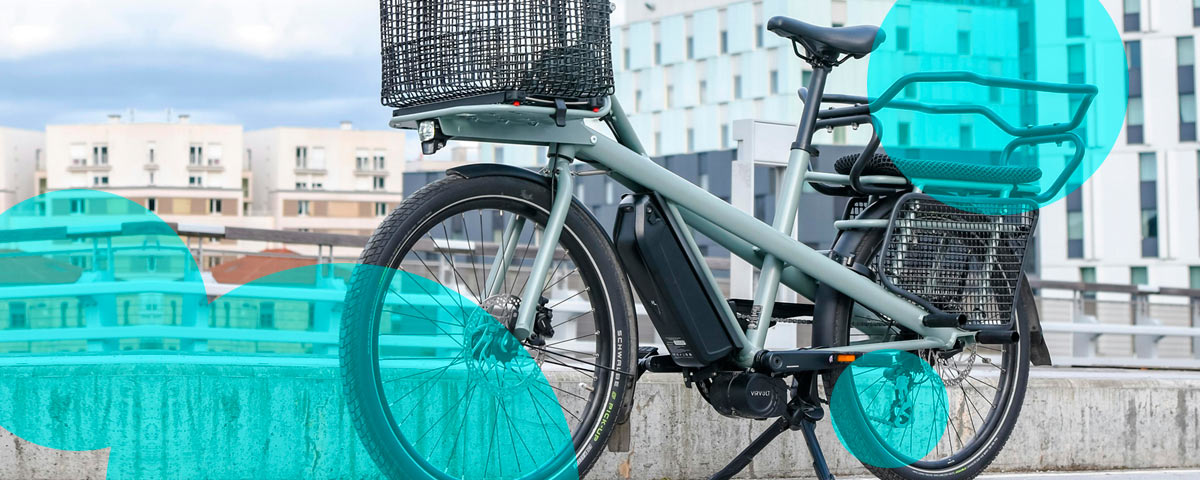
Colorado insurance experts say e-bike accidents raise difficult coverage questions for riders, drivers, and property owners. E-bikes have become more common across the state, with thousands now sharing roads, bike lanes, and neighborhood streets.
The insurance issue starts with how e-bikes fit between categories. They function like bicycles in some settings, yet they also include motorized assistance.
That split creates confusion after crashes, especially when property damage or injuries involve an uninsured rider.
Many people still do not understand how coverage applies when a vehicle hits an e-bike or when an e-bike rider causes damage.
The insurance questions around that, I don’t think that people completely understand whether you’re in a vehicle and you hit one of these or if you’re on an e-bike or e-scooter, how you’re insured
There is no simple answer under current insurance arrangements. As e-bike use rises, so do incidents involving reckless riding, property damage, and near-miss crashes.
A recent case in Arapahoe County, caught on camera, showed a rider nearly crashing into private property, according to the sheriff’s office.
The harder question comes after impact. If an e-bike rider crashes into a parked or moving car, insurance responsibility depends on fault, policy language, and whether the rider has liability protection somewhere else.
Colorado does not require e-bike riders to carry insurance in the same way drivers must insure cars. Even though e-bikes include motorized assistance, state insurance requirements do not treat them like standard vehicles for mandatory coverage purposes.
Some riders might already have protection through homeowners insurance. Liability coverage under a homeowners policy might respond when an e-bike rider injures someone or damages property, depending on the policy terms and the e-bike classification.
For drivers, the safer approach is to protect themselves before an accident happens. If an uninsured e-bike rider hits a vehicle, uninsured motorist coverage often becomes the most useful protection.
Colorado requires insurers to offer uninsured motorist coverage, but drivers do not have to buy it. The coverage deserves more attention now because roads include more types of users and more potential uninsured loss scenarios..
The practical advice for Colorado residents is straightforward. E-bike riders should ask their agent whether homeowners, renters, or umbrella liability coverage applies to their bike.
Drivers should review uninsured motorist coverage, collision coverage, and deductibles before an accident involves an e-bike.
According to Beinsure analysts, e-bike growth creates a coverage gap between personal mobility and traditional auto insurance. The exposure is still small compared with cars, but claims uncertainty grows when more motorized riders enter traffic without mandatory liability coverage.