Follow Beinsure
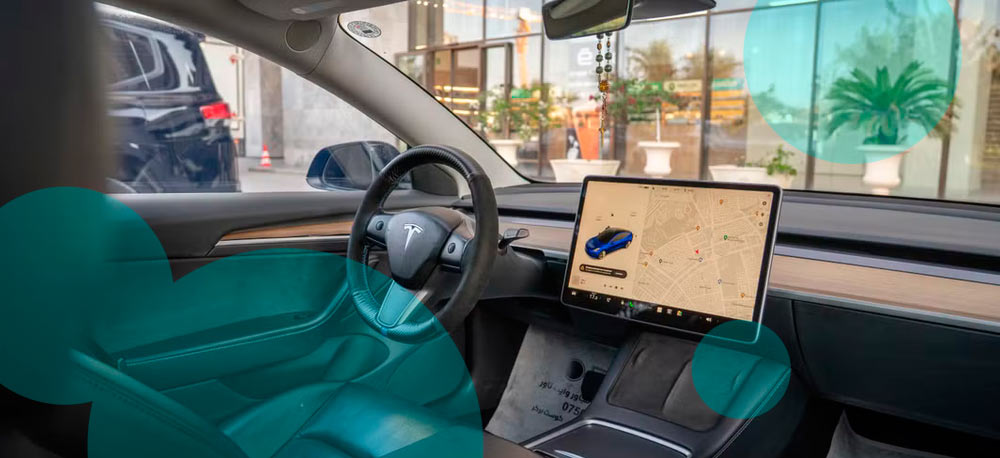
Tesla Inc. faces a lawsuit from the family of Martha Avila, a 76-year-old woman killed after a Model 3 crashed into her family home near Houston. The case was filed in Texas state court and names both Tesla and the driver, according to Bloomberg.
The complaint alleges Tesla’s automated driving technology failed to detect the end of the road and stop before the vehicle hit a brick house in Katy, Texas.
The lawsuit also includes a deceptive marketing claim against Tesla and accuses the company and the driver of negligence.
Avila was inside the home on June 18 with her daughter, son-in-law and grandchildren when the Model 3 came through the front wall. Emergency responders removed her from the wreckage and took her to hospital, where she was pronounced dead.
Justin Barbour, Avila’s son-in-law, was also injured in the crash. The case is listed as Justin Barbour v. Tesla, 202642166, in Harris County District Court.
The driver told law enforcement officers at the scene that he was using a driver-assistance system when the crash happened, according to the lawsuit. Tesla did not respond to a request for comment.
Ashok Elluswamy, Tesla’s head of AI, wrote on X that the company’s driver-assistance system was not engaged at the time of the crash. He did not provide evidence in the post.
According to Beinsure, the US National Highway Traffic Safety Administration opened a special crash investigation into the incident.
A Tesla Model 3 crashed into a brick home near Houston, an incident that garnered widespread attention after it was caught on a front-door video camera. The driver told authorities he was using an automated driver-assistance system when the vehicle left the roadway and crashed at a high rate of speed, according to a statement by the Harris County Sheriff’s Office.
Tesla has faced more than a dozen lawsuits over crashes involving alleged defects in its automated driving technology. The company has reached confidential settlements in several cases and won two California trials in 2023.
In 2025, a federal jury in Miami found Tesla partly responsible for a fatal collision with a parked SUV. The jury awarded $200 mn in punitive damages and $43 mn for pain, suffering and other losses. Tesla is appealing the verdict.