Rising homeowners insurance premiums are becoming a significant new pressure point for Colorado’s already strained housing market, reshaping affordability calculations for both buyers and sellers.
Colorado now ranks as the fourth most expensive state for property and casualty insurance, according to Loren Furman, president and CEO of the Colorado Chamber of Commerce.
Data from the National Bureau of Economic Research show that the average homeowners insurance premium in the state has climbed to about $4,100 per year, a 137% increase over the past decade, based on more than 74 mn household observations inferred from mortgage escrow payments between 2014 and 2024.
Industry leaders point to Colorado’s risk profile as a key driver. Hailstorms and escalating wildfire exposure have sharply increased loss costs, feeding through to premiums just as home prices remain elevated.
According to the Colorado Association of Realtors, the average home price in the state is now roughly $700,000, continuing a multi-year upward trend.
As a result, insurance costs are increasingly part of real estate negotiations. Cooper Thayer, a Denver-based broker and spokesperson for the Colorado Association of Realtors, said insurance premiums now regularly influence buyers’ decisions.
“Everything in housing comes down to monthly payments,” Thayer said, noting that higher insurance costs can push buyers to lower price brackets or alter the type of home they pursue.
Sellers, in turn, are sometimes adjusting asking prices to reflect rising ownership costs, including insurance, property taxes and HOA fees.
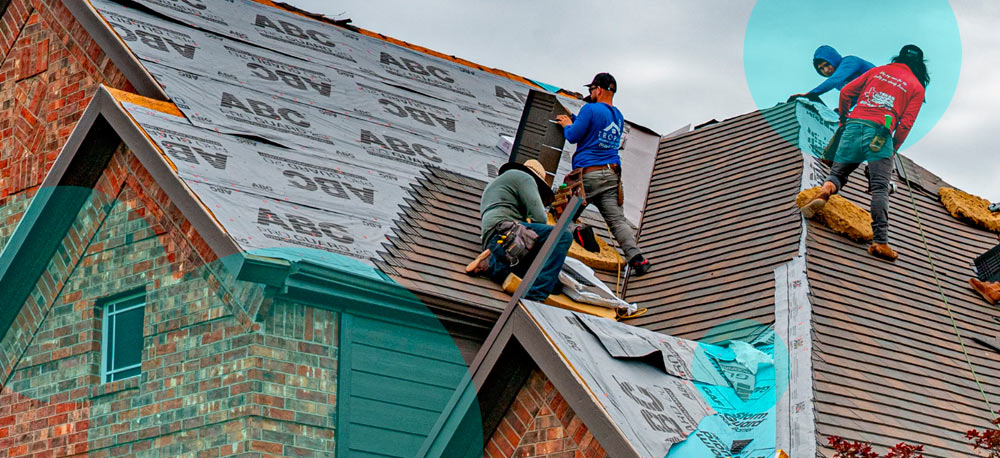
Mitigation is emerging as a partial solution. Strengthening roofs and windows to withstand hail, along with wildfire-hardening measures, could help reduce claims frequency and long-term premium pressure.
Shopping around for coverage and reviewing policies may also offer incremental savings, though experts caution these steps alone won’t reverse the broader trend.
At the policy level, the Colorado Chamber is supporting initiatives focused on long-term risk reduction, including incentives for impact-resistant roofing, wildfire mitigation programs and tax credits to offset the cost of resilience upgrades.
As climate risks intensify and Colorado’s population continues to grow, insurance costs are likely to play an even larger role in housing affordability.
While mitigation strategies and policy responses are taking shape, market participants agree relief will take time. “It’s an uphill battle,” Thayer said, “and it’s going to be a long road.”