Follow Beinsure
The Environmental Protection Agency’s inspector general has launched an investigation into the agency’s response to the 2023 Norfolk Southern train derailment in East Palestine, Ohio, following years of complaints from residents and a request from Vice President JD Vance.
The review will examine whether the EPA fulfilled its responsibilities after one of the worst US rail disasters in more than a decade and whether its public assurances about environmental safety were supported by sufficient evidence.
- The EPA’s inspector general will investigate the agency’s response to the 2023 Norfolk Southern train derailment following requests from residents and Vice President JD Vance.
- Investigators will examine whether the EPA had sufficient evidence to assure residents that East Palestine was safe despite continuing health and environmental concerns.
- Norfolk Southern’s $600 mn class action settlement remains caught in legal disputes, while a separate federal agreement covering penalties, medical monitoring and groundwater testing awaits approval.
Residents of the Ohio-Pennsylvania border community have continued raising concerns about chemical contamination and potential long-term health effects, despite EPA statements in the weeks and months following the derailment that toxic chemical levels did not remain in the area.
The investigation follows an August request from Vance and support from EPA leadership, alongside complaints submitted by residents and whistleblowers since the disaster.
EPA investigation to examine safety assurances after derailment
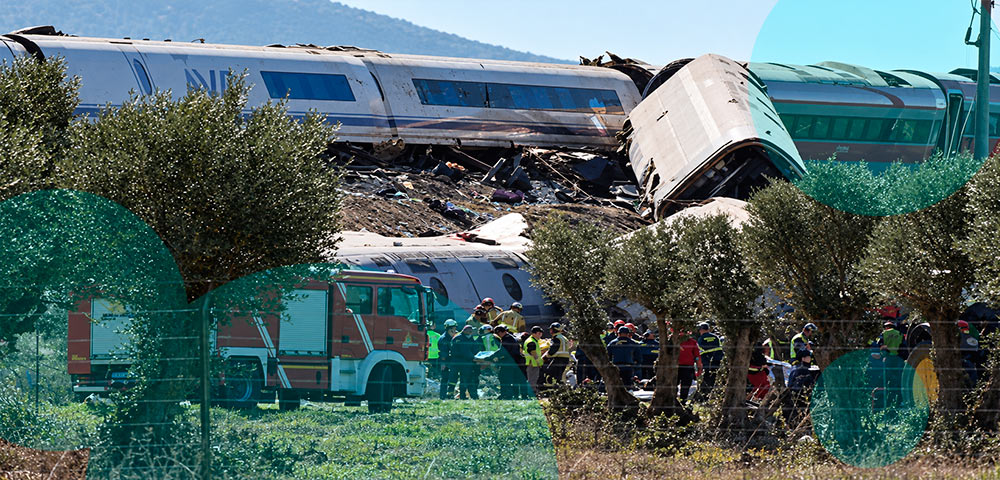
The February 2023 derailment occurred after a defective wheel bearing caused a Norfolk Southern freight train to leave the tracks. Several railcars carrying hazardous chemicals spilled their contents, which subsequently caught fire.
Residents were evacuated as emergency officials assessed the risk of an explosion. Three days after the derailment, responders deliberately breached five tank cars and burned the vinyl chloride inside, producing a large black plume that carried chemicals across several states.
The National Transportation Safety Board (NTSB) subsequently determined that the controlled release and burning of the chemicals, known as a “vent and burn”, had been unnecessary.
Emergency officials had authorised the operation because they feared the tank cars could explode and cause greater damage.
The NTSB also found that Norfolk Southern had failed to adequately inform first responders about the hazardous materials carried in the train cars. The railroad maintained that the controlled burn was intended to prevent a possible uncontrolled explosion.
The EPA Office of Inspector General will now assess the agency’s handling of the environmental response, including whether it had “sufficient data to support the agency’s public communications” about residents returning to their homes and continuing to live in East Palestine.
Independent testing specialists have questioned whether the environmental data released by the EPA adequately represented the potential risks. They have also raised concerns about the difficulty of assessing exposure to multiple chemicals when established health standards generally evaluate individual substances.
These questions have remained central to residents’ complaints about the official response and the long-term consequences of the derailment.
JD Vance calls for independent review of EPA response
Vice President JD Vance called for an independent investigation in August, publishing a letter on X that alleged the Biden-Harris administration had withheld information about public health risks from East Palestine residents.
The request, together with support from EPA leadership, helped initiate the inspector general’s review.
Vance said the findings could lead to changes in the way federal authorities respond to environmental emergencies.
“If the review identifies shortcomings, EPA will consider appropriate corrective actions that are warranted, including changes to emergency-response procedures, environmental monitoring, or interagency coordination to reduce the possibility of similar problems in the future,” he wrote.
The review will assess the EPA’s actions and the evidence behind its communications to residents rather than relying solely on the agency’s previous conclusions about environmental conditions.
It follows multiple complaints from residents and whistleblowers questioning the adequacy of the government’s response, including the scope of contamination testing and the information made available to the public.
Norfolk Southern settlements remain tied up in legal disputes
The investigation comes as financial settlements related to the derailment continue to face legal complications.
Norfolk Southern agreed to a $600 mn class action settlement with affected residents, but distribution of the money has been delayed by court proceedings and questions about the handling of funds by the original settlement administrator.
A group of residents has also filed a lawsuit alleging that attorneys involved in the class action misled claimants and pressured them into accepting the agreement.
A separate federal settlement remains under judicial review more than two years after it was proposed.
That agreement includes a $15 mn fine for Norfolk Southern and $55 mn to support medical examinations and groundwater testing over several decades. A judge has yet to approve the arrangement.
The unresolved settlements and continuing health concerns have prolonged uncertainty for East Palestine residents more than three years after the derailment.
The EPA inspector general’s investigation will provide an independent examination of the agency’s emergency response and determine whether its public statements about safety were supported by the available environmental evidence.