Follow Beinsure

Clayton Lloyd Iley, a 41-year-old insurance broker from Stephenville, Texas, was sentenced to 160 months in federal prison on October 1, 2026, after admitting to a fraud scheme involving insurance customers, a fictitious government loan program and identity theft.
U.S. District Judge Mark Pittman imposed the sentence in Fort Worth. Iley had pleaded guilty on June 17 to one count of wire fraud and one count of aggravated identity theft.
- Clayton Lloyd Iley, a 41-year-old Texas insurance broker, was sentenced to 160 months in federal prison for wire fraud and aggravated identity theft involving a fake $2 mn-plus loan program, insurance premiums and fraudulent credit cards.
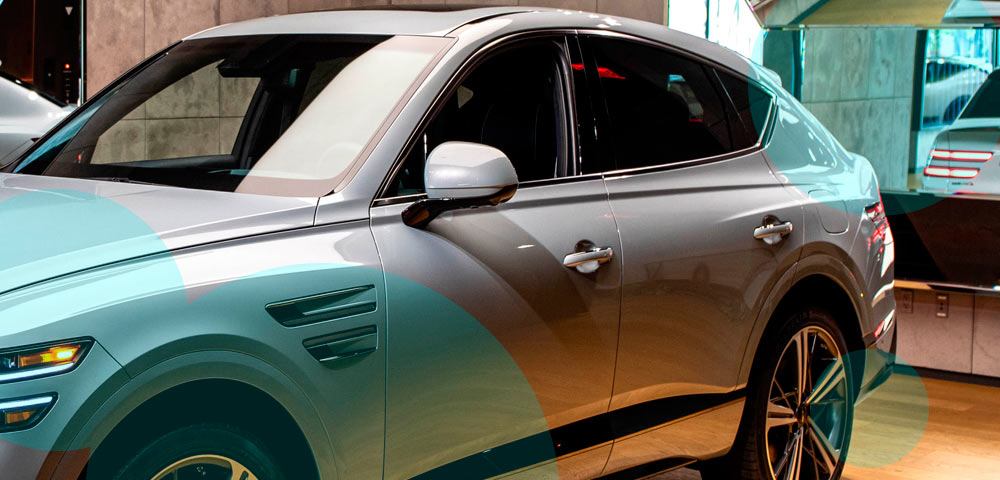
- Federal authorities identified 17 seized vehicles, including Lamborghinis, Ferraris and Maseratis, while separate reporting indicates more than 90 vehicles were involved in the forfeiture proceedings.
- More than 70 victims and restitution exceeding $6 mn were reported by NBC DFW, although the Justice Department has not independently specified those figures in its sentencing announcement.
The U.S. Department of Justice said Iley agreed to forfeit more than 90 vehicles associated with his activities. Federal authorities have identified 17 vehicles already seized, including four Lamborghinis, three Maserati MC20s, two Ferrari 488s, a Porsche Taycan and a Dodge SRT Viper.
The collection also includes military-surplus trucks, one dating from 1990. Authorities intend to sell the seized assets and use the proceeds to compensate victims.
According to federal prosecutors, Iley operated an insurance business in Cross Plains, Texas, between January 2020 and May 2026. He also conducted financial transactions through Texas Legacy Holdings and Enterprises, LLC, and Spartan Global Security, LLC, which operated under the name Black Eagle PMC.
During that period, he collected more than $2 mn from individuals participating in what he presented as a Department of Defense “Bonded Note” loan program. Prosecutors said the program did not exist.
Iley also accepted premium payments from insurance customers without purchasing the corresponding policies. In separate instances, he opened credit card accounts using victims’ identities and directed the proceeds toward personal spending and expensive vehicles.
Federal authorities seize Lamborghinis, Ferraris and Maseratis
The Justice Department’s sentencing announcement identified 17 vehicles in government custody. The collection includes four Lamborghini Aventador and Huracán models, Ferrari 488 vehicles manufactured in 2016 and 2018, and three Maserati MC20 sports cars.
Other assets include a Porsche Taycan, Toyota Tundra, Dodge SRT Viper, Jeep Gladiator, a 1968 Pontiac and three military-surplus trucks manufactured between 1989 and 1993.
The number of vehicles reported as seized has varied between official announcements.
When the U.S. Attorney’s Office for the Northern District of Texas announced Iley’s guilty plea on July 30, it reported that investigators had seized 22 vehicles. The October sentencing announcement identified 17 without explaining the difference.
NBC DFW separately reported that approximately 90 vehicles had been seized during the investigation, citing U.S. Attorney Ryan Raybould.
35 to 40 vehicles were in government possession, while others were being transferred to banks holding financial interests in them.
The Justice Department’s sentencing announcement did not provide the same breakdown or clarify how the various seizure totals were calculated.
Banks may have priority over fraud victims in vehicle forfeitures
The involvement of secured lenders could affect how much money ultimately reaches Iley’s victims. Federal forfeiture proceedings do not automatically eliminate existing loans or other legally recognised interests in seized property.
Under 21 U.S.C. § 853(n), which provides procedures applicable to federal criminal forfeiture cases, third parties claiming ownership or security interests may petition the court to establish their rights.
Generally, those claims must be submitted within 30 days of receiving the relevant notice.
Claimants must demonstrate either that their legal interest was superior to the defendant’s interest or that they acquired the property interest for value without reason to believe it was subject to forfeiture. The court determines these claims without a jury.
For example, a bank holding a valid security interest in a financed Lamborghini could argue that its claim takes precedence over the government’s forfeiture interest. Funds remaining after recognised lender claims are satisfied could then become available for victim compensation.
NBC DFW reported that the case involved well over 70 victims and a restitution order exceeding $6 mn, attributing those figures to Raybould.
The Justice Department’s sentencing release did not independently specify the victim count or total restitution amount.
If the reported $6 mn restitution figure is accurate, it would be approximately three times the more than $2 mn prosecutors specifically attributed to the fictitious Department of Defense loan program.
Recovering that amount will depend partly on the eventual sale proceeds and the financial claims attached to the seized assets.
The U.S. Marshals Service administers federal asset forfeiture sales. According to its published figures, approximately $475 mn was distributed to crime victims and claimants during 2025.
How the 160-month federal prison sentence works
Iley’s sentence of 160 months is equivalent to 13 years and four months in federal prison. The wire fraud charge carries a maximum statutory penalty of 20 years, according to the Justice Department’s earlier announcement.
Aggravated identity theft carries a separate mandatory two-year prison term under 18 U.S.C. § 1028A.
That additional sentence generally must run consecutively to the punishment imposed for the underlying fraud offense. Federal law also prohibits probation for the aggravated identity theft conviction.
The sentencing announcement did not specify how Judge Pittman allocated the 160-month sentence between the two counts.
Federal prisoners are not eligible for parole, although they may receive reductions in time served through statutory good-conduct credits.
Under 18 U.S.C. § 3624(b), eligible prisoners serving sentences longer than one year may earn up to 54 days of credit for each year of the sentence imposed.
For a 160-month sentence, that could amount to approximately 720 days, or nearly 24 months, depending on eligibility and compliance with applicable requirements.
The Federal Bureau of Prisons determines the actual release date. No projected release date was provided in the Justice Department announcement.
Insurance premium fraud left customers without coverage
Beyond the financial transactions and luxury vehicle purchases, the case involved insurance customers who paid premiums for policies that Iley never obtained. Those clients could have believed they were insured even though no corresponding coverage had been established.
For motorists, the consequences of an undisclosed lapse in coverage can extend beyond the loss of premium payments.
Texas law requires drivers to maintain liability insurance or another legally accepted form of proof of financial responsibility.
A customer who pays an insurance broker but receives no valid policy could therefore be exposed to financial and legal consequences if involved in an accident or required to demonstrate insurance coverage.
The Justice Department did not identify the specific types of policies involved or state whether any affected customers had been stopped by police, received citations or experienced unpaid insurance claims.
The available court-related announcements also do not establish the extent of any additional losses arising from the absence of coverage.
Iley’s case involved three distinct forms of misconduct: collecting funds for a nonexistent government loan program, accepting insurance premiums without securing policies and using victims’ identities to obtain credit.
The government intends to recover part of the losses through the forfeiture and sale of his vehicles, although the eventual amount available to victims will depend on asset values and competing financial claims.