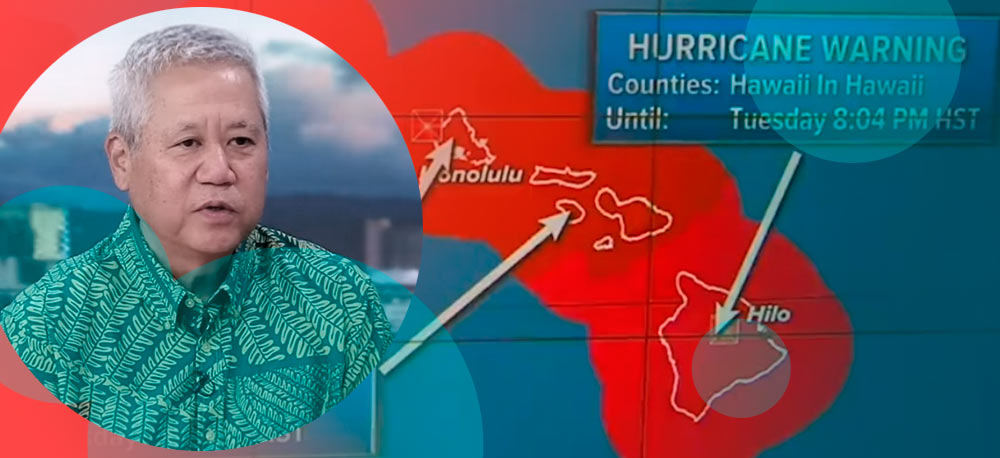
Hawaii insurance officials are urging residents to review their insurance policies before Hurricane Nolo reaches the state, warning that standard homeowners coverage doesn’t automatically protect against hurricane or flood damage.
Hawaii Insurance Commissioner Scott Saiki said many consumers pay their premiums without knowing which storm-related losses their policies cover.
Homeowners should contact their insurance agent or carrier before the storm and confirm whether they have separate hurricane and flood protection.
Most standard homeowners policies in Hawaii don’t include hurricane coverage, while flood damage requires separate insurance. The distinction matters even outside designated high-risk flood zones because heavy rainfall and storm runoff produce flooding in areas that don’t appear on traditional high-risk maps.
Saiki advised policyholders to ask their agents directly about exclusions and separate coverage requirements.
I know it gets really confusing for most people because most of us just pay a premium and we don’t really know what kind of insurance we have or what kind of insurance we need.
The warning extends beyond homeowners. Renters need their own insurance if they want protection for personal belongings because a landlord’s property policy generally covers the building rather than a tenant’s possessions.
Vehicle owners face a separate coverage issue. Drivers generally need comprehensive auto insurance for non-collision storm losses involving flooding, falling trees or other weather-related damage. Liability coverage alone doesn’t provide the same protection for damage to the insured vehicle.
Hawaii officials are advising residents to check policy limits and deductibles before Nolo arrives rather than waiting until damage occurs.
Insurers sometimes restrict the purchase of new coverage or changes to existing policies once a hurricane or tropical storm becomes an immediate threat.
Saiki has also urged insurers to give policyholders additional flexibility following Hawaii’s recent sequence of severe weather events. The state has dealt with Hurricane Lowell, Hurricane Lala and other storms during 2026, leaving some households facing repeated property damage or disruption.
In a recent directive to insurers, Saiki asked companies to work with affected customers so coverage remains in place and policies don’t lapse because of temporary financial or administrative problems following a disaster. The guidance also asked carriers to avoid unnecessary delays as policyholders submit claims and seek assistance.
At a time of a disaster, the last thing that a consumer or an affected homeowner wants to deal with is an insurance company that is not going to be cooperative.
Saiki asked insurers to explain policy requirements clearly and show flexibility toward customers dealing with storm losses.
The Insurance Division’s approach is intended to reduce problems involving cancellations, non-renewals or claims administration during recovery. Residents who believe an insurer has handled a claim unfairly or improperly cancelled coverage after a storm are being directed to file a complaint with the Hawaii Insurance Division.
For property owners who sustain damage from Nolo, documentation will become important during the claims process. Officials recommend taking photographs and video of damaged property before cleanup or repairs begin whenever doing so is safe.
Policyholders should keep records of damaged belongings, repair estimates and communications with contractors or insurers. Receipts for emergency work and temporary expenses may also be relevant depending on the policy and type of loss.
Determining the cause of damage will matter as well because hurricane, homeowners and flood policies respond to different events. Wind damage and flooding occurring during the same storm don’t necessarily fall under the same insurance contract, making documentation of the loss important when a claim involves several causes.
The state’s latest warning comes as Hawaii’s insurance market faces another major storm after several weather events earlier in 2026. For households, the immediate issue is whether their current insurance package contains the separate protections required for wind, hurricane and flood losses before Nolo reaches the islands.