Louisiana lawmakers have enacted a series of laws aimed at addressing the state’s rising home and auto insurance costs, combining tort reforms, tax deductions for home-hardening projects, and expanded authority for the insurance commissioner.
These measures have generated both support and concern from industry observers and stakeholders inside and outside Louisiana.
The legislation was signed into law in two main stages. On May 29, 2025, Gov. Jeff Landry approved the first group, which focused primarily on tort reforms.
These included requiring proof that injuries occurred during auto accidents, capping bodily injury awards for uninsured drivers, and revising rules on how much at-fault drivers can recover in damages.
Landry described the package as the largest tort reform effort in Louisiana’s history.
Insurance Commissioner Tim Temple called the reforms a “significant step” toward addressing the state’s litigation and bodily injury claim issues. He noted that while not all desired measures passed this year, the enacted laws aim to discourage frivolous claims and excessive litigation.
We did not pass everything we needed to on auto insurance and legal reform this year, but the legislation we did pass is focused on disincentivizing frivolous claims and litigation
Insurance Commissioner Tim Temple
Not all litigation-related proposals advanced. Landry vetoed a bill that sought to reduce lawsuits against insurers by modifying bad faith complaint rules.
In his veto message, Landry argued the measure could have permitted insurers to deny valid claims, created legal uncertainty, and restricted policyholders’ ability to seek recourse.
The May legislation also included House Bill 148, which empowers the insurance commissioner to adjust rate requests deemed unreasonable.
Landry stated the measure aligns Louisiana’s regulatory authority with that of neighboring states. However, industry groups raised concerns.
Mark Friedlander, senior director of media relations for the Insurance Information Institute, warned that granting the commissioner discretionary authority over rate approvals without relying solely on industry data and actuarial analysis could inject politics into the process.
He also criticized the requirement for insurers to disclose proprietary ratemaking information publicly, which he argued undermines fair competition.
Friedlander compared the law to California’s regulations, which he said caused carriers to retreat from the market, leaving consumers with fewer options and higher prices.
Temple echoed these criticisms, contending the law overregulates Louisiana’s market, making it less competitive and less stable.
On June 30, Landry signed the second set of bills. This group allowed stated-value home insurance policies, prohibited the inclusion of advertising expenses in rate filings, and required insurers to notify policyholders when credit scores influence premiums.
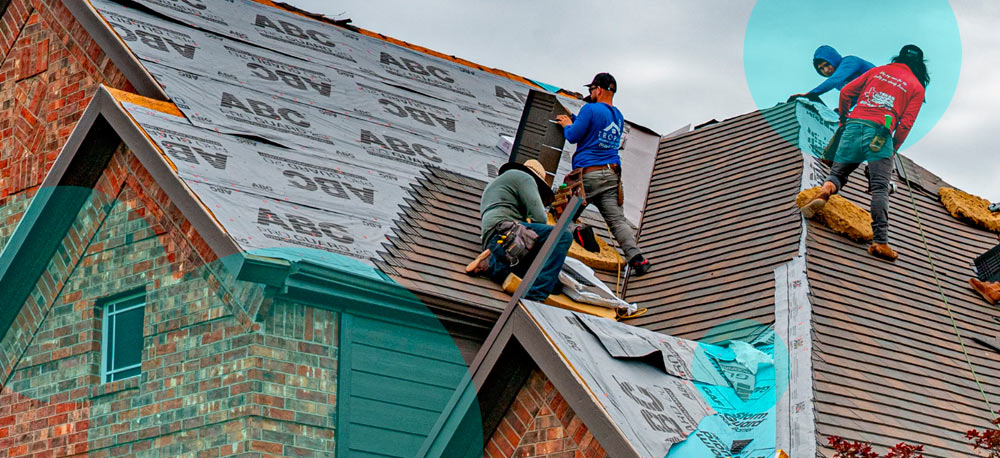
Also included in the June measures was House Bill 145, which provides tax deductions for homeowners installing fortified roofs that meet or exceed Insurance Institute for Business and Home Safety standards. Homeowners may deduct up to $10,000 per retrofitted structure annually.