A strong nor’easter brought coastal flooding, heavy rain and damaging winds to parts of the US East Coast over the weekend.
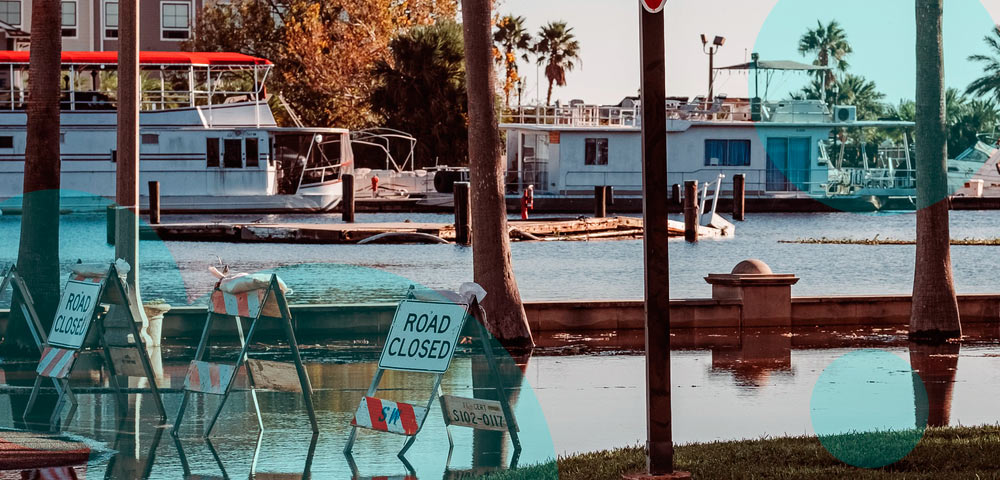
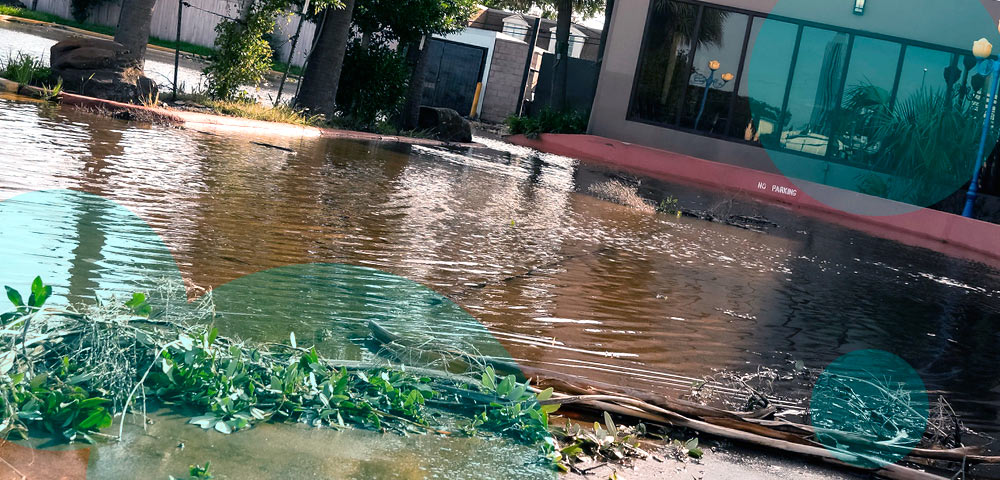
Coastal communities across the Northeast reported flooding for a second day as high water entered low-lying neighborhoods, closed roads and disrupted travel. Parts of New Jersey, including Long Beach Island, Surf City and Rumson, were among the areas affected.
Strong winds caused additional property damage across New York and New Jersey. On Long Island, gusts brought down trees and utility poles, damaged homes and left thousands of customers without electricity.
For insurers, the event presents a mix of coastal flood, inland flood, wind and tree-impact exposures across densely populated areas with high property values.
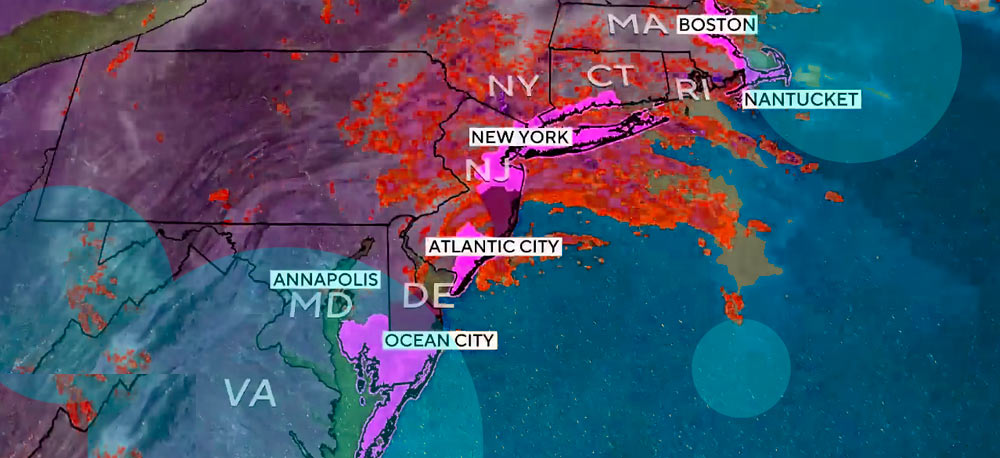
Further rain was expected across parts of the Mid-Atlantic and Northeast through night. Flood warnings and watches remained in force for sections of the New York metropolitan area, while eastern Massachusetts remained under a flood watch.
The National Weather Service said coastal flooding, strong wind gusts, rip currents and heavy rainfall would continue across parts of the region. Additional rain could worsen losses in locations already dealing with elevated water levels, saturated ground and poor drainage.
Flood exposure is one of the main concerns for insurers after repeated high-tide cycles pushed water into coastal communities. Inland flooding also remains possible where additional rainfall falls on areas with limited drainage capacity.
In the New Jersey beach town of Sea Bright, each high tide brought a new round of flooding.
The slow-moving storm, which killed a New York City Housing Authority worker when a tree fell Saturday, was expected to linger through Sunday with heavy rain, strong winds and dangerous surf all the way to New England.
Extreme amounts of rain, more than 4 inches (10 centimeters) since Friday in some spots in New Jersey, combined with a surging ocean led to flooding amounts not seen for close to a decade in places used to dealing with high water, residents said.
The National Weather Service predicted the storm will weaken over Sunday night with local heavy rain in parts of New England and the mid-Atlantic. But local officials in New Jersey and New York told residents that high tide late Monday could potentially bring more flooding.
“There is another band of the storm, a weaker band, but still another band that could hit early this afternoon and later into the evening,” said New York’s Nassau County Executive Bruce Blakeman.
The storm also creates potential claims from wind damage, falling trees, damaged roofs, utility interruptions and water intrusion. Commercial and residential properties near the coast face the highest combined exposure where wind and flooding occur together.
Earlier forecasts had pointed to rising coastal flood risk from North Carolina’s Outer Banks through New England as persistent onshore winds developed.
Rough surf, beach erosion and ocean overwash were also expected along vulnerable sections of the coast. These conditions increase potential damage to coastal homes, roads and infrastructure even where direct storm surge remains limited.
The event follows a broader pattern of severe weather claims affecting US property insurers, with flood and wind often producing different coverage outcomes for policyholders.
Standard homeowners policies generally exclude flood losses, while wind damage is usually covered subject to policy terms, deductibles and any coastal restrictions. The distinction becomes important after nor’easters because one property can sustain damage from several causes during the same event.
Commercial insurers and brokers will also be watching business interruption, access restrictions and utility outages, especially in locations where roads remain flooded or properties cannot reopen immediately.
Loss levels will depend on the duration of flooding, additional rainfall and the severity of wind damage across the Northeast. Claims activity is likely to be concentrated in coastal New Jersey, Long Island and other low-lying communities affected by repeated tidal flooding.