Homeowners insurance pricing in Oklahoma is drawing growing political, legal, and regulatory attention. Investigations, lawsuits against State Farm, and a request for a formal market competition hearing now question how rates are determined across the state.
Premiums in Oklahoma rank among the highest in the United States. The issue sits at the center of debates among regulators, lawmakers, and candidates seeking the position of insurance commissioner.
A major factor in the debate traces to a state law adopted in 1998. The statute allows insurers to implement rate increases without prior approval from the Oklahoma Insurance Department.
Regulators therefore have limited authority to challenge pricing before it takes effect.
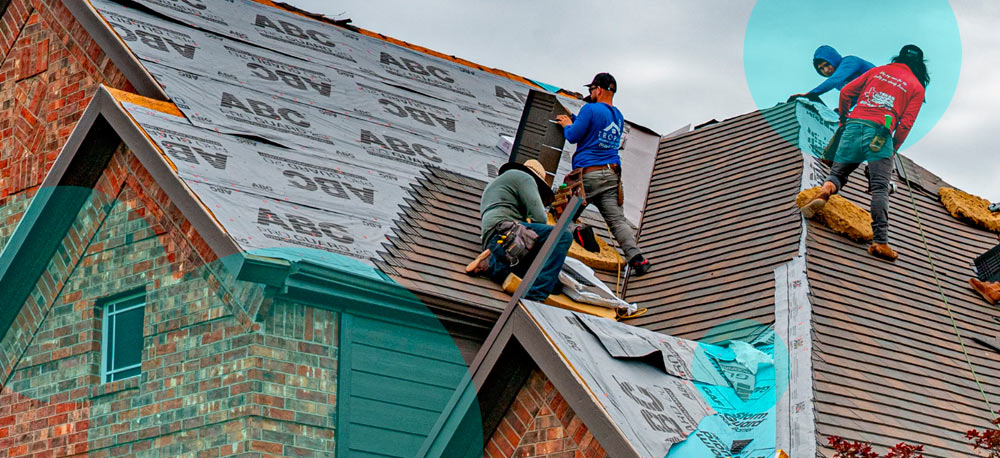
Nearly 900 lawsuits now accuse State Farm of improperly denying storm damage claims related to wind and hail. Homeowners argue that claims were rejected under a policy implemented around 2020.
Attorneys representing policyholders claim some damage was attributed to installation issues or other causes rather than storm events.
The allegations appear in court filings across multiple cases moving through Oklahoma courts.
The dispute has also reached the state’s highest court. Gentner Drummond asked to intervene in one lawsuit, arguing that the case may involve a coordinated effort to deny legitimate claims.
His filing includes allegations under the federal Racketeer Influenced and Corrupt Organizations Act. The statute is often associated with organized crime cases but is sometimes applied in corporate fraud litigation.
An Oklahoma County judge approved the attorney general’s request to intervene. State Farm appealed the ruling, sending the dispute to the Oklahoma Supreme Court, which will hear arguments on March 25.
Another issue involves access to internal company documents. A law firm in Oklahoma City previously obtained the right to review certain State Farm records during earlier hail damage litigation. Those cases later settled and the documents were returned to the insurer.
Attorneys representing homeowners now seek access to those materials again, arguing they could contain evidence relevant to the current lawsuits. The attorney general’s office says subpoena authority could accelerate the process.
Political pressure is also building around market competition.
Insurance commissioner candidate Bob Sullivan requested a formal hearing to determine whether Oklahoma’s homeowners insurance market should be classified as noncompetitive.
Under state law, such a declaration would allow regulators to take stronger actions to address excessive insurance pricing. Oklahoma has issued this type of determination only once before, in 2016.
Current insurance commissioner Glenn Mulready has up to thirty days to decide whether to grant the hearing request.
Mulready has cited hail damage as a primary driver of Oklahoma’s high insurance costs. Yet investigative reporting suggests the explanation may be incomplete.
Data comparisons show neighboring states such as Kansas and Texas experience more hail damage while maintaining lower homeowners insurance premiums.
The gap appears even wider when insurance costs are measured against household income.
Researchers also question how regulators measure market competition. Analysts say the insurance department evaluates competition using company-level statistics rather than group-level data, which can make the market appear more competitive than it may be.
The outcome of the lawsuits, the possible market competition hearing, and the Oklahoma Supreme Court ruling could reshape how insurance rates are reviewed and regulated across the state.