- European aviation fuel prices have climbed to $196 per barrel, roughly double their level at the beginning of 2026, prompting airlines to reduce unprofitable winter services.
- EasyJet is removing another 700,000 seats from its winter schedule, while Ryanair is cutting flights during periods of weaker demand, including midweek services and January departures.
- Passengers affected by cancellations have rights to refunds or alternative flights under UK and EU regulations, although airlines generally owe no additional compensation when providing at least 14 days’ notice.
European airlines are cancelling thousands of flights scheduled for winter 2026-2027 as rising aviation fuel costs make some services financially unviable, affecting tens of thousands of passengers who booked their journeys weeks or months in advance.
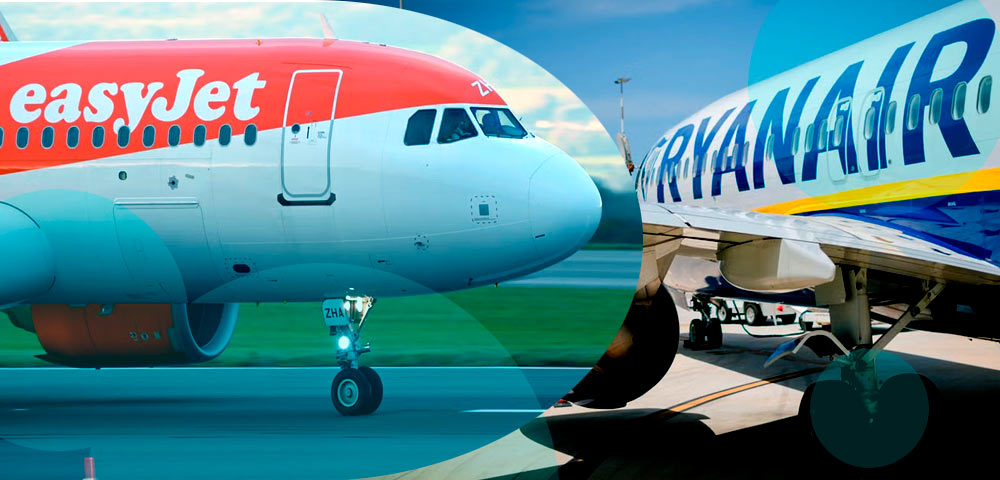
Ryanair and easyJet, Europe’s two largest low-cost airlines, are reducing capacity despite having secured fixed prices for much of their fuel requirements through hedging agreements.
According to the International Air Transport Association (IATA), European aviation fuel prices reached $196 per barrel this week, compared with less than $100 at the beginning of 2026.
The increase is creating additional financial pressure as airlines enter the winter season, when passenger demand generally weakens and operating margins become more difficult to maintain.
Both Ryanair and easyJet have protected substantial portions of their fuel purchases through hedging contracts, allowing them to buy fuel at previously agreed prices below current market levels. Yet a growing share of their requirements remains exposed to higher prices.
Ryanair Chief Executive Officer Michael O’Leary acknowledged that the airline’s protection against fuel price increases would diminish during the winter.
For services with insufficient passenger demand, operating aircraft using expensive unhedged fuel can generate greater losses than cancelling departures and transferring customers to other flights.
Airlines are consequently concentrating available capacity on services with stronger demand, reducing operating expenses and potentially supporting higher fares on remaining departures.
EasyJet has announced plans to remove another 700,000 seats from its winter schedule, according to Chief Executive Officer Kenton Jarvis. The reduction follows an earlier announcement involving a similar number of seats.
Ryanair is also cancelling substantial numbers of flights, although its approach differs from easyJet’s.
EasyJet appears to be concentrating reductions on routes offering several daily departures, allowing passengers to be transferred to other services without major changes to their travel plans.
On its London Gatwick-Amsterdam route, for example, the airline operates up to six flights in each direction. Cancelling a 3.15pm departure could allow affected passengers to travel on the 1.40pm or 6.05pm service instead.
Ryanair is targeting particular days and periods when demand is traditionally weaker, reducing capacity rather than concentrating exclusively on routes with frequent departures.
On the airline’s London Stansted-Palma route, Tuesday and Wednesday departures have been removed from the second week of November until the week before Christmas.
Other European carriers may adopt similar measures if elevated fuel prices continue to affect the economics of winter operations. Airlines are permitted to cancel flights for commercial reasons, including circumstances where operating a service would be unprofitable.
Reducing scheduled capacity is an established practice in the aviation industry, particularly during periods of weaker passenger demand or unusually high operating costs.
Earlier in 2026, major airlines had committed to maintaining their summer schedules despite concerns about possible aviation fuel shortages in March and April.
For the most part, those commitments were maintained, apart from operational disruption such as technical failures at the UK’s National Air Traffic Services (Nats), which affected several airports in September.
Winter presents different operating conditions, with lower demand making certain services more exposed to rising costs.
Airlines must nevertheless comply with passenger protection regulations when cancelling previously booked flights.
Under UK and EU Regulation 261 passenger rights rules, customers whose flights are cancelled are generally entitled to a refund or alternative transportation, subject to the applicable legal requirements.
These protections apply to passengers departing from UK or EU airports and to relevant services operated by UK or EU airlines.
Where an airline gives passengers at least 14 days’ notice of a cancellation, it generally has no obligation to pay additional cancellation compensation. That exemption does not remove the airline’s responsibility to offer passengers an appropriate replacement flight or a refund.
Passengers choosing reimbursement are entitled to receive their money within seven days. Where the cancelled journey forms part of a return booking, the refund may also cover the return journey. Those who still intend to travel can instead seek alternative flights under the applicable passenger rights provisions.
For many customers, replacement transportation will be preferable to reimbursement, particularly where hotels, onward travel arrangements or other services have already been booked.
Passengers should also consider that accepting a refund ends their entitlement to replacement transportation under the cancelled booking.
The distinction matters for travellers whose original flights were purchased well in advance, as the price of booking new tickets may have increased by the time cancellation notifications arrive.
The financial calculations behind the reductions are straightforward for airlines but potentially disruptive for passengers. Carriers can reduce exposure to expensive fuel and consolidate demand across fewer departures, while customers must adjust travel dates, accept different departure times or arrange alternative transportation.
With easyJet removing approximately 1.4 mn seats across its two announced rounds of winter capacity reductions and Ryanair cutting services during lower-demand periods, the effects are extending to passengers who booked months before the fuel price increase.
Further changes to winter schedules will depend on airlines’ remaining fuel hedging protection, market prices and passenger demand as the 2026-2027 season progresses.