Follow Beinsure
- Met Office issues amber warnings for Scotland, Northern Ireland and England
- Storm Boelo disrupts railways, airports and ferry services
- Power outages affect thousands of homes in north-west England
- Flood warnings issued across England and Wales
- Major events and visitor attractions close over safety concerns
- Communities begin clearing damage from Storm Austen and Boelo
Storm Boelo has brought damaging winds, heavy rainfall and flooding to Scotland, Northern Ireland, northern England and Wales, leaving thousands of homes without electricity and causing widespread disruption to transport and public events.
The storm struck overnight into Sunday, October 25, following Storm Austen, which brought severe weather to parts of the UK on Friday. It was the second named storm to affect the country in two days.
- Storm Boelo brought winds of up to 82mph to Scotland, while an 84mph gust was recorded in north Wales on Saturday as two consecutive storms affected the UK.
- Thousands of properties lost electricity, more than 400 people were evacuated from a Lancashire caravan park, and flooding disrupted roads, railways, airports and ferry services.
- The Met Office issued amber and yellow wind warnings, while England recorded 66 flood alerts and 10 flood warnings, alongside four flood warnings in south Wales.
The Met Office reported widespread wind gusts of 60-70mph across areas covered by an amber weather warning that came into force at 9pm on Saturday. Exposed coastal locations experienced gusts exceeding 80mph.
On Tiree, an island in Scotland’s Inner Hebrides, wind speeds reached 82mph at approximately 4am on Sunday.
Conditions were also severe in Wales, where an 84mph (135km/h) gust was recorded at Capel Curig in Conwy county on Saturday, accompanied by 2.1in (54.6mm) of rainfall.
The storms caused fallen trees, damaged vehicles, railway closures, flight cancellations and interruptions to electricity supplies. Emergency services responded to flooding and blocked roads across several regions.
Met Office issues amber warnings for Scotland, Northern Ireland and England
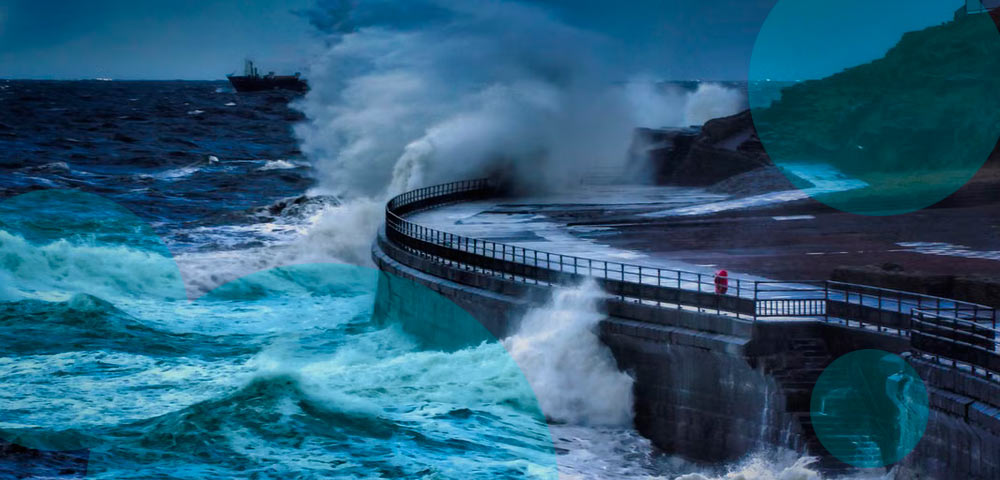
The Met Office issued an amber wind warning covering mainland Scotland, parts of Northern Ireland and the far north of England, warning of potential danger to life from flying debris and large waves.
The amber warning was accompanied by wider yellow wind warnings extending into parts of England farther south, north Wales and the whole of Northern Ireland.
Jason Kelly, chief forecaster at the Met Office, said the strongest conditions were expected across northern parts of the country.
“Storm Boelo will be felt across the UK this weekend, with the strongest winds and greatest potential for disruption in the north. Amber warnings are in place across mainland Scotland, parts of Northern Ireland and the far north of England, where gusts of 60-70mph are expected widely, with the potential for 80mph in exposed coastal locations.”
Kelly warned that other regions could experience gusts of 50-60mph, with heavy rainfall creating additional hazards, particularly in northern areas.
Residents in affected areas were advised to secure loose garden furniture and other outdoor objects, remain indoors where appropriate and avoid exposure to flying debris and dangerous coastal conditions.
Storm Boelo followed Storm Austen, which had already generated wind speeds of 76mph at St Mary’s airport in the Isles of Scilly, 74mph at Aberporth in south Wales and 71mph at Culdrose in Cornwall on Friday.
Hundreds of properties in south-west England remained without electricity after the earlier storm.
Storm Boelo disrupts railways, airports and ferry services
Rail and air transport experienced substantial disruption as strong winds, flooding and fallen trees affected infrastructure across the UK and Ireland.
Rail services were disrupted on Saturday night, with delays and cancellations expected to continue throughout Sunday.
In Lancashire, flooding blocked the railway line between Preston and Blackpool North. In Scotland, fallen trees obstructed tracks near Dumfries.
Network Rail published images showing a trampoline trapped beneath a train and a shed beside railway tracks, illustrating the risks posed by unsecured objects during severe winds.
The infrastructure operator urged residents living near railway lines to secure items in gardens to prevent them from being blown onto tracks.
Hundreds of flights were delayed or cancelled at airports including Dublin, Heathrow, Manchester, Edinburgh and Glasgow.
Transport for Wales also reported significant disruption, with replacement buses operating on several routes because of flooding and adverse weather.
A Transport for Wales spokesperson said the railway between Cardiff Central and Bridgend had been blocked, while flooding affected the line between Bridgend and Maesteg.
Ferry operations between Wales and Ireland were disrupted. Stena Line cancelled its 10am sailing from Holyhead to Dublin and warned that other departures could be delayed.
Irish Ferries cancelled two services on the same route and advised that some afternoon sailings could depart earlier than scheduled.
The Pembroke to Rosslare crossing was also cancelled, although later services were expected to operate.
Power outages affect thousands of homes in north-west England
Storm Boelo caused extensive damage across north-west England, uprooting trees, damaging vehicles and interrupting electricity supplies to tens of thousands of people.
SP Electricity North West reported that thousands of homes had been affected by power cuts caused by severe gusts. More than 500 properties in Blackpool and another 200 in Wigan were without electricity.
Emergency services also evacuated more than 400 people from a caravan park near Preston, Lancashire, as dangerous weather conditions affected the area.
Cumbria Police said officers had received numerous overnight reports of localised flooding and fallen trees obstructing roads.
Motorists were urged to drive carefully while emergency services worked to remove obstructions and restore access.
In Heysham, Lancashire, resident Lisa Roberts described how a falling tree struck her parked car, smashing its sunroof and windscreen.
Nobody was injured in the incident, although Roberts said the experience had left her in tears.
Flood warnings issued across England and Wales
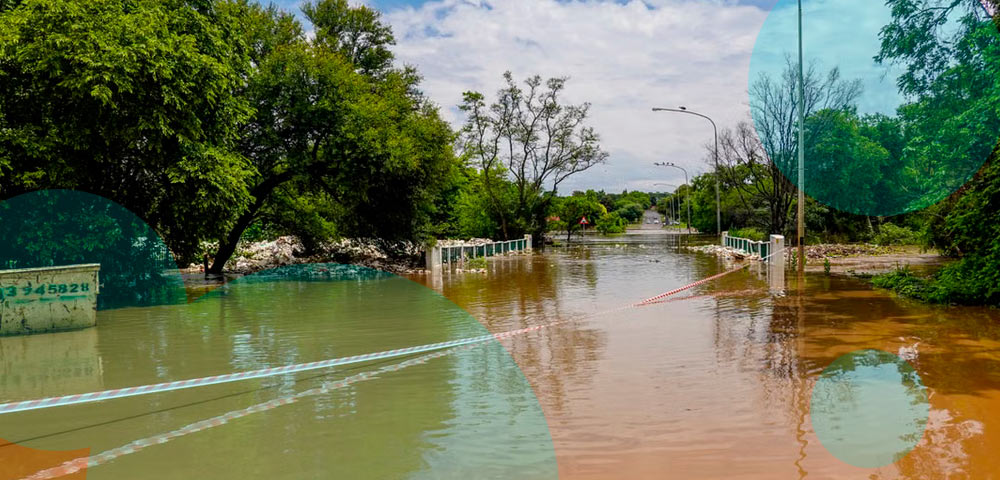
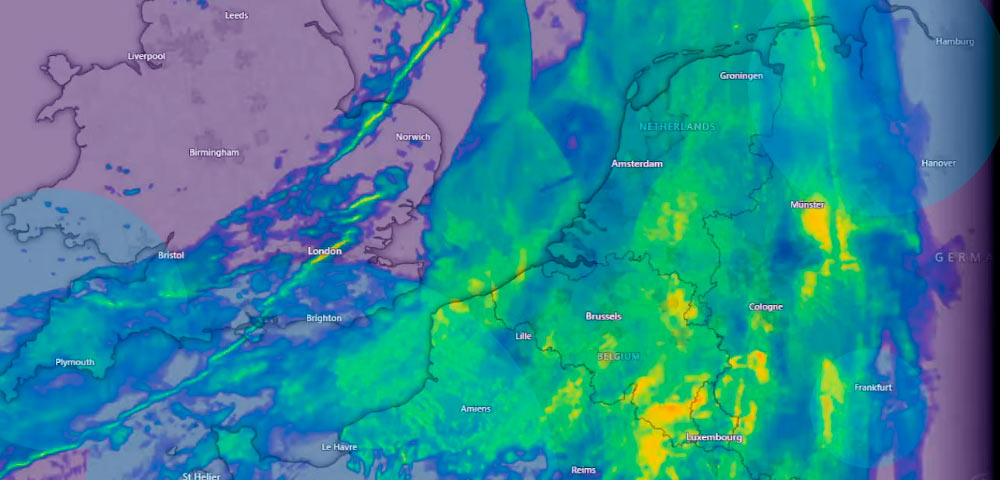
Heavy rainfall accompanying the storms increased flood risks across England and Wales.
By 7am on Sunday, the Environment Agency had issued 66 flood alerts across England, indicating that flooding was possible, together with 10 flood warnings where flooding was expected.
In Wales, four flood warnings were in place on Sunday morning.
Natural Resources Wales reported four warnings for the River Ely at 9:20am, with authorities advising residents in affected areas to move to safety if flooding threatened their homes.
“You might have to leave your home if it is safe to do so,” the agency warned.
Rainfall totals were substantial in several Welsh locations. Alongside the 54.6mm recorded at Capel Curig, Bute Park in Cardiff received 2.2in (55.2mm) of rain throughout Saturday.
Strong winds and flooding left 555 homes without electricity in Rhayader, Powys, on Sunday morning.
Approximately 100 homes across south Wales were also without power, while SP Energy reported 14 separate electricity outages across north and mid Wales.
National Grid said engineers were working to restore supplies to affected households “as quickly as possible” and apologised for the disruption.
Most of Wales was not covered by a Storm Boelo weather warning, although a yellow wind warning remained in force for parts of north Wales until 9pm GMT on Sunday.
Police forces and local authorities across Wales reported fallen trees, blocked roads and flooding. In Cardiff, trees fell across streets in Roath and on Main Road in Gwaelod-y-Garth, on the outskirts of the city.
North Wales Police warned of significant debris and fallen trees along the A470 between the Black Cat Roundabout and Llanrwst in Conwy county.
Drivers were advised to exercise particular caution along the affected stretch of road.
Coastal conditions were also hazardous. Large waves struck Porthcawl in Bridgend on Saturday, while videos circulating on social media showed vehicles attempting to pass through flooded roads during heavy rainfall.
Major events and visitor attractions close over safety concerns
The severe weather forced organisers to cancel public events and temporarily close several visitor attractions.
Visit Liverpool cancelled the city’s River of Light event, which features illuminated artworks, citing public safety concerns. The organisers said the decision had been taken “in the interests of safety”.
London’s annual Diwali on the Square celebrations, scheduled for Sunday, were also cancelled following advice from independent health and safety experts.
Edinburgh Castle closed to visitors on Sunday because of high winds and adverse weather.
In North Yorkshire, the Fountains Abbey estate also closed for the day after its Fountains by Floodlight event had been cancelled on Saturday evening.
Aintree racecourse in Merseyside abandoned its Halloween Fun Day after reporting wind gusts reaching 44mph.
While we are disappointed, the safety of our participants, visitors and teams is our number one priority. Bates pumpkin farm in Warrington, Cheshire, also closed for the day, explaining that “50mph gusts are not safe to be on the farm”.
The cancellations followed warnings that unsecured equipment, outdoor structures and exposed public spaces could become dangerous during strong winds.
Communities begin clearing damage from Storm Austen and Boelo
Recovery operations were already underway in some communities affected by Storm Austen when Storm Boelo brought further disruption.
In Llangrannog, Ceredigion, staff at the Tafell a Tân cafe praised local residents who helped clear accumulated sand following the earlier storm.
The business had been forced to close on Friday after a sandstorm affected the coastal village.
By Saturday, residents were working alongside the cafe’s staff to remove sand from the premises, with machinery also assisting the clean-up.
Elsewhere, emergency workers and utility engineers continued responding to fallen trees, flooded roads and electricity failures.
Authorities warned that further disruption remained possible while strong winds and heavy rainfall persisted, particularly across areas covered by Met Office warnings.
Rail operators, ferry companies and emergency services advised people to check travel arrangements and local safety information before setting out, as recovery efforts continued following the two consecutive storms.