Overview
Most of the Black Sea has entered the expanded high-risk area listed by the Joint War Committee. Shipowners now face longer periods under additional war risk cover, while cargo owners face higher freight and logistics costs.
The Joint War Committee expanded its Listed Area on September 16 across most of the Black Sea. Territorial waters of Turkey, Bulgaria and Romania remain outside the area within 12 nautical miles.
Inclusion in the Listed Area does not prohibit navigation. Insurers instead require separate war risk cover on affected voyages, often with an additional premium.
Pricing differs by vessel and route, Beinsure noted. Insurers also assess vessel age, insured value and cargo exposure before quoting terms.
Key highlights
- Joint War Committee expanded its Listed Area across most of the Black Sea, excluding territorial waters of Turkey, Bulgaria, Romania and Georgia.
- Large vessels sailing to Greater Odesa face estimated War Risk costs of about $25,000 per day. Around six days inside the zone would add roughly $150,000 per voyage.
- For cargo owners, the added insurance expense is estimated at about $2-3 per tonne on Greater Odesa routes. Handysize voyages face preliminary estimates closer to $0.40-0.80 per tonne.
- Danube routes face a smaller increase because war risk premiums were already charged near Sulina. The revised boundary adds roughly two days of exposure on a round trip.
- Insurers are still defining how WRAP charges apply when ships leave and later re-enter the Listed Area. Separate pricing for ballast and laden passages would produce the highest additional cost.
War insurance costs for ships sailing to the Black Sea surged, nearly doubling after two Greek-managed oil tankers were struck by unidentified drones while en route to load crude at a terminal on Russia’s coast, according to multiple industry sources.
The Black Sea remains a critical artery for global shipments of grain, crude oil, and refined products. Its waters border Bulgaria, Georgia, Romania, and Turkey, alongside Russia and Ukraine, placing commercial shipping directly amid an active conflict zone.
The latest attacks pushed insurers to reassess risk levels for vessels calling at both Ukrainian and Russian terminals. War-risk premiums for Black Sea port calls climbed to about 1% of a vessel’s insured value, up from roughly 0.6%–0.8% in late December.
War Risk expansion: estimated impact by route
| Route | Previous war risk exposure | New exposure | Estimated cost effect |
| Bosporus – Greater Odesa | Risk concentrated closer to Ukrainian waters | Exposure starts soon after leaving the Bosporus | Up to about $150,000 per voyage |
| Bosporus – Sulina | War risk previously started near Sulina | Around two extra days inside the Listed Area | Moderate freight increase expected |
| Bosporus – Constanta | Limited previous exposure | Vessel enters the Listed Area outside territorial waters | Pricing method still unclear |
| Galati – Braila related trades | No war risk charge on many voyages | Additional cover might apply during Black Sea transit | Larger relative effect possible |
| Black Sea – Georgia | Several routes previously avoided war risk pricing | Transit now crosses the expanded Listed Area | New additional premium possible |
Greater Odesa voyages face up to $150,000 in extra costs
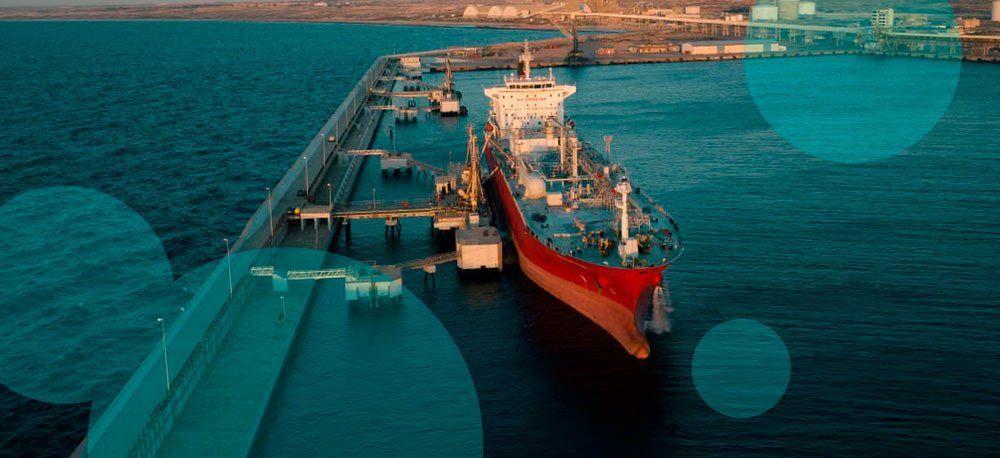
Marelis Navigation S.A. expects the expanded zone to increase insurance costs directly. For large vessels sailing to Greater Odesa ports, war risk exposure now starts soon after leaving the Bosporus.
A large vessel might spend roughly four to eight days inside the risk area. Around six days represents a typical period when the voyage includes the inbound passage, waiting time near Ukrainian ports and the outbound leg.
There is no standard premium for such voyages. Vessel age and type affect pricing, along with insured value and cargo details.
Marelis Navigation S.A. estimates additional War Risk costs at roughly $25,000 per day for a large vessel. Six days inside the zone would add around $150,000 to the voyage. On a cargo basis, the increase works out at roughly $2-3 per tonne.
According to Beinsure, Danube voyages will also spend longer inside the War Risk zone. Marelis Navigation S.A. says pricing effects there require a separate calculation.
Estimated war risk costs
| Vessel / exposure | Estimated premium | Cargo cost effect |
| Large vessel to Greater Odesa | About $25,000 per day | Around $2-3 per tonne |
| Six days in War Risk zone | About $150,000 | Around $2-3 per tonne |
| Handysize insured at $12 mn | $12,000-24,000 | $0.40-0.80 per tonne |
| Handysize with 50% NCB | $6,000-12,000 equivalent | $0.20-0.40 per tonne |
| Red Sea transit comparison | 0.20-0.30% of insured value | 0.10-0.15% after 50% NCB |
Danube freight rates face a smaller increase
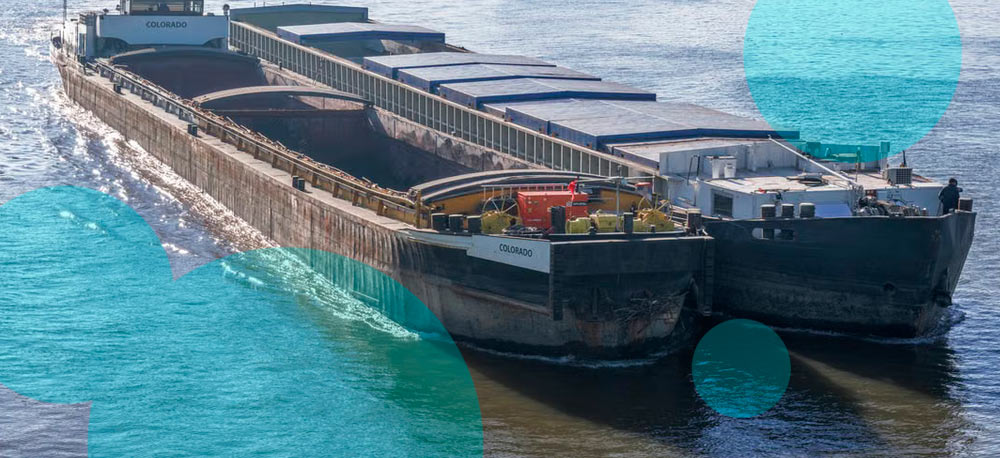
Avalon Shipping notes the Bosporus-to-Sulina section previously sat outside the war risk area. For vessels sailing to Ukrainian Danube ports, war risk exposure effectively began near Sulina.
After the Listed Area expansion, exposure starts earlier. Once a vessel moves beyond the 12-mile territorial waters after passing the Bosporus, the additional risk period begins.
For a voyage to Sulina, this adds roughly one extra day each way. The result is about two more days inside the War Risk zone.
Avalon Shipping does not expect a sharp jump in freight rates for the Ukrainian Danube. Vessels waiting off Sulina already paid war risk premiums during queueing periods.
Insurers usually charge cover for an initial period, then adjust the amount against actual time spent in the risk area.
The market might add another premium component to freight. A multi-fold increase still looks unlikely based on current operating conditions, according to Forinsurer.
Indicative premium levels
| Exposure | Indicative rate |
| Black Sea additional premium | 0.10-0.20% |
| Red Sea additional premium | 0.20-0.30% |
| Red Sea after 50% NCB | 0.10-0.15% |
The harder question concerns vessels sailing outside Ukraine while crossing the expanded Listed Area. This includes routes to Romanian and Bulgarian ports, plus voyages to Georgia.
- Ships bound for Galati or Braila previously avoided war risk charges. The new boundary creates uncertainty over whether insurers will price exposure solely around time inside the Listed Area or also consider the destination port.
- Freight on Galati-Braila routes currently runs at roughly 2.5 times below comparable Ukrainian routes. If insurers begin charging extra cover on these voyages, the economics would shift more sharply than for Ukrainian trades, according to Avalon Shipping.
Ukrainian port freight already includes a large part of the war risk cost. Romanian routes now face the prospect of a new insurance component.
Sailing within 12 miles of the coast looks awkward in practice. A vessel theoretically stays inside Turkish, Bulgarian and Romanian territorial waters for longer, reducing time inside the Listed Area. The route becomes longer, though. Operators need additional permissions for territorial waters and more paperwork.
Agency costs rise as well, alongside fuel consumption and voyage duration. Procedures in Bulgaria and Romania add more administrative work.
A coastal route could add roughly 100 nautical miles. Widespread use as a way around war risk charges therefore looks uneconomic.
Insurers are also free to interpret the revised area differently. Clear pricing requires individual positions from underwriters and maritime insurance lawyers.
Main insurance changes
| Issue | Market effect |
| Listed Area expansion | Most of the Black Sea now falls inside the higher-risk zone |
| Territorial waters | Turkey, Bulgaria, Romania and Georgia remain excluded within their territorial limits |
| Voyage notifications | More Black Sea transits now require insurer notification |
| Premium timing | Charges start earlier after vessels leave protected territorial waters |
| WRAP calculation | Insurers still need to clarify whether separate entries count as separate transits |
| Policy cancellation | Some revised terms take effect from October 1, 2026 |
| Quote validity | Some war risk quotations remain valid for only 24 hours |
| Cargo blocking cover | Cover generally cannot be withdrawn once attached |
WRAP calculation remains unresolved
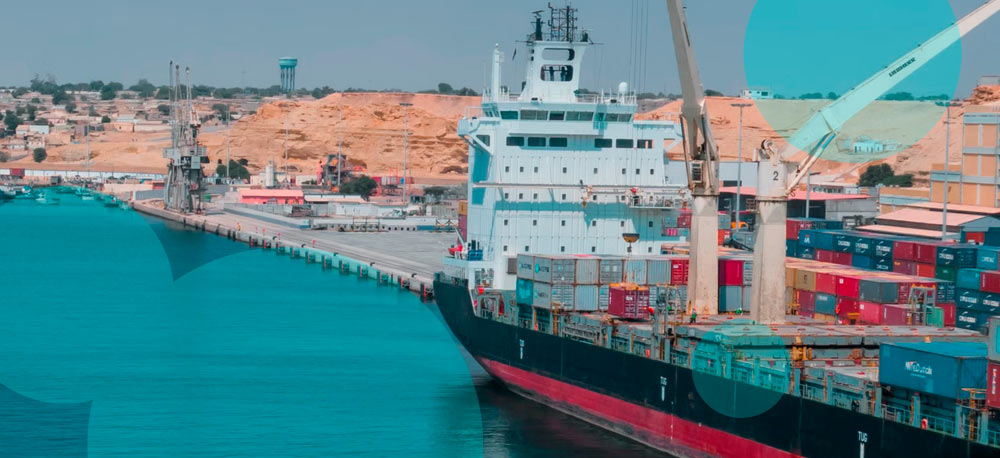
B.G. Shipping says the market is still forming rates following publication of circular JWLA-035. More reliable indications are expected this week. New pricing starts one week after the September 16 release.
Early, unconfirmed estimates place the additional premium near 0.10-0.20% of vessel insured value. For a Handysize vessel insured at roughly $12 mn, this means an extra premium of about $12,000-24,000.
On a cargo basis, the increase works out near $0.40-0.80 per tonne if the vessel spends no more than seven days inside the zone.
- With a 50% No Claims Bonus, the effective freight increase falls to roughly $0.20-0.40 per tonne. B.G. Shipping also expects some owners to consider crew bonuses for transit through the war risk area. These rates remain unconfirmed.
- For comparison, B.G. Shipping points to an additional premium of roughly 0.20-0.30% for Red Sea transit. After a 50% NCB, the rate falls to around 0.10-0.15%.
B.G. Shipping has also asked insurers how WRAP charges will work across Black Sea voyages.
One issue concerns seven-day premium quotations. A Bosporus-to-Constanta passage takes roughly one day, yet additional cover stops once the vessel reaches territorial waters.
The vessel later re-enters the Listed Area on its outbound voyage. It isn’t yet clear whether insurers will treat both legs as one exposure period or separate transits.
The cleanest pricing method would charge the vessel for actual time inside the Listed Area. Under such an approach, exposure would run from entry into the Black Sea in ballast until exit with cargo.
B.G. Shipping sees the most expensive scenario in separate treatment of every entry into the Listed Area. A shipowner would then need one cover period for the ballast passage and another for the laden voyage. In practice, this becomes a 7 + 7 day structure.
Notice periods mentioned by market participants
| Cover | Typical cancellation notice |
| Vessel war risk cover | 7 days |
| Cargo war risk cover | 48 hours |
| Cargo blocking cover | Generally non-cancellable once attached |
Oil shipping costs look set to stay elevated through the first half of 2026 as the global tanker fleet ages and Western sanctions sideline more vessels, according to shipping executives and market data. Relief may come later in the year. Not before.
Daily rates for very large crude carriers recently climbed to about $130,000, driven by strong demand from OPEC and its allies and a shrinking pool of compliant ships.
Sanctions targeting tankers linked to Iranian, Russian, and Venezuelan oil removed additional capacity from the market, traders and shipping data show.
Marine underwriters are staring at one of the most punishing runs in memory. A soft market, heavy insurance losses, and fractured trade flows are reshaping risk across global shipping, Beinsure stated (see Marine Insurance Faces Soft Cycle, War Volatility, and Shifting Global Trade).
According to Gallagher Specialty, the marine insurance sector has been rattled over the past year by armed attacks in the Red Sea and Ukraine, plus high-profile fires. Those claims touch both standard hull and war covers, with premiums running large.
Lawyers warn about cancellation dates
The revised Listed Areas now cover almost the entire Black Sea. Territorial waters of Turkey, Georgia, Bulgaria and Romania remain excluded. Before the change, notification requirements focused mainly on coastal waters around Ukraine and Russia.
Insurers now require notifications for voyages previously outside the risk area. Central Black Sea transits fall into this group.
The same applies to voyages between third-country ports and ballast passages.
Cancellation notices began appearing on September 18, two days after publication of the revised circular.
The Swedish Club issued circular No. 452/2026 with Notice of Cancellation effective from 00:01 BST on October 1, 2026. The notice covers the high-risk area list, followed by revised terms.
Other clubs and underwriters are issuing their own notices.
For shipowners and cargo interests, the issue is no longer limited to whether war cover exists. The expiry date now matters just as much.
A voyage crossing October 1 faces possible changes in price and terms during the operation, even after the vessel has sailed. Quotations issued before September 16 used the previous area boundaries, according to Interlegal. The expanded zone also changes notification requirements and trading restrictions.
Policy wording needs review as well. Breaching policy conditions might remove cover even where the breach has no direct connection with the loss.
Interlegal advises clients to request cancellation status from brokers for every placement. Hull and cargo policies often carry different notice dates, as do liability and loss-of-hire covers.
Quotes should carry issue dates and match the actual voyage dates. Many remain valid for only 24 hours. Operators also need to confirm the exact point where time inside the Listed Area starts. The boundary moved, so the premium clock moved with it.
Beinsure recommends reviewing cover which insurers aren’t entitled to withdraw after attachment.
Most parts of a war risk programme remain cancellable with notice. Vessel cover often carries seven days’ notice, while cargo cover often uses 48 hours.
Cargo blocking cover works differently. Once attached, insurers generally cannot withdraw it during the insured period, according to Interlegal.
FAQ
What changed in the Black Sea war risk area?
The Joint War Committee expanded its Listed Area on September 16 across most of the Black Sea. Territorial waters of Turkey, Bulgaria, Romania and Georgia remain outside the revised area.
Does the Listed Area expansion restrict shipping?
No. The designation does not prohibit navigation. It changes insurance requirements, including voyage notifications, additional war risk cover and extra premiums for time spent inside the listed zone.
How much extra insurance will ships to Greater Odesa pay?
Marelis Navigation S.A. estimates War Risk costs at about $25,000 per day for a large vessel. A six-day exposure period would add roughly $150,000 to the voyage, or around $2-3 per tonne of cargo.
How much will Black Sea premiums rise for Handysize vessels?
Early market estimates cited by B.G. Shipping place the additional premium near 0.10-0.20% of insured vessel value. A Handysize insured at $12 mn would face roughly $12,000-24,000 before any No Claims Bonus.
Will freight rates on Danube routes rise sharply?
Avalon Shipping expects a more limited increase. Ships using Ukrainian Danube ports already paid war risk premiums near Sulina, while the expanded area adds roughly two more days of exposure on a round trip.
Why is WRAP pricing still uncertain?
Insurers have not fully clarified whether a vessel leaving the Listed Area and entering it again counts as one continuous exposure or two separate insured transits. The second approach would require separate pricing for ballast and laden legs.
What should shipowners and cargo interests check now?
Interlegal advises checking cancellation notices, quote validity and the exact point where war risk charging begins. Voyage dates also matter because revised terms from several insurers take effect around October 1, 2026.
…………………..
AUTHORS: Oleg Parashchak – CEO & Founder of Finance Media Holding, Editor-in-Chief of Beinsure, Tetiana Mykhailova – Commercial Director of Finance Media, CFO Beinsure Media