Follow Beinsure

Oil shipping costs look set to stay elevated through the first half of 2026 as the global tanker fleet ages and Western sanctions sideline more vessels, according to shipping executives and market data. Relief may come later in the year. Not before.
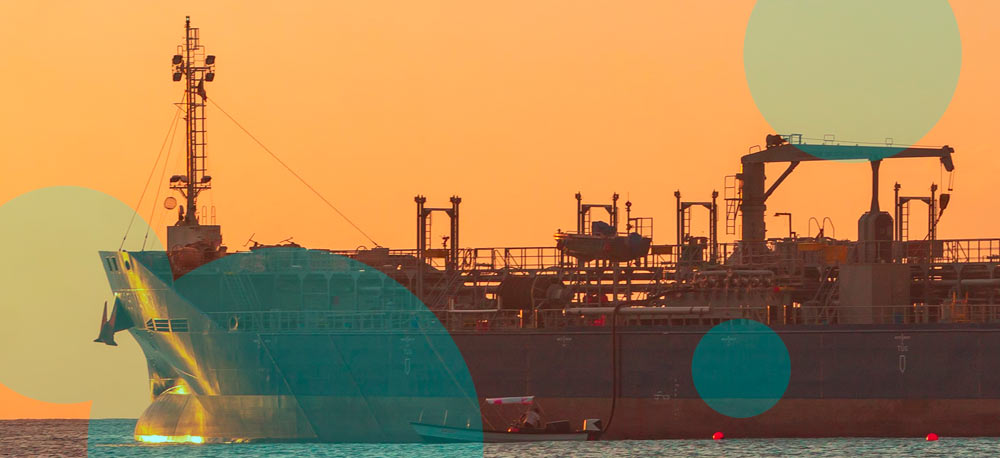
Daily rates for very large crude carriers recently climbed to about $130,000, driven by strong demand from OPEC and its allies and a shrinking pool of compliant ships.
Sanctions targeting tankers linked to Iranian, Russian, and Venezuelan oil removed additional capacity from the market, traders and shipping data show.
Jan Rindbo, chief executive of Danish operator Norden, described current conditions as a very strong market. Capacity feels tight because it is.
Geopolitics keeps adding friction. Sanctions on Russia and the effective closure of Red Sea routes after repeated Houthi attacks have forced tankers onto longer voyages. More sailing days per cargo means fewer ships available overall.
Fleet utilization for VLCCs is expected to rise to 92% next year, up from 89.5% in 2025, according to Jefferies analyst Omar Nokta.
That would mark the highest utilization rate since 2019. Idle ships are becoming rare.
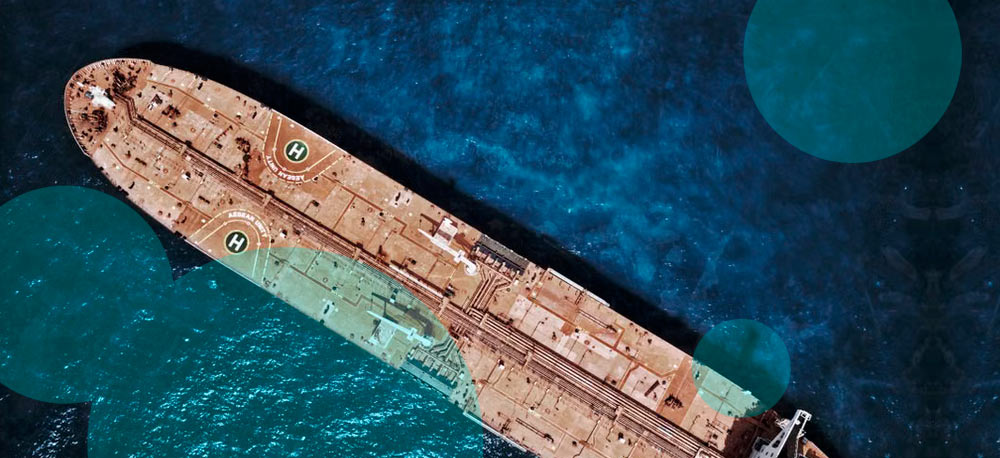
Age is another constraint. Oil majors have tightened vetting standards, which sidelines older vessels. VLCCs, capable of hauling up to 2 mn barrels per voyage, tend to fall out of favor after about 15 years as fuel efficiency drops and safety risks rise.
Nearly 44% of the global VLCC fleet now exceeds that age threshold, and about 18% of those vessels have been sanctioned, said Lars Barstad, chief executive of Frontline, last month.
The usable fleet shrinks even faster than headline numbers suggest.
New deliveries could cool the market. Shipyards are scheduled to hand over more tankers in the second half of 2026, which should cap rates, according to several shipping assessments.
Richard Matthews, head of research at ship broker Gibson, said tanker deliveries next year will reach their highest level since 2009.
Most newbuilds tilt toward refined product tankers rather than crude, but total vessel supply should improve as hulls leave shipyards and enter service.
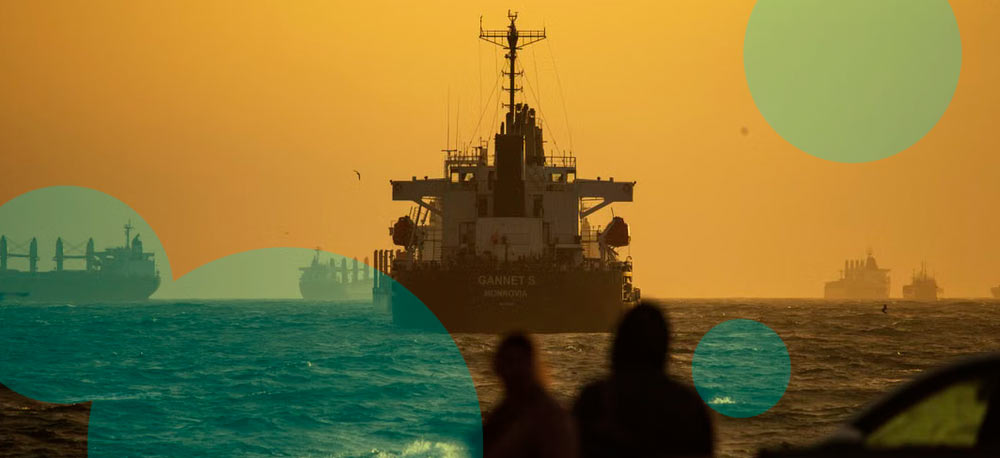
The shadow fleet complicates everything. Oil traders and shipowners continue to wrestle with a growing group of vessels operating outside Western oversight, often without standard insurance or transparent ownership. Many are old. Many are sanctioned.
Jan Dieleman, president of Cargill Ocean Transportation, said the shadow fleet has become increasingly ungoverned. He added that this outcome likely wasn’t what sanctioning governments intended.
Lloyd’s List Intelligence estimates that 1,423 tankers now move sanctioned oil tied to Russia, Iran, and Venezuela.
Of those, 921 face sanctions from the US, UK, or EU. Roughly 702 of the vessels are crude tankers, and only 148 of those avoid sanctions entirely.
Despite the EU/G7 countries’ sanctions on Russian oil, a majority of vessels carrying Russian oil and oil products are owned and/or insured in the EU and G7 countries. Before the war, Russia was incredibly reliant on Western owned or insured tankers to transport Russian oil globally.
Despite the strong set of tools to cut revenues for the Kremlin’s war chest, EU/G7 countries have allowed the proliferation of the Russian oil trade by insuring tankers transporting Russian oil, according to CREA research.
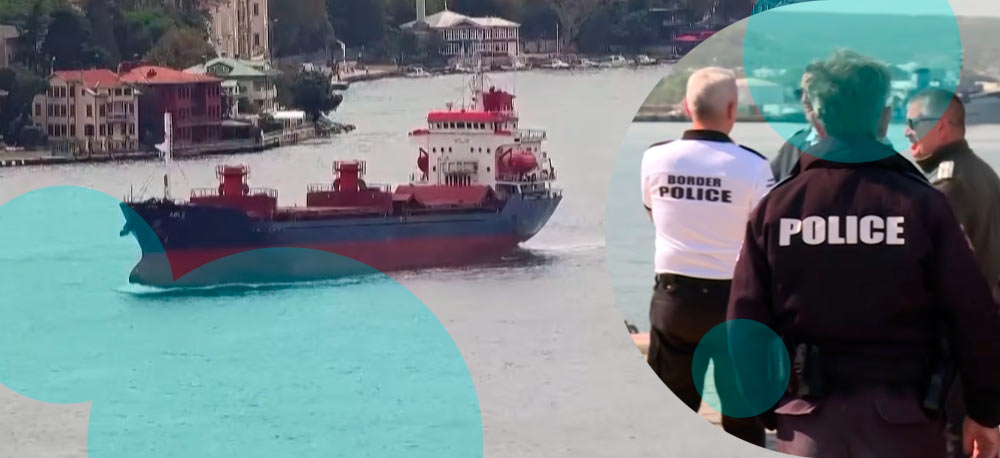
War risk premiums for Black Sea shipping ticked higher after Ukrainian naval drones struck two sanctioned tankers headed to Novorossiysk, according to Reuters.
The route is already one of the world’s most sensitive freight corridors – grain, crude and refined products all move through these waters shared by Ukraine, Russia, Turkey, Romania, Georgia and Bulgaria – and the latest attacks shook underwriters into repricing exposure almost immediately.
According to Beinsure, seven-day war risk rates for vessels calling at Ukrainian ports climbed to about 0.5% of hull value, up from roughly 0.4% a week earlier.
Insurance coverage for Russian Black Sea ports, which traditionally sits at a higher band, moved into the 0.65-0.8% range versus around 0.6% last week.
For operators already dealing with volatile freight and tight capacity, the shift adds yet another cost layer to voyages that were expensive even before the weekend.
By comparison, the non-sanctioned global crude and fuel tanker fleet numbers about 9,000 vessels. That gap explains why compliant ships command a premium.
Dieleman said tanker rates could shift quickly if conditions change, such as a reopening of Red Sea routes. Until then, according to Beinsure analysts, aging ships, sanctions, and longer voyages keep the market tight. High rates aren’t an anomaly. They’re the setup.