Follow Beinsure
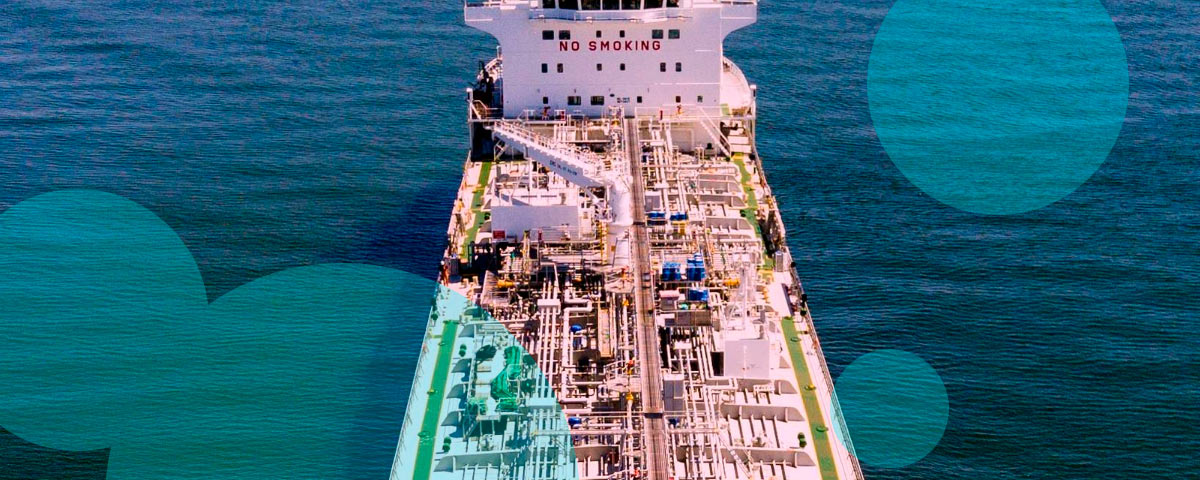
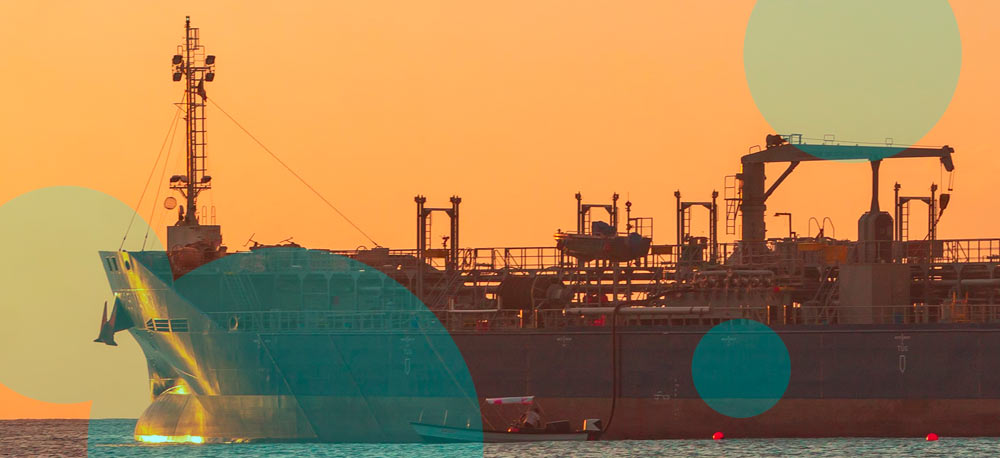
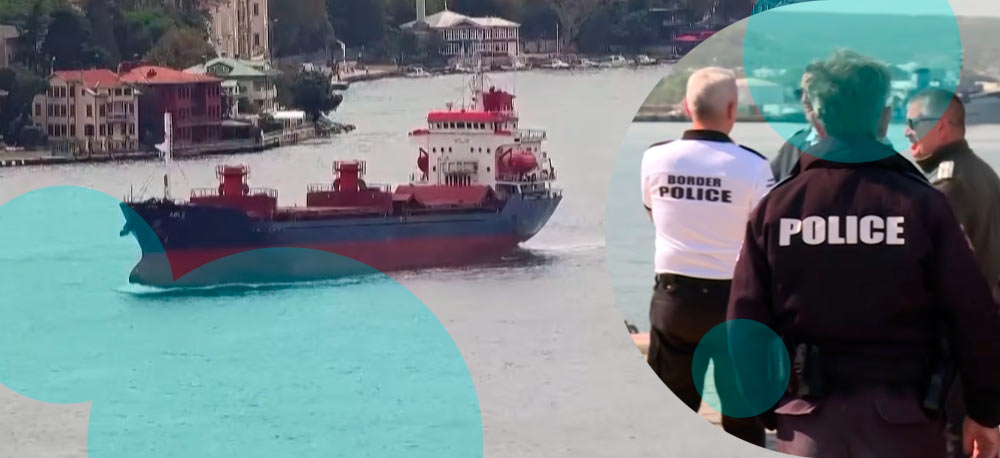
US efforts to end the war with Iran suffered another setback after a commercial vessel was apparently seized by unauthorized personnel near the United Arab Emirates, accordiong to Bloomberg. The incident added more uncertainty around control of the Strait of Hormuz, one of the world’s most important energy corridors.
The vessel’s identity was not immediately clear. UK Maritime Trade Operations said Thursday that the ship was taken 38 nautical miles off the UAE coast and was heading toward Iran.
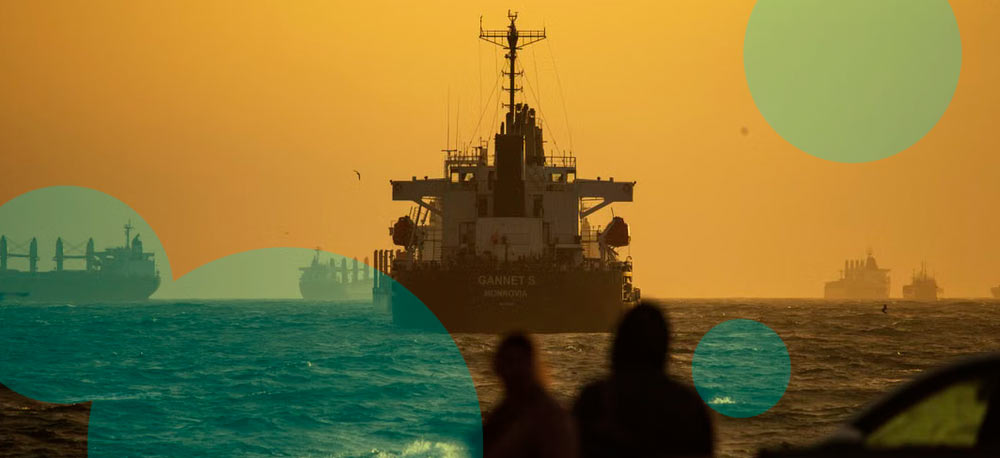
The seizure came as more vessels appeared to be moving through the strait. Hormuz usually handles about 20% of global oil and liquefied natural gas supply.
Its effective closure since the US and Israel began bombing Iran in late February has shaken energy markets. Supply shortages have spread beyond the Gulf, and prices remain under pressure.
US Secretary of State Marco Rubio urged China to press Iran to help reopen Hormuz. He said a long closure threatens economies that Beijing depends on for exports.
Washington wants Beijing to take a more active role in pushing Tehran away from its current posture in the Persian Gulf. We think that request shows how much the war has moved from a regional security issue into a global trade problem.
Rubio’s comments suggest Iran will sit high on the agenda when Trump meets Chinese President Xi Jinping over the next two days. China remains Iran’s largest oil buyer and a major diplomatic partner.
Beijing also supplies Tehran with goods ranging from consumer products to electronics. That commercial relationship gives China leverage, at least on paper.
The US sees the relationship as a possible route into talks with Iran. Washington wants Beijing’s help in reaching a settlement to end a war that has stalled since a ceasefire took effect a little more than a month ago.
Brent crude traded near $106 a barrel after dropping 2% in the previous session. Prices have risen almost 50% since the war began. The International Monetary Fund has warned that the energy shock threatens a wider slowdown in global growth.
The US-Iran ceasefire has broadly held since April 8. Trump said this week it was on massive life support, a phrase that captured the fragile state of the talks.
Vice President JD Vance, who led direct talks with Iran in Pakistan in April, said negotiations with Tehran have made progress. He told reporters Wednesday that the president has placed the administration on a diplomatic path for now, and that remains his focus.
Tehran still rejects US demands to reopen Hormuz without concessions. Iranian officials say they will reopen the strait only if Washington ends its naval blockade on Iranian ports.
Iran also wants the US to unfreeze billions of dollars in Iranian assets and lift sanctions. Those demands keep the ceasefire alive but thin, according to Beinsure analysts, because each side treats Hormuz as both a military tool and an economic bargaining chip.
Iran’s military retains serious firepower despite weeks of US-Israeli strikes. New US intelligence assessments show Iran has operational access to 30 of its 33 missile sites along the Strait of Hormuz, according to a New York Times report citing classified information.
The same assessments found Iran still holds about 70% of its prewar missile stockpile. That makes any attempt to force Hormuz open risky, especially for Gulf states within range.
Iran has used missiles and drones in retaliatory attacks against Arab states across the Gulf. The UAE has taken the heaviest damage.
The war is reshaping Middle Eastern security ties. One major shift has been closer military and intelligence cooperation between the UAE and Israel.