Lloyd’s of London will keep providing cover for vessels moving through the Strait of Hormuz, even as shipowners pull back from the area.
Patrick Tiernan, the Lloyd’s market chief executive, said demand for tanker cover through the strait is rare right now because operators are focused on safety and security.
The route carries about a fifth of global oil flows, along with gas, fertiliser and other cargo.
Traffic through the passage has almost stopped since the US and Israel launched war against Iran on February 28. Insurance still exists for ships in the region, though the risk picture has turned ugly, fast.
Maritime cover prices have jumped as Iran threatens vessels crossing the strait. People familiar with the matter said the cost of cover rose to about 5% of a ship’s value, roughly five times the level seen in the early days of the war. That kind of move gets attention. It always does.
Tiernan said maritime war risk pricing works in real time and changes quickly. Prices can spike, then fall back just as quickly.
He also said premiums in this segment usually rise sharply during crises and stay relatively low in peacetime. Marine war risk, in his view, still accounts for a small share of the wider insurance market.
In maritime war risk, there’s more real-time, dynamic pricing. You may see spikes and you may see prices drop off pretty quickly.
Patrick Tiernan, the Lloyd’s market chief executive
The Lloyd’s Market Association’s Joint War Committee said cover remained in place, though underwriters now review risks case by case based on current threat perceptions. The committee also said more than 25 attacks on commercial tonnage have taken place.
The US International Development Finance Corp. said on March 11 it is working with Chubb on a $20bn reinsurance backstop aimed at reviving shipping through the strait.
Moody’s Ratings said the plan is unlikely to break the blockade because it excludes liability cover. So the headline number looks big. The gap still matters.
Rachel Reeves, the UK’s Chancellor of the Exchequer, met Lloyd’s chair Charles Roxburgh last week to discuss maritime insurance and ways to support continued passage through the strait. The UK also signalled a willingness to use oil reserves to help ease prices.
Tiernan said public and private players both have a role here. He also made clear those discussions usually happen behind closed doors.
Fitch Ratings expects the withdrawal of hull war-risk marine insurance in the Persian Gulf to carry negative credit implications for U.S. property and casualty insurers with heavy reliance on Gulf shipping routes.
The impact for diversified global (re)insurers appears neutral because their exposure to the region remains limited.
According to Beinsure analysts, rating outcomes over the next twelve months will depend on two factors. Loss development. And how long shipping disruption lasts. Earnings volatility and capital strength will likely separate stronger insurers from weaker ones.
Specialist marine underwriters with double-digit exposure to Gulf premiums face the greatest pressure. Reduced shipping volumes could offset gains from sharply higher war-risk rates.
War-risk insurance for vessels transiting the Strait of Hormuz has surged twelvefold. Rates now reach 3% of hull value, up from roughly 0.25% before U.S. and Israeli strikes on Iranian targets on February 28 and Tehran’s missile and drone response.
The escalation came despite President Donald Trump’s pledge to keep Middle East energy flows uninterrupted. At least ten tankers have faced attacks in the Strait and nearby waters.
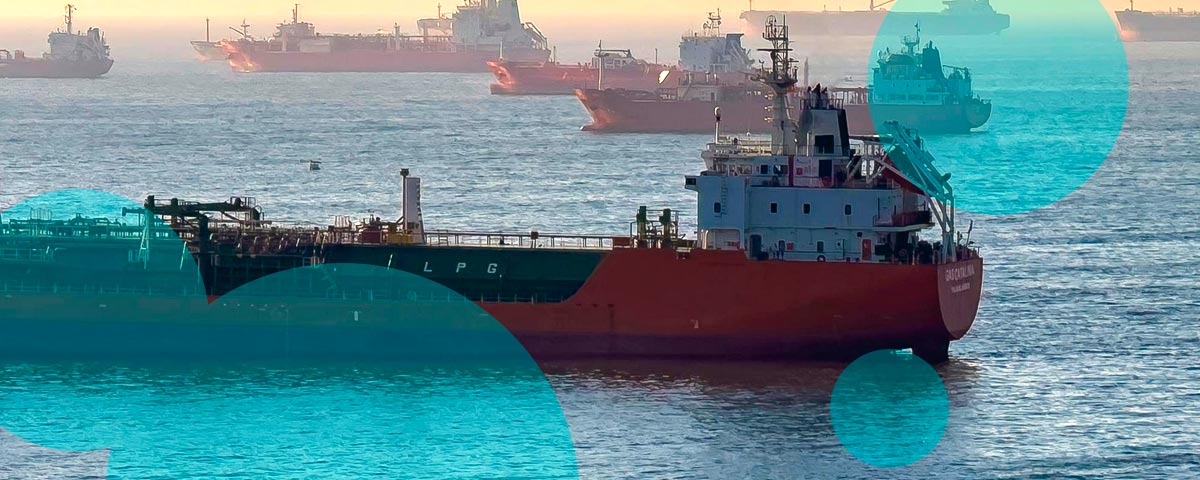
One caught fire Monday. Four more sustained damage. Around 150 vessels sit stranded, and parts of the tanker fleet remain idle or impaired.
Traffic through the Strait between Iran and Oman, a corridor moving about one-fifth of global oil consumption plus large LNG volumes, has nearly stalled. Radio warnings have advised ships to avoid the passage. Physical risk, not paperwork, drives underwriting calls.