Follow Beinsure
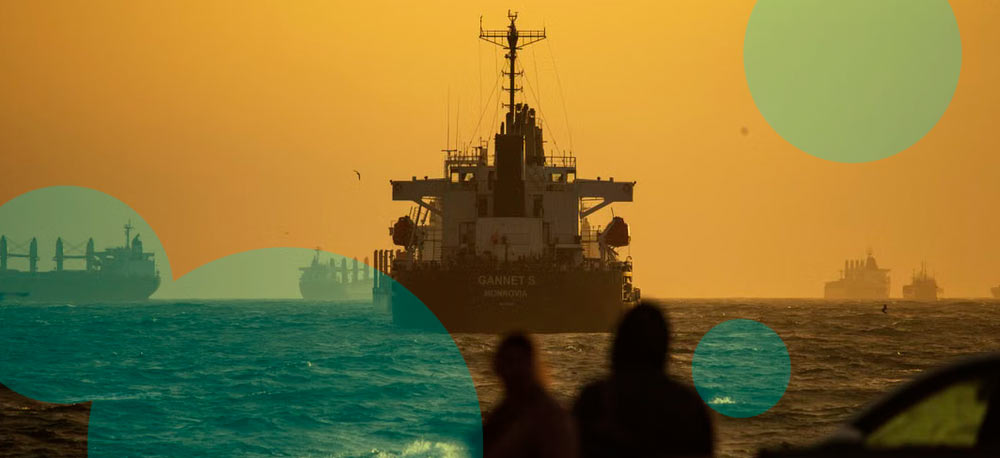
Iran has introduced mandatory insurance requirements for all vessels transiting the Strait of Hormuz, a move that maritime industry observers see as the first step toward a broader system of fees and regulatory control over shipping through the strategic waterway.
According to Lloyd’s List Intelligence, a leading provider of maritime data and vessel-tracking information, ships entering the strait must now obtain insurance cover through an Iran-approved insurance scheme administered by a newly established authority.
On June 19, Lloyd’s List reported that insurance is currently being provided free of charge during a 60-day transition period linked to a recently signed memorandum of understanding between Iran and the United States. However, industry sources expect transit charges to be introduced later.
Ships attempting to cross the Strait of Hormuz now face war risk insurance costs up to 4,000 times higher than before the crisis, as maritime traffic remains limited and highly dangerous.
Dozens of vessels have crossed the strait in recent weeks, sometimes with U.S. military guidance and helicopter escorts. Industry experts say those movements remain exceptional and do not represent a return to normal navigation.
Reports suggest between 30 and 70 vessels have passed through the strait since early May. Those ships still faced the risk of Iranian sea mines, missiles, drones, fast-attack boats, attempted boardings, and detention.
Analysts warned that escorted crossings cannot replace a free and open waterway. The Strait of Hormuz remains one of the world’s most important energy chokepoints, and partial transit does not restore full commercial confidence.
The measure is reportedly part of Iran’s effort to establish a new system for regulating vessel movements through the Strait of Hormuz after the recent conflict disrupted shipping, created restrictions in parts of the waterway and raised security concerns.
Maritime lawyers and shipping executives told Lloyd’s List that the insurance requirement raises questions about compliance with international maritime law and could effectively become a transit fee.
Shipowners and insurers are closely monitoring developments, as any additional costs or regulatory burden in the Strait of Hormuz could have material consequences for global trade and energy markets.
“Fees are likely to be introduced later,” Lloyd’s List reported, referring to industry expectations regarding the new regime.
The report came as Iran-US talks in Switzerland, scheduled for June 19, were postponed, with the timing of their resumption remaining uncertain.
An agreement reached earlier this week between Iran and the United States предусматривает reopening the Strait of Hormuz to commercial shipping and ending the US naval blockade of Iran.
Following the signing, both sides committed to reaching a final settlement within 60 days. The agreement is expected to include restrictions on Iran’s nuclear programme and the lifting of US sanctions against the Islamic Republic.
U.S. support for vessel transit is not scalable in the same way as normal open navigation. Still, the company said it can help move stranded ships or high-priority cargo through controlled passages.
US shipping insurance plan for Hormuz set to launch soon, Treasury Secretary Scott Bessent said. US insurance programme designed to support shipping through the Strait of Hormuz will begin soon, a move aimed at helping restore traffic through one of the world’s most important energy routes, according to Bloomberg.
The fragile U.S.-Iran ceasefire came under new pressure on Memorial Day after American forces carried out fresh strikes in southern Iran. The strikes took place as President Donald Trump attended a ceremony at Arlington National Cemetery honoring 13 service members killed during Operation Epic Fury.
U.S. Central Command said the strikes were defensive. Spokesman Capt. Timothy Hawkins said U.S. forces targeted missile launch sites and Iranian boats attempting to place mines.
The action occurred near Bandar Abbas, Iran’s main naval base and a central point in the standoff over the Strait of Hormuz. The passage normally carries about 20% of the world’s seaborne oil supply.
For marine insurers, the wording matters. A ceasefire that includes self-defense strikes still leaves underwriters pricing active operational risk rather than post-conflict recovery.