Follow Beinsure
Marine insurers are considering a new name for notices of cancellation, the standard documents used to end or revise war-risk insurance terms. The proposal emerged after conflict in the Persian Gulf turned an industry mechanism into a political flashpoint.
One option under discussion is denunciato recisiones, a Latin-style expression presented as a translation of notice of cancellation.
London market participants, including figures linked to the Lloyd’s market, see an obscure new label as a way to reduce public anger over a practice many outside insurance view as a withdrawal of protection.
The debate followed the escalation around the Strait of Hormuz. As military action intensified after United States and Israeli attacks on Iran, marine insurers issued cancellation notices for war-risk policies covering vessels in the Gulf and nearby waters. Shipowners then faced higher premiums, new restrictions, or negotiations over replacement cover.
For insurers, a notice of cancellation often ends the existing, lower-priced policy terms and opens a short window for reinsurers, brokers and underwriters to reprice the exposure.
A marine insurance broker described the document as more of a notice of opportunity to re-rate the risk. In practical terms, the cover may remain available, though at a materially higher cost and with new conditions.
According to Beinsure, the wording created a serious communications problem. The phrase cancellation notice sounded like insurers were leaving ships unprotected during a military crisis, even where insurers still offered revised cover for eligible voyages.
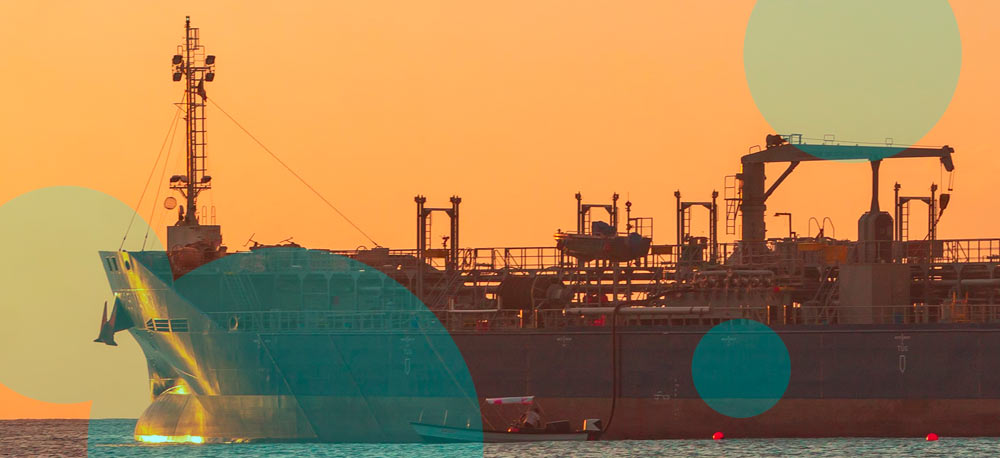
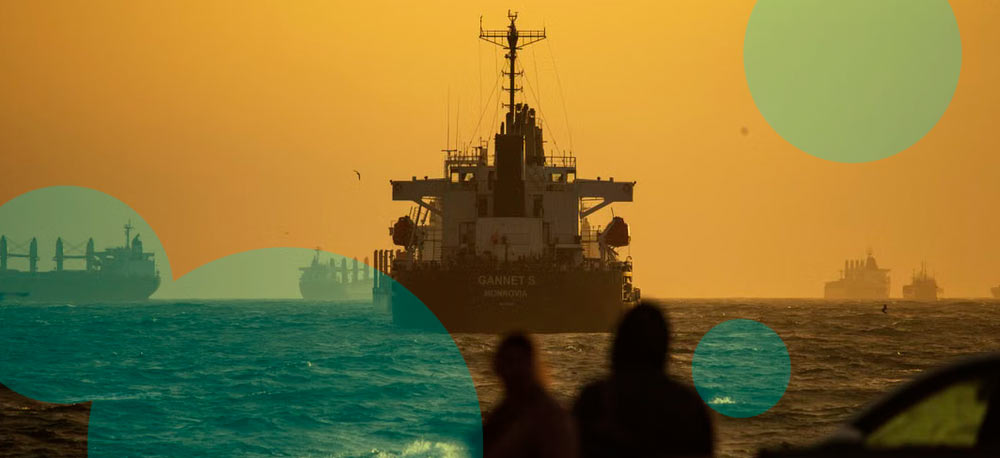
Tankers and liquefied natural gas carriers paused, diverted or waited outside the Strait of Hormuz as operators assessed security conditions and the availability of war-risk protection. Freight costs increased, while insurance prices moved sharply higher.
Before the conflict, premiums for ships crossing the Strait stood near 0.25% of vessel value. Rates later reached as much as 7.5% in some cases, according to market sources cited by the Financial Times.
The disruption carried wider economic consequences. The Strait of Hormuz is a major passage for oil, petroleum products and liquefied natural gas, so interruptions affect energy markets, vessel scheduling and cargo flows well beyond the Gulf.
Donald Trump criticised insurers over the cancellations and higher prices. His objections focused on the market impact rather than on legal language, as the policy changes added pressure to one of the world’s most sensitive maritime routes.
The United States government moved to support maritime insurance capacity through the U.S. International Development Finance Corporation. In March, DFC announced a reinsurance facility covering losses of up to $20 bn on a rolling basis for eligible shipping risks in the Gulf.
The facility initially focused on hull, machinery and cargo coverage. By April, DFC and Chubb said the wider arrangement would support up to $40 bn in rolling coverage, including $20 bn from DFC and a further $20 bn from Chubb and other partners.
According to Beinsure, the state-backed programme showed how quickly private insurance decisions can become a government concern. When war-risk terms change abruptly, shipowners may delay voyages even when cover remains technically available.
Insurers pushed back against the suggestion that the market had completely withdrawn from the Gulf. The Lloyd’s Market Association said war insurance remained available for vessels seeking to transit the Strait of Hormuz, although underwriting appetite, pricing and policy conditions differed between syndicates.
Liability cover through many Protection and Indemnity clubs remained in force, while a limited number of fixed-premium P&I covers for charterers were cancelled and then largely repriced.
For shipowners, the legal detail offers limited comfort during an active conflict. A delayed policy confirmation, a higher premium or a narrower territorial clause may still stop a voyage, postpone delivery and raise financing costs for cargo owners.
This gap between technical insurance language and public interpretation sits at the centre of the argument. Underwriters see cancellation notices as a contractual control for a fast-changing risk. Politicians, customers and the press often see the same documents as evidence that insurers are stepping away when their clients need protection most.
The proposed Latin terminology appears designed to soften that conflict. Its critics argue that a less familiar label would obscure a decision with real consequences for policyholders, ports and energy supply chains.
A change of wording would not alter the commercial mechanics. Insurers would still need to reassess war exposure, revise terms and seek additional reinsurance after attacks or threats near major shipping corridors.
The Gulf episode has placed an old market practice under new scrutiny. A cancellation notice may be routine within marine insurance, yet its consequences reach far beyond an underwriting file when the ships involved carry fuel, food and industrial cargo through the Strait of Hormuz.