Follow Beinsure
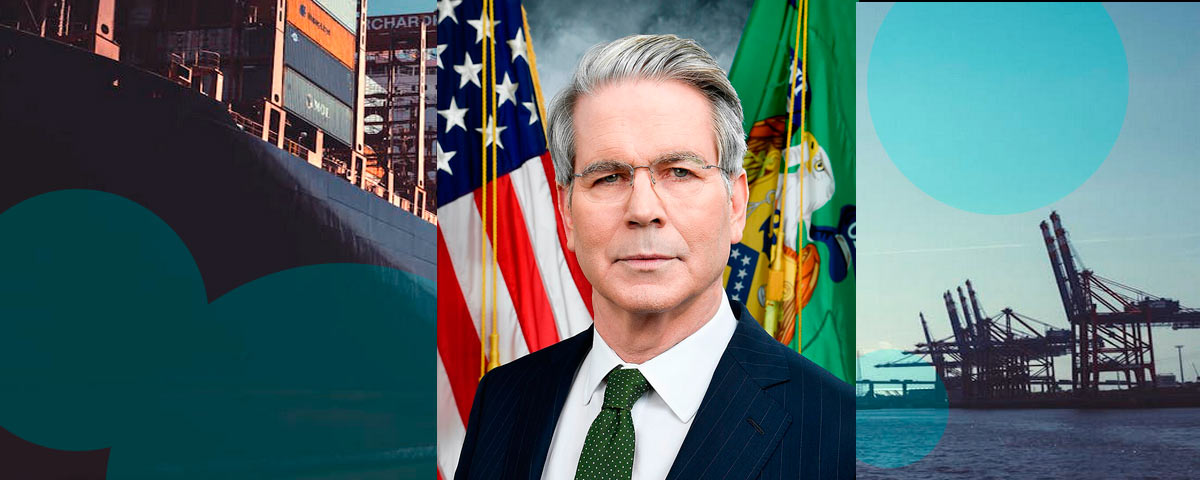
Treasury Secretary Scott Bessent said a US insurance programme designed to support shipping through the Strait of Hormuz will begin soon, a move aimed at helping restore traffic through one of the world’s most important energy routes, according to Bloomberg.
Bessent made the comment during a White House cabinet meeting led by President Donald Trump.
The plan is expected to support safer passage for oil tankers and other vessels moving through the strait, where disruptions have raised pressure across global oil and gas markets.
The programme follows Trump’s earlier announcement that DFC would provide insurance guarantees alongside naval escorts for commercial shipping in the area.
The goal is straightforward enough, reduce transit risk and help get vessels moving again.
If the programme works as intended, it could help revive flows through the Strait of Hormuz, a chokepoint carrying a large share of the world’s oil and gas supplies. In this market, even small improvements in shipping confidence can matter.
The Trump administration rolled out a $20 bn maritime reinsurance program aimed at stabilizing shipping through the Strait of Hormuz.
The plan targets hull and machinery, along with cargo risks. It does not include liability coverage. That gap raises concerns across the insurance market.
The U.S. International Development Finance Corporation announced the program on March 6. Officials framed it as a step to restore confidence in maritime trade and support allied businesses operating in the region.
On March 11, Chubb was named lead partner. The structure leans on public backing with private market execution. War-risk rates in the Strait of Hormuz climb to 3% of hull value as DFC launches $20bn reinsurance plan amid tanker strikes
Moody’s Ratings questions whether the program goes far enough.
The initiative helps but does not fully address current risk conditions. Shipowners still face exposure that insurance does not cover. That changes decision-making quickly.
Even with coverage in place and military escorts available, operators remain cautious. Serra pointed to ongoing safety concerns in the Strait.
The U.S. International Development Finance Corporation named Chubb lead partner for a $20 bn maritime reinsurance program designed to restore commercial shipping through the Persian Gulf.
The initiative targets cargoes such as oil, gasoline, LNG, jet fuel, and fertilizer moving through the Strait of Hormuz.
Officials announced the program on March 11. The structure seeks to restart shipping activity after insurers pulled capacity from the region following rising military tensions.
According to Jefferies analysts, the design attempts to contain reinsurance exposure within DFC’s statutory limits while still providing meaningful coverage support.
The initiative also introduces a security layer. Coordination will involve United States Central Command, with the U.S. Navy expected to escort tankers before the end of the month.
The framework therefore ties insurance coverage to operational protection on the water.
The DFC operates as Washington’s closest analogue to China’s Belt and Road Initiative. Its statutory maximum contingent liability now stands at $205 bn, a sharp increase from the earlier $60 bn ceiling.
Congress expanded the agency’s operational scope under fiscal year 2026 appropriations, allowing projects in higher-income countries when linked to U.S. national security priorities.