Follow Beinsure
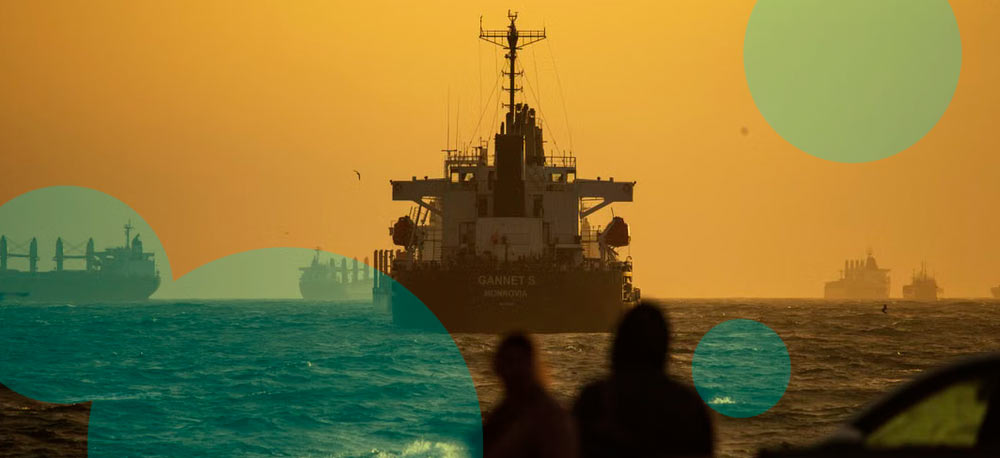
The UK will interdict and board Russian shadow fleet vessels in British waters, stepping up European pressure on Moscow over tanker shipments of sanctioned crude that help finance the Kremlin’s war in Ukraine, according to Bloomberg.
Prime Minister Keir Starmer’s office said the move is meant to hit Vladimir Putin’s revenue stream, as Russia keeps using this fleet to generate funds for military operations against Ukraine.
Starmer said Putin sees the war in the Middle East as a chance to benefit from higher oil prices and bring in more cash.
He said the UK is therefore intensifying action against the shadow fleet, both to protect Britain and to cut off profits feeding Russia’s campaign in Ukraine.
The policy raises the cost of moving Russian oil. Vessels trying to avoid interception would need to stay out of British waters, including the English Channel, which adds distance, friction, and shipping expense.
British military and law enforcement teams have been preparing for several scenarios. Those include boarding vessels that refuse to comply, ships carrying weapons, and tankers using advanced methods to avoid capture.
The announcement comes ahead of Starmer’s visit to the Joint Expeditionary Force summit in Helsinki on Thursday.
The JEF group, made up of Northern European countries, has been increasing pressure on Russia’s shadow fleet.
Royal Navy personnel have also supported JEF members including Finland, Sweden, and Estonia in tracking shadow fleet activity in recent weeks.
Russia’s war in Ukraine drove a sharp increase in the size of the shadow fleet. These vessels often operate without standard insurance, sail under questionable flags or no flag at all, and use opaque ownership structures.
More than 600 tankers have now been sanctioned by the European Union, the UK, and the US over links to Russia. Of those, the EU has blacklisted more than 570 since June 2024, more than any other authority.
Several US allies have criticised President Donald Trump over his decision this month to temporarily ease sanctions on Russia in an attempt to reduce pressure on energy prices after the Iran war.
The move raised concern among Ukraine’s partners, who fear the Kremlin could benefit from the price spike and use the extra revenue to support its fourth year of war.
Sanctions have sharply disrupted Russia’s oil exports, sidelining dozens of tankers and driving up freight and insurance costs, according to Ukraine’s Foreign Intelligence Service.
More than 79 sanctioned tankers involved in transporting Russian oil halted operations in 2025, while freight and vessel insurance costs jumped by 40-50%Oleh Luhovskyi, first deputy head of the Foreign Intelligence Service of Ukraine
Russia exports about 170 mn tonnes of oil by sea each year, accounting for over 70% of its total oil exports. India, China, and Turkey remain the main buyers, together absorbing 92% of shipments.
Over the past three years, more than 900 tankers have been used to move Russian oil, many linked to what officials describe as a shadow fleet. Sanctions have sharply increased operating costs.
Freight rates rose, but insurance coverage became a bigger constraint, complicating logistics and raising risks for exporters.
Oil shipping costs look set to stay elevated through the first half of 2026 as the global tanker fleet ages and Western sanctions sideline more vessels, according to shipping executives and market data.
Despite the EU/G7 countries’ sanctions on Russian oil, a majority of vessels carrying Russian oil and oil products are owned and/or insured in the EU and G7 countries. Before the war, Russia was incredibly reliant on Western owned or insured tankers to transport Russian oil globally.
Oil shipping costs look set to stay elevated through the first half of 2026 as the global tanker fleet ages and Western sanctions sideline more vessels, according to shipping executives and market data. Relief may come later in the year. Not before.
Daily rates for very large crude carriers recently climbed to about $130,000, driven by strong demand from OPEC and its allies and a shrinking pool of compliant ships.
Sanctions targeting tankers linked to Iranian, Russian, and Venezuelan oil removed additional capacity from the market, traders and shipping data show.
Jan Rindbo, chief executive of Danish operator Norden, described current conditions as a very strong market. Capacity feels tight because it is.
Geopolitics keeps adding friction. Sanctions on Russia and the effective closure of Red Sea routes after repeated Houthi attacks have forced tankers onto longer voyages. More sailing days per cargo means fewer ships available overall.