Follow Beinsure
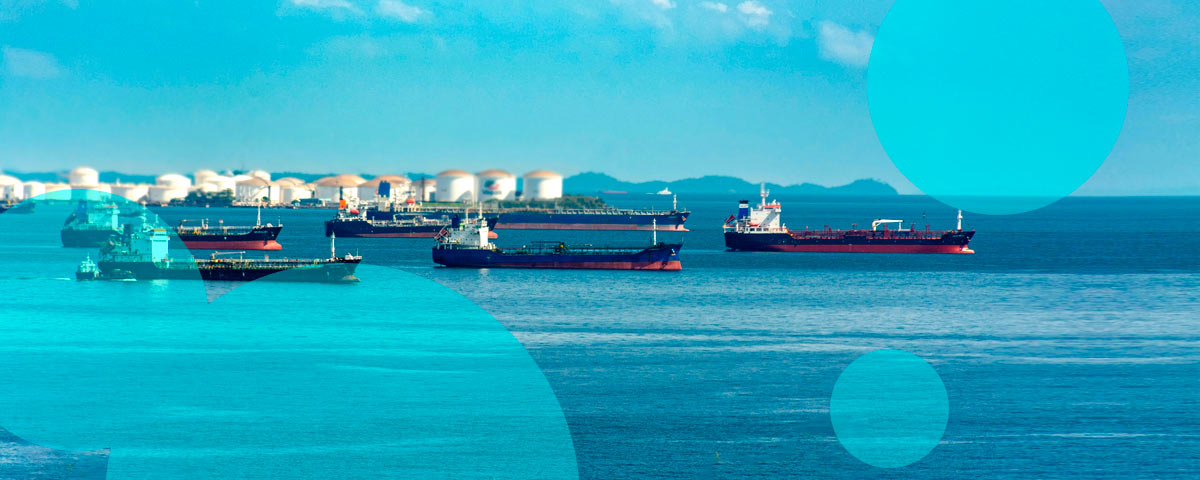
Sanctions have sharply disrupted Russia’s oil exports, sidelining dozens of tankers and driving up freight and insurance costs, according to Ukraine’s Foreign Intelligence Service.
More than 79 sanctioned tankers involved in transporting Russian oil halted operations in 2025, while freight and vessel insurance costs jumped by 40-50%
Oleh Luhovskyi, first deputy head of the Foreign Intelligence Service of Ukraine
Russia exports about 170 mn tonnes of oil by sea each year, accounting for over 70% of its total oil exports. India, China, and Turkey remain the main buyers, together absorbing 92% of shipments.
Over the past three years, more than 900 tankers have been used to move Russian oil, many linked to what officials describe as a shadow fleet. Sanctions have sharply increased operating costs.
Freight rates rose, but insurance coverage became a bigger constraint, complicating logistics and raising risks for exporters.
Oil shipping costs look set to stay elevated through the first half of 2026 as the global tanker fleet ages and Western sanctions sideline more vessels, according to shipping executives and market data.
Despite the EU/G7 countries’ sanctions on Russian oil, a majority of vessels carrying Russian oil and oil products are owned and/or insured in the EU and G7 countries. Before the war, Russia was incredibly reliant on Western owned or insured tankers to transport Russian oil globally.
Despite the strong set of tools to cut revenues for the Kremlin’s war chest, EU/G7 countries have allowed the proliferation of the Russian oil trade by insuring tankers transporting Russian oil, according to CREA research.
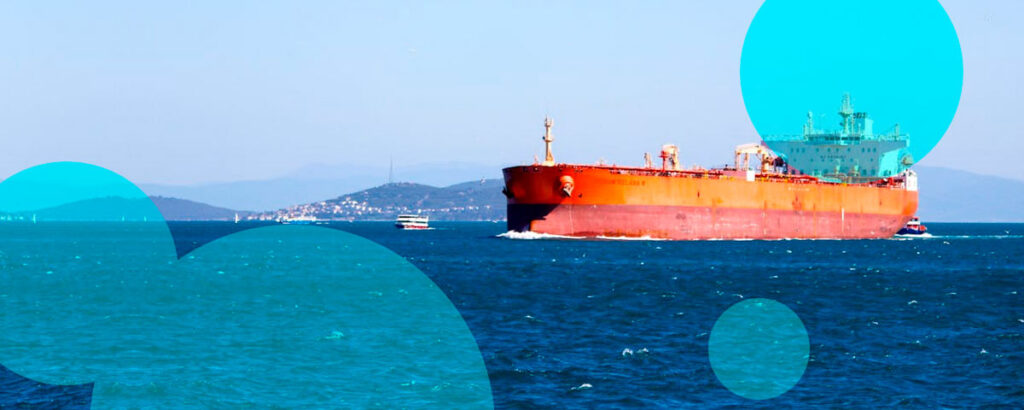
Sanctions targeting tankers linked to Iranian, Russian, and Venezuelan oil removed additional capacity from the market, traders and shipping data show.
Daily rates for very large crude carriers recently climbed to about $130,000, driven by strong demand from OPEC and its allies and a shrinking pool of compliant ships.
Buyers have also tightened terms. Luhovskyi said Russia now sells oil at discounts exceeding 25% to the Brent benchmark. The impact shows up quickly in foreign currency inflows, tax receipts, and investment, especially in upstream production.
Nearly 44% of the global VLCC fleet now exceeds that age threshold, and about 18% of those vessels have been sanctioned, said Lars Barstad, chief executive of Frontline, last month.
The usable fleet shrinks even faster than headline numbers suggest.
New deliveries could cool the market. Shipyards are scheduled to hand over more tankers in the second half of 2026, which should cap rates, according to several shipping assessments.
Richard Matthews, head of research at ship broker Gibson, said tanker deliveries next year will reach their highest level since 2009.
Most newbuilds tilt toward refined product tankers rather than crude, but total vessel supply should improve as hulls leave shipyards and enter service.
The shadow fleet complicates everything. Oil traders and shipowners continue to wrestle with a growing group of vessels operating outside Western oversight, often without standard insurance or transparent ownership.
The shipping market faces a vessel shortage. As previously reported by Bloomberg, many shipowners avoid Russian cargoes due to sanctions exposure.
Still, surging freight rates pulled some operators back. By late December, the cost of shipping Urals crude from Primorsk to India’s west coast exceeded $60 per tonne, compared with roughly $25 a year earlier.
Ukraine’s intelligence service said the cumulative effect of sanctions continues to erode Russia’s export capacity and weaken the financial base of its oil sector.