Follow Beinsure
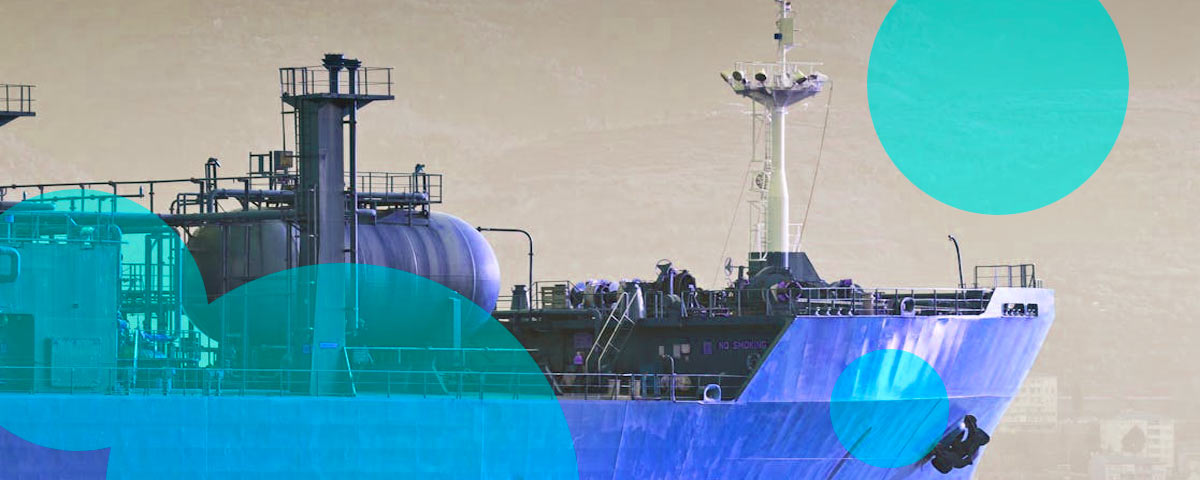
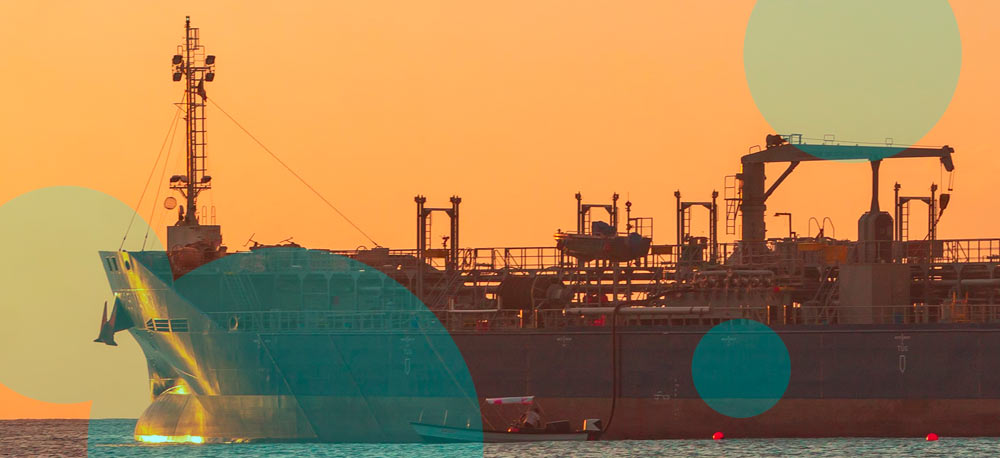
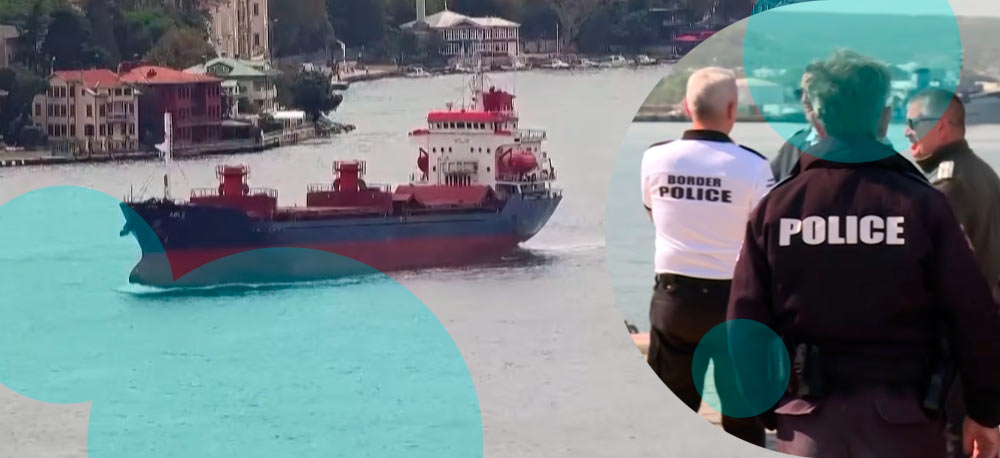
A Russia-bound oil tanker reported a drone attack in the Black Sea and diverted after requesting help from Turkish coastguard authorities, according to a notice from Lloyd’s List Intelligence.
The Palau-flagged vessel Elbus encountered an unmanned marine vehicle and drone attack on Wednesday. The strike targeted the engine room.
No injuries were reported among the 25 crew members, and no pollution was detected.
A maritime security source described the incident as a drone attack based on its assessment. Responsibility remains unclear. No group or state has claimed involvement, and attribution stayed unresolved.
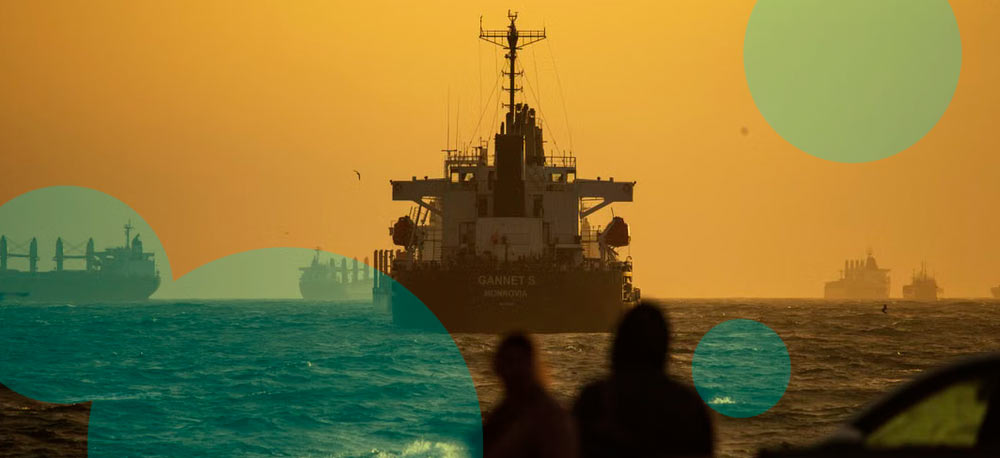
The incident comes after shipping insurance rates climbed in late November, following Ukrainian naval drone strikes on two Russia-bound tankers in the Black Sea.
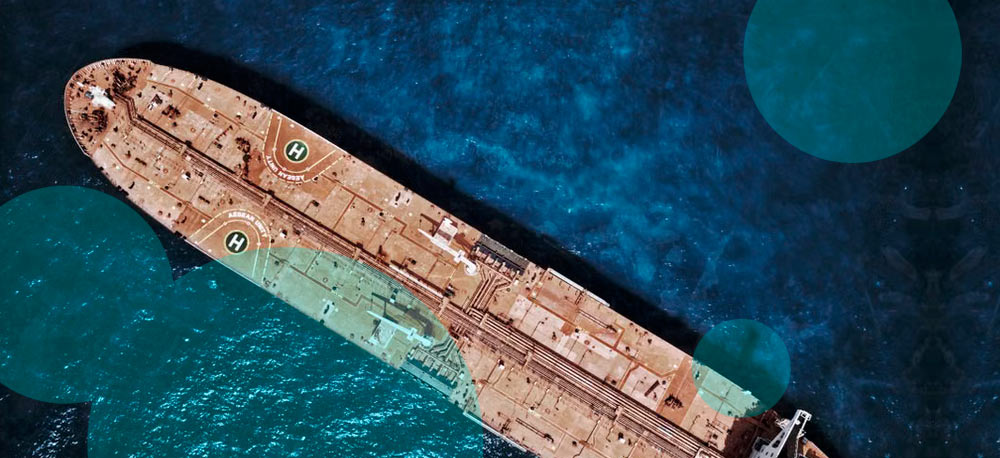
Oil shipping costs look set to stay elevated through the first half of 2026 as the global tanker fleet ages and Western sanctions sideline more vessels, according to shipping executives and market data. Relief may come later in the year. Not before.
Daily rates for very large crude carriers recently climbed to about $130,000, driven by strong demand from OPEC and its allies and a shrinking pool of compliant ships.
Sanctions targeting tankers linked to Iranian, Russian, and Venezuelan oil removed additional capacity from the market, traders and shipping data show.
Those attacks triggered threats of retaliation from Moscow and public calls for restraint from Ankara. In early December, another Russian-flagged vessel reported an attack in the same waters, an incident Ukraine denied taking part in.
The Security Service of Ukraine did not respond to questions about the Elbus incident. Turkey’s transport ministry and the Russian embassy in Ankara were also unavailable for comment.
The Black Sea handles critical flows of grain, oil, and refined products. Its waters border Turkey, Russia, Ukraine, Bulgaria, Georgia, and Romania, which keeps any disruption politically charged and commercially sensitive.
According to the Lloyd’s notice, the Elbus was sailing from Singapore to the Russian port of Novorossiysk. After the attack, it altered course.
Marinetraffic data showed the vessel anchored a few kilometers off the northern Turkish port of Inebolu, having turned away from its earlier eastbound route.
Lloyd’s said the ship dropped anchor at the Inebolu anchorage under its own power.
Nearly 44% of the global VLCC fleet now exceeds that age threshold, and about 18% of those vessels have been sanctioned, said Lars Barstad, chief executive of Frontline, last month.
The usable fleet shrinks even faster than headline numbers suggest.
New deliveries could cool the market. Shipyards are scheduled to hand over more tankers in the second half of 2026, which should cap rates, according to several shipping assessments.